Wildlife and Geography
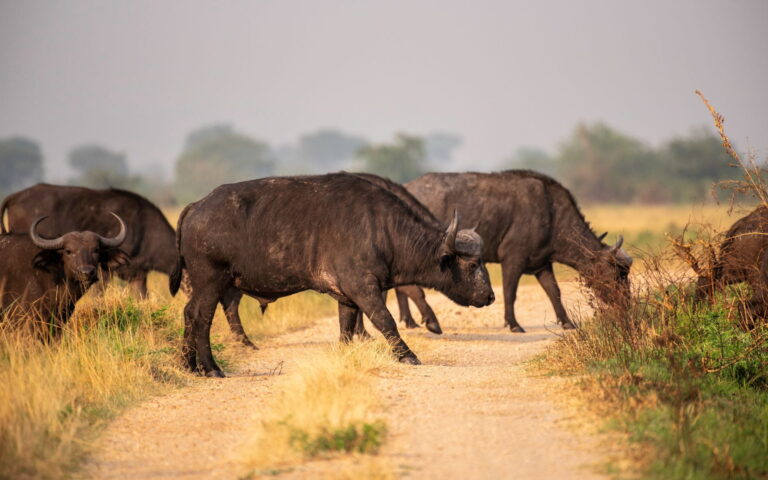
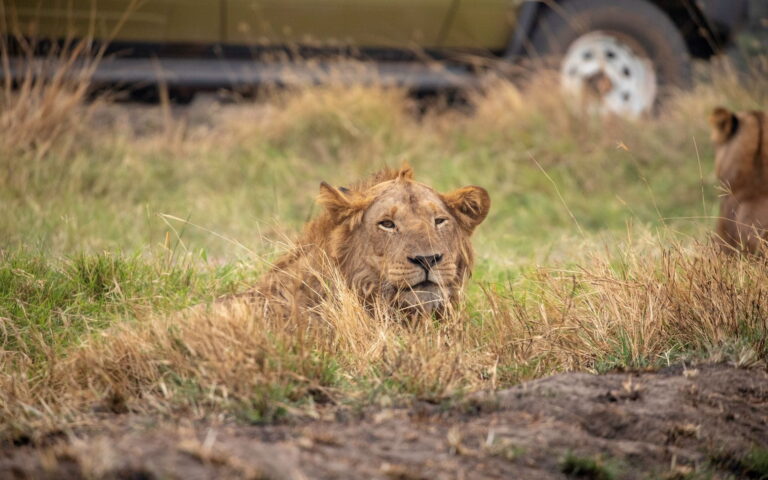
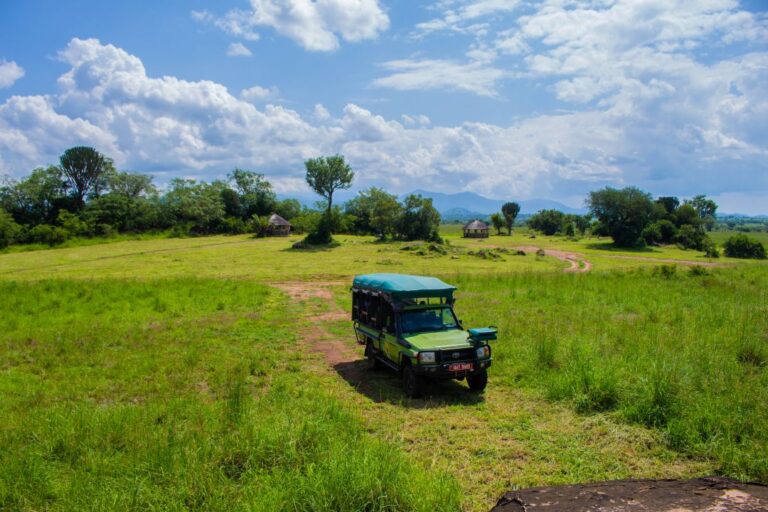
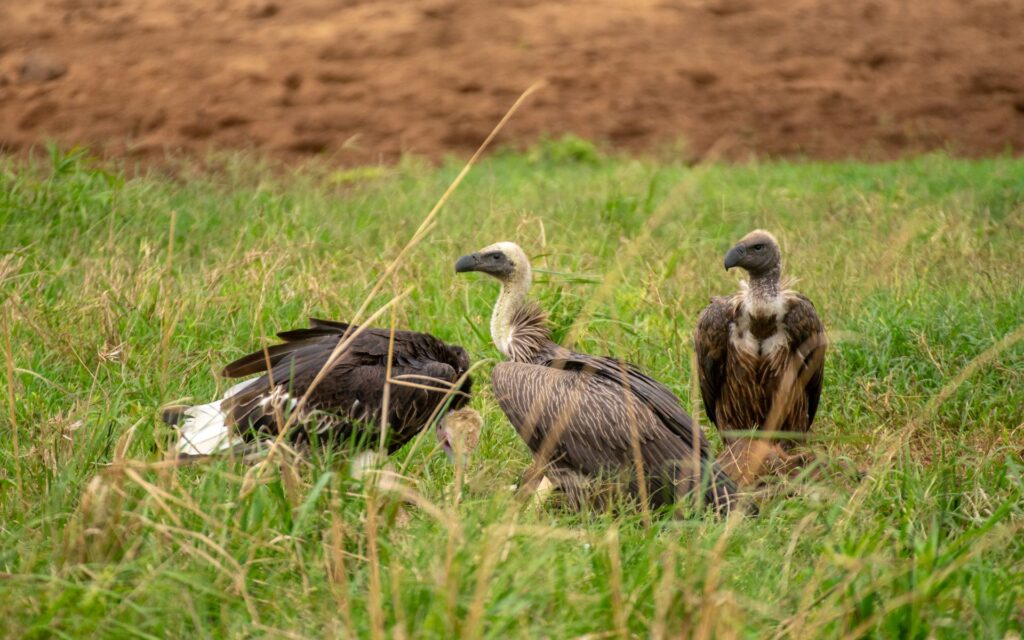
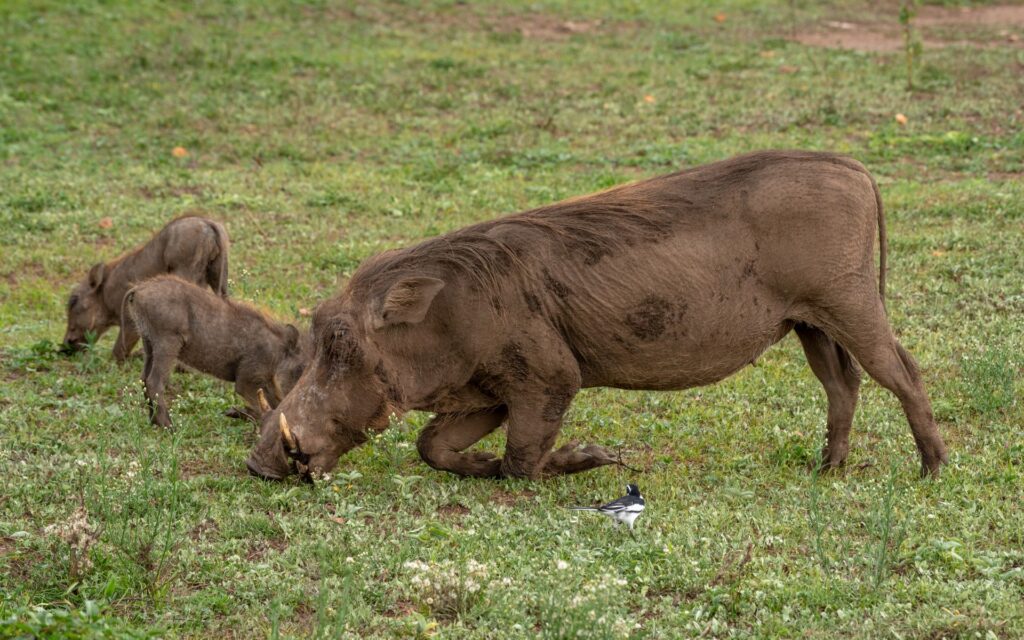
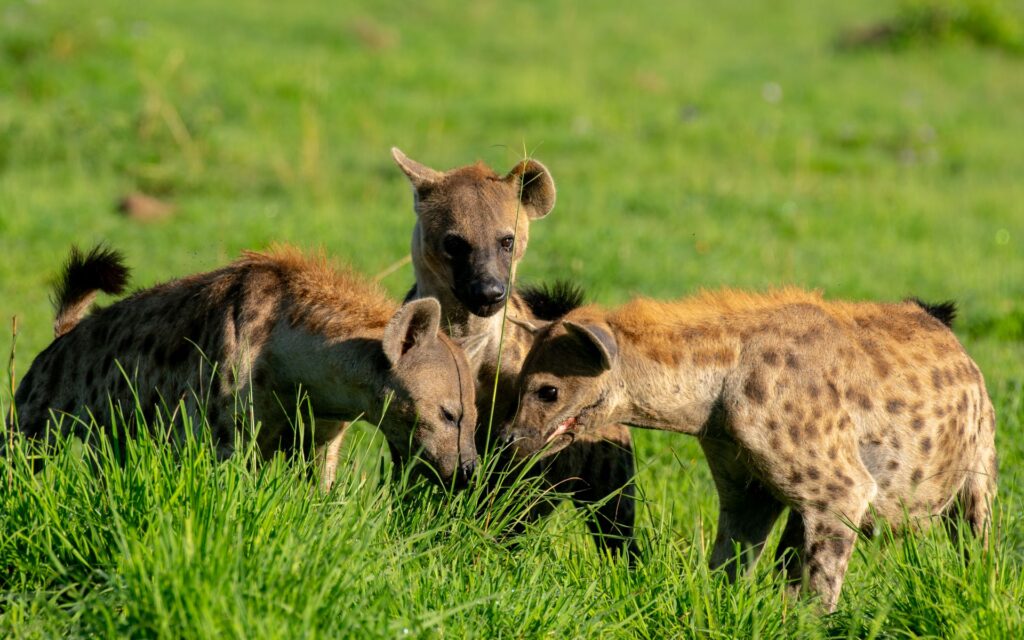
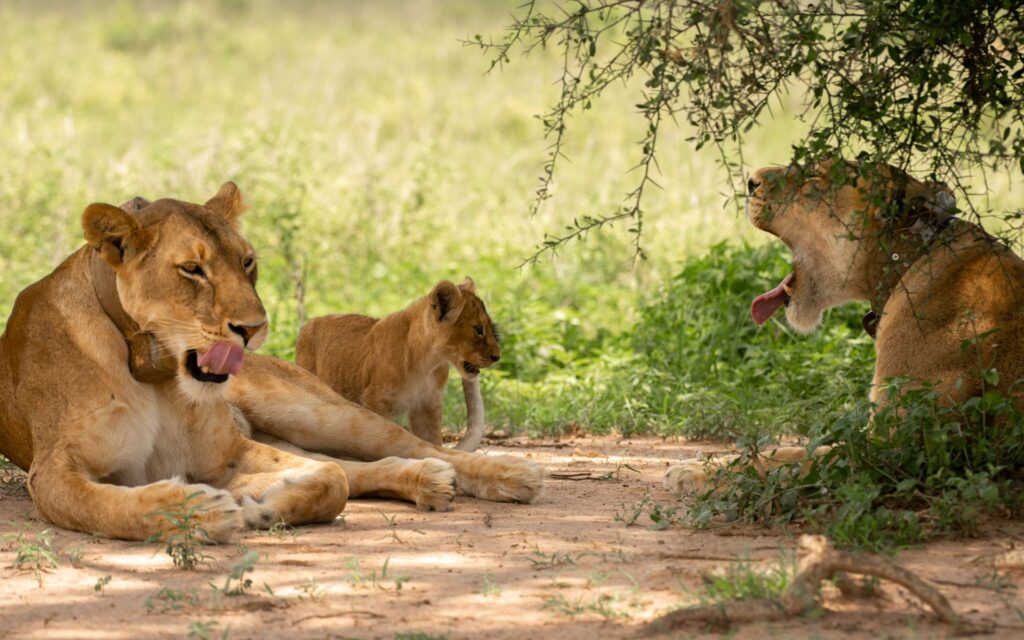
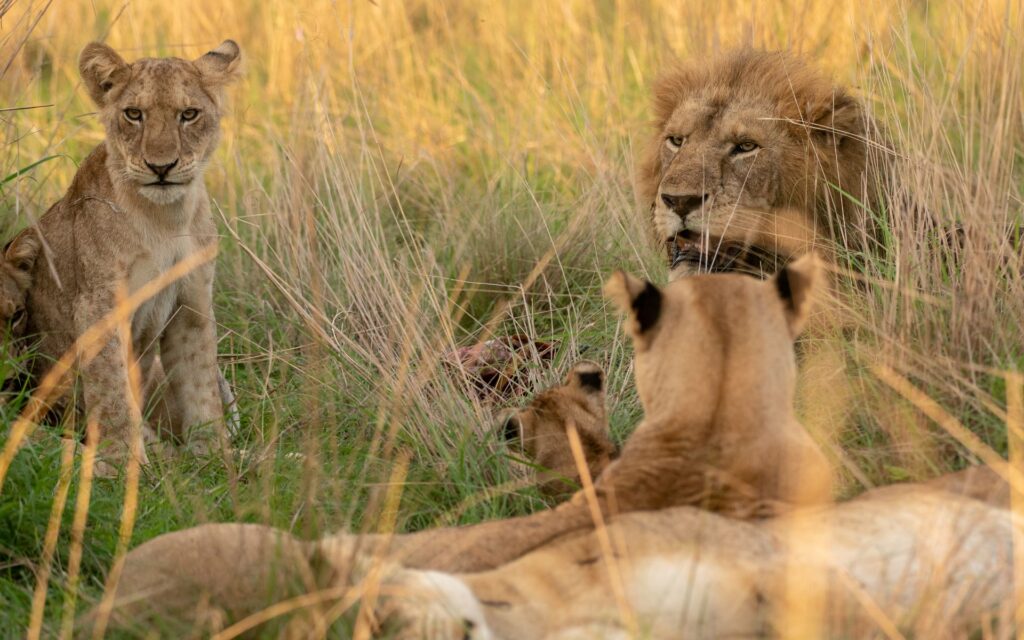
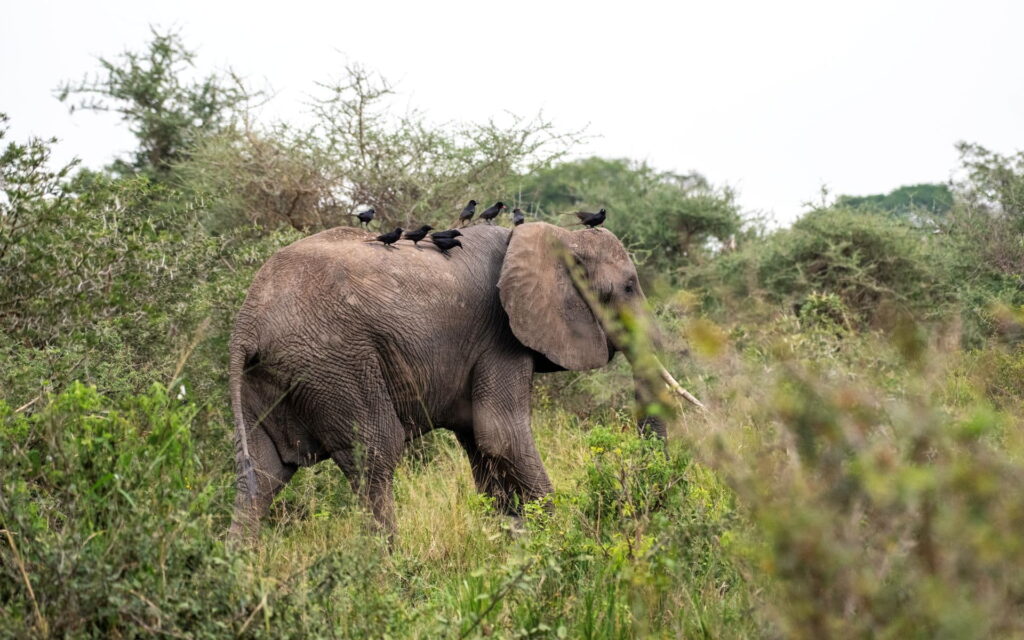
Kenya stands as one of Africa’s most celebrated safari destinations, renowned for its extraordinary wildlife and breathtaking landscapes. Besides, the country hosts the legendary Big Five—lion, elephant, leopard, Cape buffalo, and rhino—which roam freely across its numerous national parks and reserves.
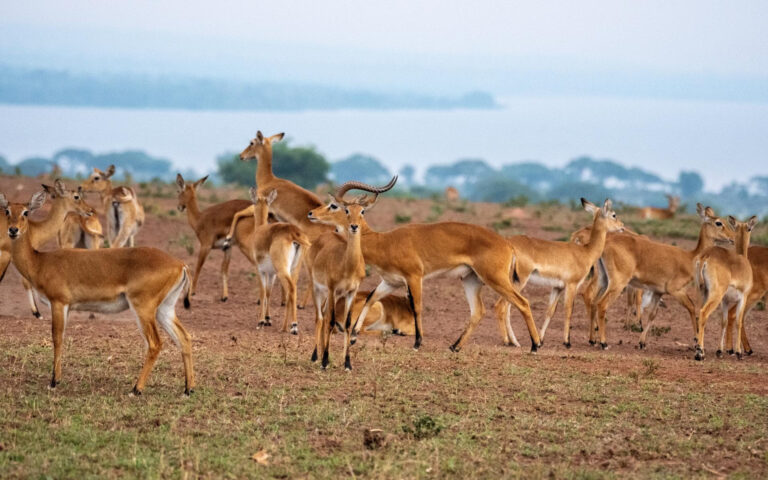
The Maasai Mara National Reserve represents Kenya’s crown jewel, famous worldwide for the Great Wildebeest Migration. Between July and October, millions of wildebeest, zebras, and gazelles undertake their perilous river crossings, creating one of nature’s most spectacular wildlife events that captivates photographers and nature enthusiasts globally.
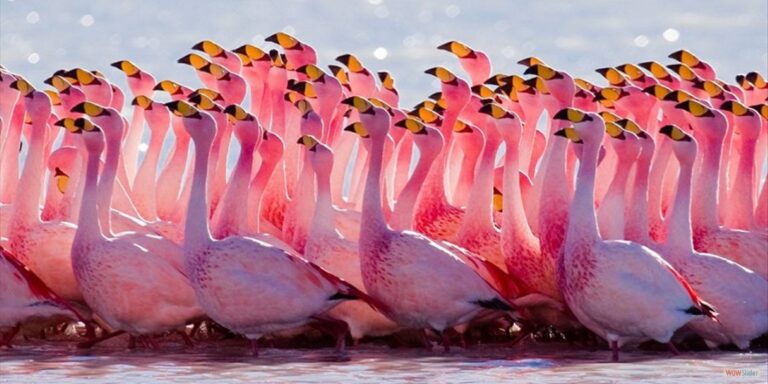
The Great Rift Valley, a massive geological fault line, carves through Kenya’s heart, creating dramatic landscapes and numerous lakes. Lake Nakuru dazzles visitors with enormous flocks of pink flamingos lining its shores, while the valley’s high-altitude regions have become legendary training grounds for Kenya’s world-class long-distance runners.
Mount Kenya, Africa’s second-highest mountain and a UNESCO World Heritage site, rises majestically with permanent glaciers near its peak. From Amboseli National Park, visitors enjoy spectacular views of Mount Kilimanjaro across the Tanzanian border.
Kenya’s Indian Ocean coastline stretches for hundreds of kilometers, featuring pristine white-sand beaches, vibrant coral reefs, and historic Swahili port cities where Arab, Portuguese, and indigenous African cultures have blended for centuries, creating a unique coastal heritage.
Major Cities
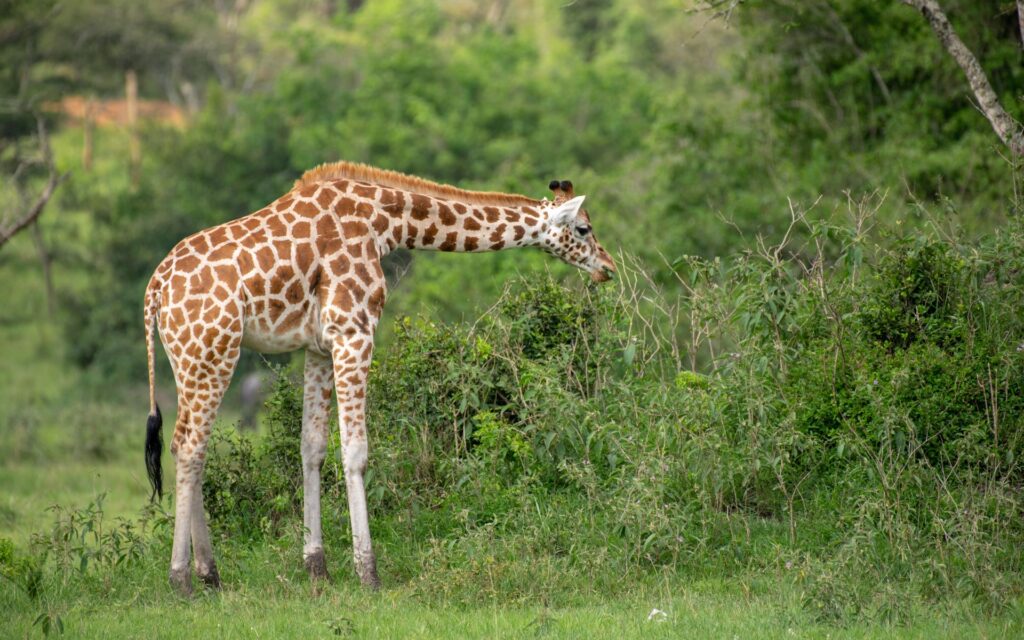
Nairobi, Kenya’s capital and largest city, is often called the “Safari Capital of the World.” What makes Nairobi truly unique is that it is home to Nairobi National Park, a major game reserve located right within the city limits. However, this remarkable feature allows visitors to observe lions, giraffes, and other wildlife against the backdrop of modern skyscrapers, creating an extraordinary juxtaposition of urban development and wild nature. Above all, as East Africa’s most cosmopolitan city, Nairobi serves as a regional hub for business, diplomacy, and culture.
Mombasa, the country’s second-largest city and principal port, has a rich history spanning centuries as a center of maritime trade. Above all, Visitors know the city for its beautiful beaches, diverse cultural heritage, and Fort Jesus, a UNESCO World Heritage site built by the Portuguese in the sixteenth century. However, today, Mombasa remains vital to Kenya’s economy as the main gateway for imports and exports.
Kisumu, the third-largest city, sits on the shores of Lake Victoria, Africa’s largest lake. This lakeside city serves as an important commercial and transportation hub for western Kenya and the broader Lake Victoria region, connecting Kenya with its neighbors Uganda and Tanzania.
Culture and People
Kenya’s cultural landscape is extraordinarily rich and diverse. With over forty distinct ethnic groups, each maintaining its own traditions, languages, and customs, the country represents a vibrant tapestry of African heritage. The Maasai’s distinctive red clothing, intricate beadwork, and semi-nomadic pastoral lifestyle, which has remained largely unchanged for centuries, make them perhaps the most internationally recognized among these groups.
Language plays a unifying role in Kenyan society. While English serves as the official language of government and education, Swahili functions as the national language and lingua franca. Most Kenyans are multilingual, typically speaking at least three languages: English, Swahili, and their ethnic mother tongue. This linguistic diversity reflects the country’s complex social fabric, while Swahili provides common ground for communication across ethnic boundaries.
Kenyan cuisine reflects both traditional practices and modern influences. Ugali, a thick porridge made from maize flour, serves as the staple food for many Kenyans and is typically accompanied by vegetables, meat, or fish. Kenyans consider Nyama Choma, which translates to “grilled meat” and usually features goat or beef, the unofficial national dish, and make it central to social gatherings and celebrations throughout the country