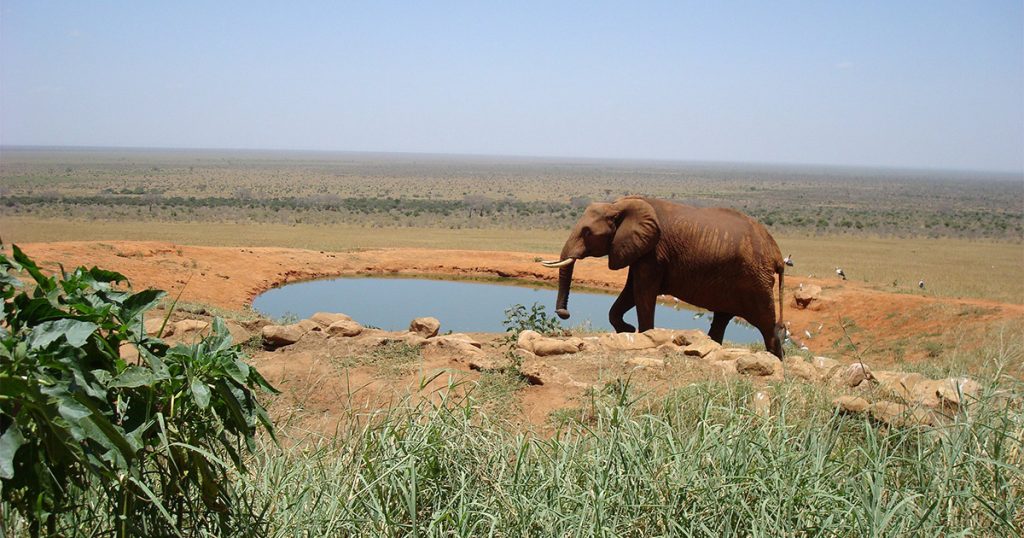
Tsavo National Park.
Tsavo national park is a very big national park in Kenya. It is made up of two separate parks: Tsavo East National Park and Tsavo West National Park. It is located in the Coast Province of Kenya, between Nairobi and Mombasa. Tsavo National Park is nearly 22, 000 km2 in size and is the biggest national park safari in Kenya and one of the biggest in the world. The train that goes from Mombasa to the middle of Kenya divided the park into two. Tsavo National Park is among the most visited safari parks in Kenya. It is located in the southwestern part of Kenya and is famous for the large number of elephants and lions that live there. There was a time when lions were often referred to as “Man-Eaters” in that area. The park covers an area of 13, 747 square kilometers.
Tsavo East National Park.
Tsavo East National Park is the largest and one of the oldest parks in Kenya. It is in the south-east of Kenya. It is close to the town of Voi in the Taita-Taveta District of Coast Province.
The size of the park is 13, 747 square kilometers and it is located in a semi-arid area that was once known as Taru desert. The park was opened in April 1948. The park is divided into east and west parts by the A109 road and a railway track. It is adjacent to Tanzania’s Chyulu Hills National Park and the Mkomazi Game Reserve. It was named after the Tsavo River which flows right through the national parks from west to east.
Attractions in Tsavo East National Park.
Wildlife.
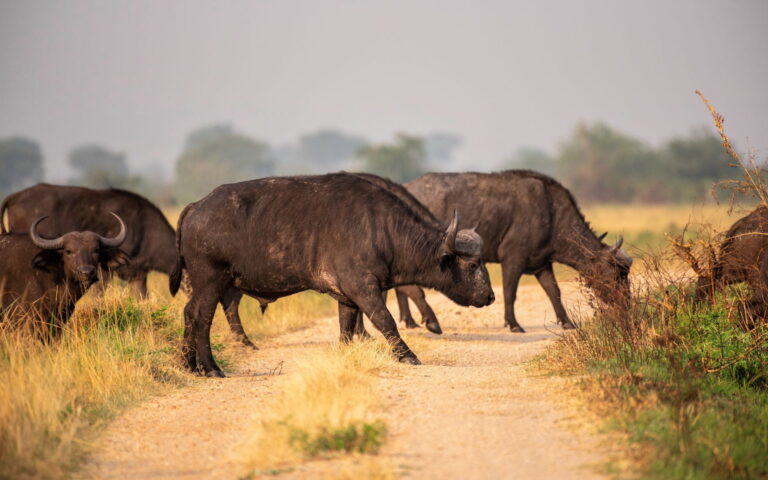
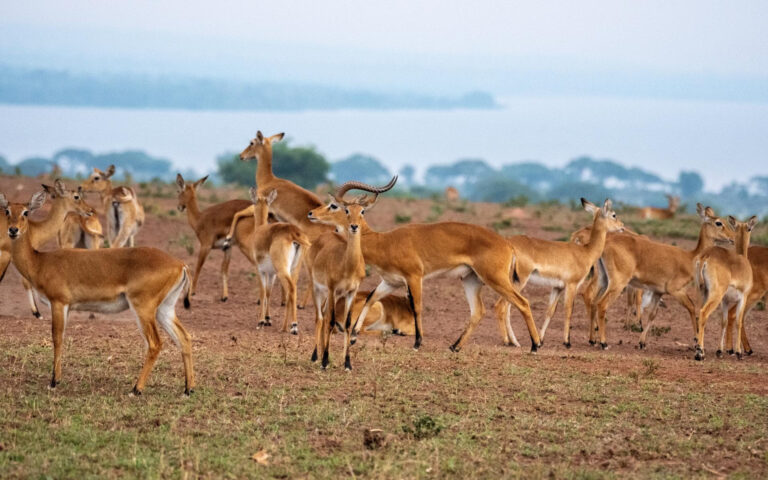
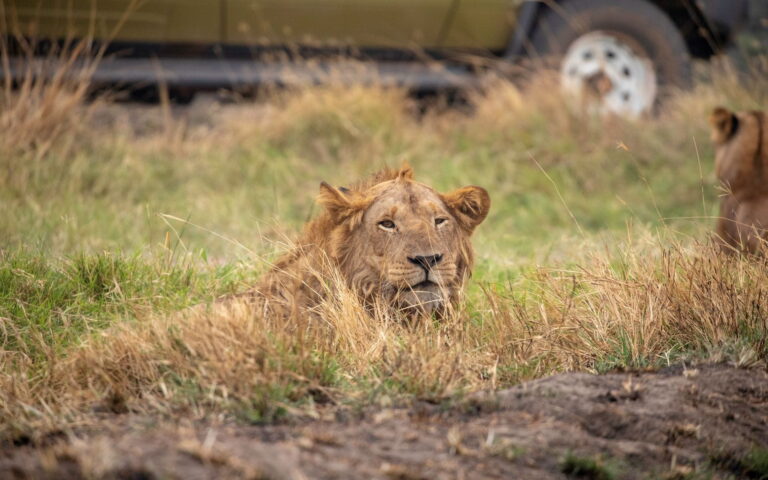
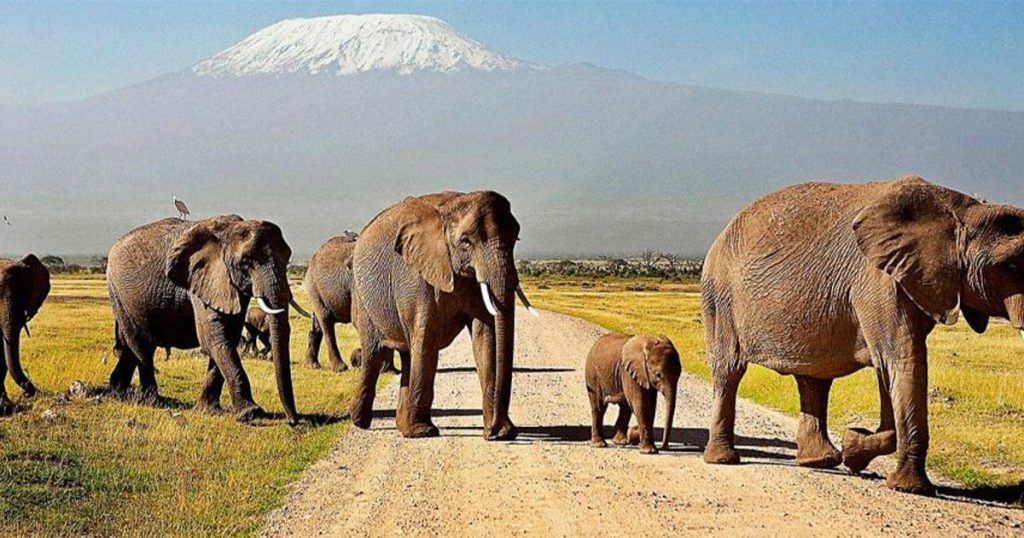
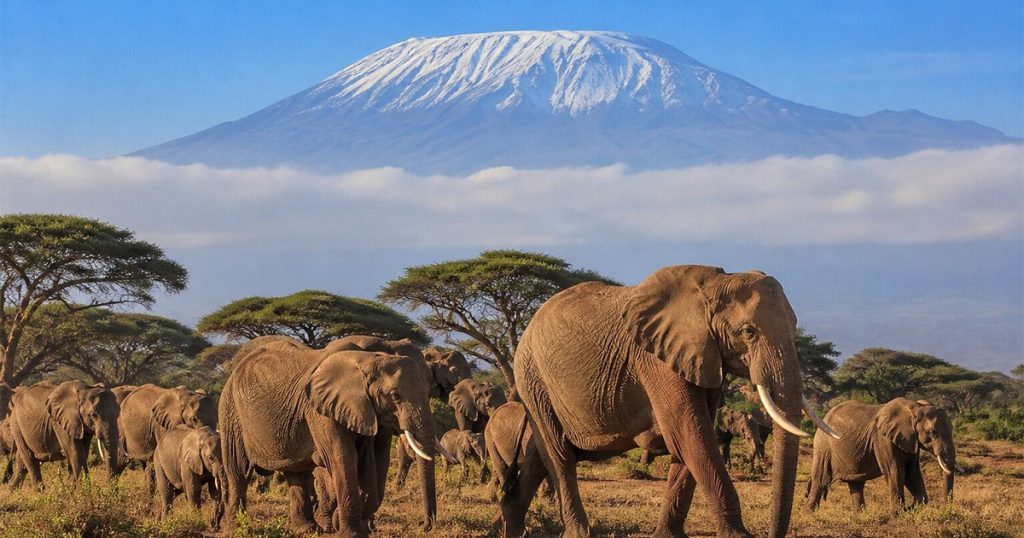
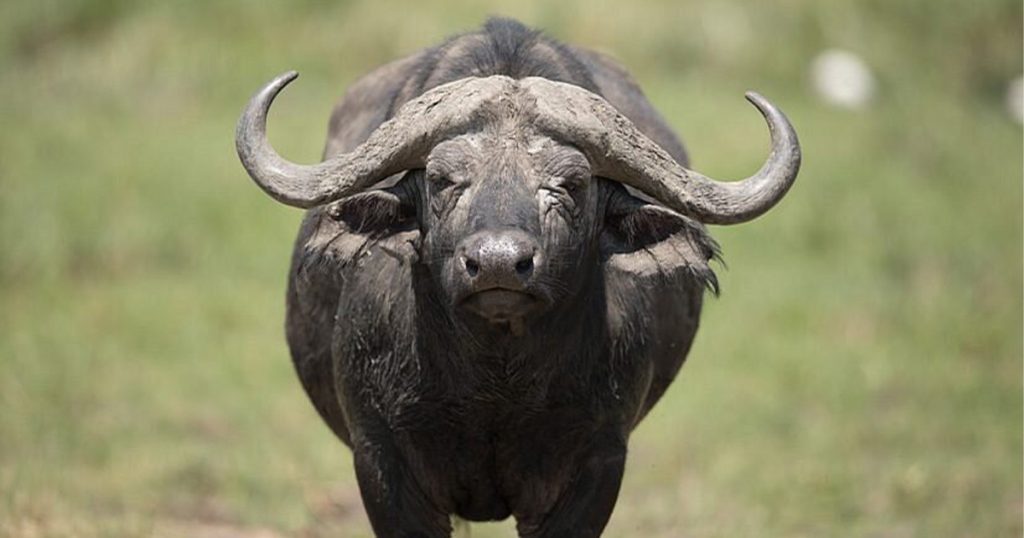
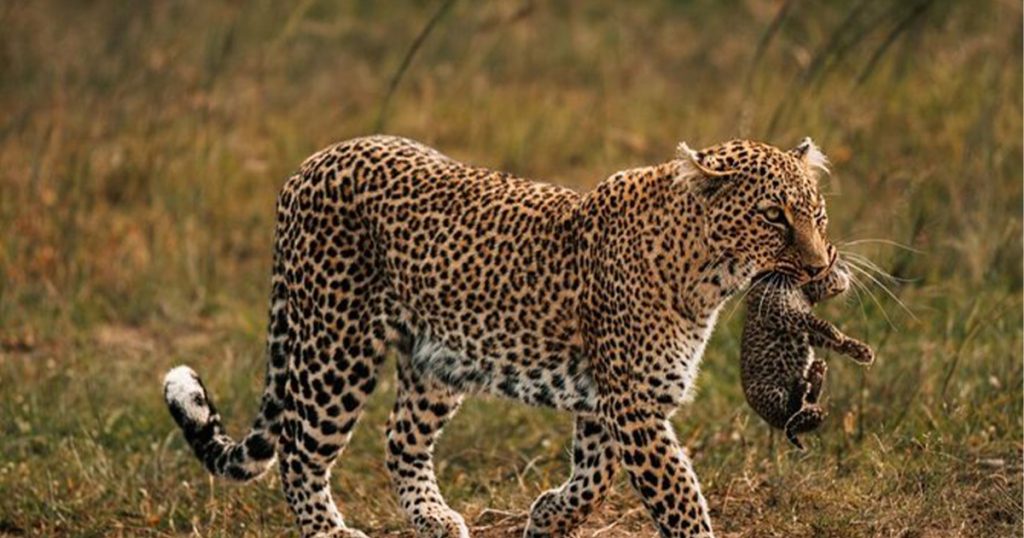
Tsavo East National Park is undoubtedly one of the top safari parks in Kenya where you can watch a variety of wild animals in their natural habitat. There are 675 different species of animals found in the park, including a large population of lions. Besides this, there are also a wide range of mammals and primates, including the well-known Big 5 mammals. Elephants, leopards, cheetahs, buffalos, black rhinos, impala, aardwolves, Grevy’s and plain zebras, warthogs, civet are some of the other mammals in the park. At Tsavo East National Park, you can also find several types of primates, such as the yellow baboon, the Skye’s monkey.
Bird species.
Tsavo East is a bird lovers safari destination, that is the park is a home to over 500 species of birds in Tsavo East National Park. Many of them are very easy to spot, such as the splendid golden-breasted starling, golden pipit, and vulturine guineafowl. The park is also the southernmost habitat of the Somali ostrich. The vastness of the park is one of the reasons it is an excellent habitat for migrant species from Europe, and you will find migrant birds there from November to April. African finfoot, Fischer’s starling, Martial eagle, Northern brownbul, Pangani longclaw, Red-bellied parrot, Rufous chatter, Somali bee-eater, Vulturine guineafowl, Taita falcon, Taita fiscal, Somali bunting, among many more bird species that inhabit Tsavo East national park.
Aruba dam.
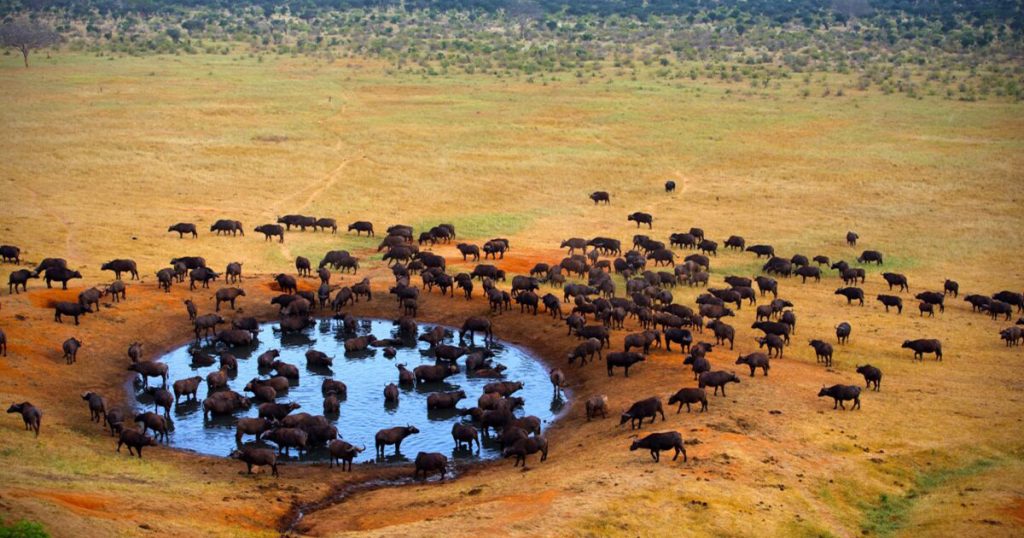
Aruba Dam is a water reservoir and wildlife attraction site in Tsavo East National Park. The dam was constructed in 1952 at the Voi River. It is one of the best places to see the Kenyan Wildlife in Tsavo National Park. The animals from Tsavo East National Park around the dam to drink water during the dry season comes great in numbers, even some birds make their homes in the area. Among the animals that can be seen are duikers, elephants, waterbucks etc.
Galana River.
Galana River is home to a number of wildlife species which is among the main attractions in Tsavo East National Park, the origin of this river is the highland in the south-eastern part of Kenya and it flows through the national park and into the Indian Ocean, during a safari to the Galana River, tourists can also see crocodiles as they explore the entire beauty of the park.
Tsavo River.
Another beautiful river in Tsavo East National Park that you cannot miss is the Tsavo River. This river passes through the park and then joins with the Athi River to create the Galana River.
Mudanda rock.
It is located next to the Manyani gate in Tsavo East National Park. During the dry season, which is the water catchment area near the stratified rock, you will find the animals that have come to drink water. Therefore, it is not only easy to spot different types of animals, but you can also have an amazing view of them from the pool while on a safari tour.
Yatta plateau.
One of the most indelible sights to see in Tsavo East National Park is Yatta Plateau, a must-see for anyone going on a Kenya safari in the park. The Yatta Plateau is the longest lava flow on the earth’s surface, measuring 290 kilometers in length. The same lava that was responsible for the formation of Ol Doinyo Sabuk Mountain was the lava that formed the Yatta Plateau. Yatta plateau overlooks the Athi River and borders the western edge of Tsavo East national park. Yatta Plateau is the longest lava flow in the whole world. It was formed by the eruption of Ol Doinyo Sabuk Mountain. It consists of flat, broad slopes and narrow alleys formed by the lava flows.
Lugard falls.
If you are on a safari in Tsavo East National Park, you can also plan a visit to Lugard Falls, a major attraction formed by the Galana River. This attraction is composed of lava-shaped rocks that have hardened over time. Lord Fredrick Lugard was on a journey through the area when he named the falls after himself. Rapids were formed by the presence of rocks and the structure of the river which together restrict the water flow. At the plunge pool beneath the falls, tourists can spot buffalos, hippos, and alligators.
Activities to do in Tsavo East national park.
Bird watching.
With over 500 bird species, Tsavo East national park provides a truly unique and incredible birding safari experience, as among these are numerous dry-country specials that are easy to spot such as Vulturine Guineafowl, Ortolan Bunting, Bat-like Spinetail, Yellow-throated Sandgrouse, Golden-breasted starling, and many more.
Wildlife Viewing.
Among Tsavo East National Park’s many attractions is its stunning wildlife viewing. Here, visitors can witness the “African Big Five”, a group that consists of the lion, buffalo, elephant, rhinoceros, and leopard, plus large herds of hippos and enormous Nile crocodiles. Besides this, you may also spot small creatures such as dik-diks, bush babies, and Klipspringers in the park.
Cultural tours
Besides being a great destination for wildlife viewing, Tsavo East National Park is also an ideal spot for cultural tour activities. In fact, most national parks are surrounded by the Maasai tribe. Cultural tours in Tsavo are mostly directed to visitors and among other experiences, you can watch their settlement patterns, which are gazetted and well fenced with local materials like grass. Also, you can enjoy their traditional dances, plays, and songs.
Guided Nature Walks.
Guided nature walks are among the most delightful things to do in the Tsavo national park. Sometimes, these walks are also referred to as walking safaris.
These walks are conducted by the park ranger. Since the park ranger is armed for the protection of visitors, he or she will lead the guided nature walks.
Best time to visit Tsavo East national park.
Tsavo East National Park is a great place to visit in June to October and January to February as these times will offer you the best animal viewing experience. You might face some inconveniences during the short rains in November and the long rains in April and May when the rains are at their peak.
Where to stay in Tsavo East national park.
During your safari in Tsavo East National Park, you can stay at some of the most comfortable places, such as Tsavo Camp Voi, Voi Wildlife Lodge, Satao Camp among others.
How to get to Tsavo East national park.
How to get to Tsavo East National Park.
From Nairobi to Tsavo East National Park, there are two main options: you can fly, take the train, or drive.
By Road Transport: Tsavo East is located in the southeast part of Kenya and is approximately 325 kilometers (201 miles) away from Nairobi and 250 kilometers (155 miles) from Mombasa, depending on your itinerary, which might include Nairobi or another park. The trip will be 6 to 7 hours approximately.
By Air Transport: Currently, there are no scheduled flights to Tsavo East National Park but a number of airstrips can be used by chartered planes.
By Train Transport: Taking a train is the most convenient and probably the cheapest way to get from Nairobi to Tsavo East national park if you don’t have your own vehicle. It will take you 4 hours.
Tsavo West National Park.
Tsavo West national park is in the coast province of Kenya. The park covers an area of 9, 065 square kilometers and it was first officially opened in April 1948. The road A109 from Nairobi to Mombasa and a train separate it from Tsavo East National Park, the neighboring park. Together with the ranches and the protected area besides it. Tsavo West is considered a much better safari destination because it has something beautiful to offer such as Mzima Springs, a great variety of wildlife, good road network, a rhino reserve, and opportunities for rock climbing, and guided walks along the Tsavo River. Kenya Wildlife Service is the one who runs and takes care of Tsavo National Park.
Attractions in Tsavo West National Park.
Mzima Springs.
Those tourists who visit the Tsavo West National Park may also go to Mzima Springs which are famous for their clear water plus the hippos and crocodiles that live there. The four springs that make up Mzima Springs are located in the western part of the park. Mzima springs are fed with water from a subterranean reservoir below the Chyulu hills. The springs are a source of water for the animals in the savanna plains. Vervet monkeys can be seen in the trees surrounding the springs, and they feed on the fruits of date trees, raffia palms, water berries, and figs. You may also spot various bird species in the trees around Mzima Springs.

Wildlife.
Tsavo West National Park is occupied by a wide variety of creatures among which the “Big Five” of Africa: lions, leopards, buffaloes, elephants, and rhinos. Both Black and White Rhinos can be found in the surrounding ranches. Because the park animals are permanent residents, game drives during any season are quite enjoyable. The park is also a habitat of zebras, cheetahs, topis, kudus, jackals, impalas, African wild dogs, and so many other animals.
Bird species.
Tsavo West National Park is a birding paradise with more than 400 bird species scattered over different types of vegetation in the park. The different habitants in the park have created to this large species of birds that range from water to forest birds such as the red-Backed shrike, Northern Brownbul, Eastern black-headed oriole, starlings, African finfoot, Golden pipit and many more.
Poacher’s hill.
Poacher’s hill is one of the top attractions that one can see on safari in Tsavo West national park. Poacher’s lookout offers the visitors 360-degree views of the entire park. Originally, poachers were using the hill to spot elephants and rhinos before they scouted the area. The hippos and Nile crocodiles at Mzima springs make it a very popular place to be for wildlife lovers of Tsavo.
Shetani Lava Flow.
The black folded lava that flows across the savannah, as well as the breathtaking views of the area, are some of the main attractions of the Shetani Lava Flow. While on a safari to the Shetani lava flows, you can also observe different wildlife species like predators crossing the area. Close to the lava flows, the Shetani caves made by volcanic activities can also be found. Shetani means “devil, ” which is how the locals viewed it when lava was flowing on the ground. They believed it was the devil himself coming out of the ground. You can get to the Shetani lava flow through the Chyulu gate, which is one of the entrances to the Tsavo West National Park.
Ngulia rhino sanctuary.
Ngulia rhino sanctuary is a safe place for endangered rhinos in Tsavo and Kenya as a whole. Kenya, which is a safari destination and home to a lot of wildlife, used to be home to more than 8,000 black rhinos in the in the 1970s, the rhinos at Ngulia were thriving, but sadly, their numbers began to decline due to poaching and habitat loss as a result of human development on their land. Rhino Sanctuary is home to more than 80 rhinos, which are easy to spot while
You’re already there, surrounded by amazing wildlife. And if you’re lucky, you can even catch a glimpse of leopards and elephants roaming around. The black rhinos at the park are also a sight to behold. You might catch a glimpse of them if you’re lucky, even though they are nocturnal and usually active at night, it’s not like it’s never going to happen. Since the black rhinos are in danger of going extinct, the sanctuary is well fenced and guarded by rangers
Roaring rocks.
Roaring rocks are a beautiful part of Tsavo West National Park. They remind me of the scene in The Lion King where Mufasa holds Simba up to show his children to the animals he ruled over as king. These rocks are near Ngulia rhino reserve and have been used as a place to watch for a long time.
Lake Jipe.
Lake Jipe is in Tsavo West National Park, which is on the border between Kenya and Tanzania. It is a beautiful lake that used to be the crown jewel of Tsavo West because it was the only natural lake in the 8,000 square mile area of dry scrubland that is Kenya’s famous Tsavo National Park.
Activities to do in Tsavo West national park.
Bird watching.
Over 400 bird species can be found in Kenya’s Tsavo West National Park, which is a popular place for birdwatchers. One of the park’s landmarks, the Ngulia Hills, is on one of the world’s busiest bird migration routes. Between October and January, bird ringers make an annual pilgrimage. This place is really amazing. When you go on a bird watching trip in the park, you get to see where all the birds live. Africa’s most important bird-ringing (tagging birds so that each bird can be identified). There are more than 100 migrant and resident species have been found here, including the marsh warbler, river warbler, red-backed shrike, thrush nightingale, common whitethroat, and many more. Mzima springs is a good place to watch birds in the park as well.
Rock climbing.
Tsavo West national park has some of the best rock-climbing adventures on a Kenya safari. The most impressive rock climb is the famous 300m Kichwa Tembo rock, which attracted the first adventure and later, the second expedition to conquer the impressive Tsavo Chimney. Other hiking safari and rock-climbing areas include Ngulia Hills, Mastodon, and ivory tower, which have viewpoints that give you a wide view of the landscapes and large herds of elephants.
Game drives.
Game drives safari in Tsavo West National Park. It’s a place that really lets you experience the wild side of Africa, with plenty of opportunities to spot amazing animals and get a feel for the continent’s incredible wildlife. “Big Five.” Game drives happen three times a day: in the morning, in the afternoon, you can see a lot of elephants. There are so many of them around. other various animal species.
Best time to visit Tsavo West national park.
The best time to go to Tsavo West National Park is from June. You can visit from October to February, which is usually the dry period, and avoid the rainy season. the park at any time of year, but November, April, and May, when it rains a lot, are not good times to see wildlife.
Where to stay in Tsavo West national park.
Tsavo West national park has many accommodation options for the guests which are well comfortable and suitable that includes that are classified into Budget, Mid-range and Luxury such as Kilaguni Serena Safari Lodge, Severin Safari Camp, and Ngulia Safari Lodge, salt lick safari lodge, Man -eaters’ camp, Lake Jipe safari camp and many more.
How to get Tsavo West national park.
Tsavo west national park can be reached into two ways that is road and air transport from Nairobi.
By Road transport: The park is about 250 km from Mombasa and 230 km from Nairobi. It is about 450 km from Lake Nakuru National Park.
By Air transport: There are regular flights from Nairobi to Tsavo West national
Flights to the park usually take off from either Jomo Kenyatta International Airport or Mombasa’s airport. Moi International Airport. Tsavo national park has got airstrips for chartered flights.