Hell’s Gate National Park.
Hell’s Gate National Park in Kenya is emphatically not one of those parks. It is a destination that asks something different of the traveler a willingness to get out of the vehicle, put foot to trail, and engage with one of the most dramatically beautiful and geologically extraordinary landscapes in East Africa on foot, by bicycle, and on terms entirely set by the landscape itself. What it returns on that engagement is an experience so distinctive, so physically alive, and so visually stunning that travelers who visit it consistently describe it as one of the most unexpectedly extraordinary days of their entire Kenya itinerary.
Hell’s Gate National Park covers approximately 68 square kilometers of dramatic volcanic landscape in Nakuru County in Kenya’s Rift Valley situated on the southern shores of Lake Naivasha, approximately 90 kilometers northwest of Nairobi. Established as a national park in 1984, it is one of the few protected areas in Kenya where visitors are permitted to walk and cycle freely among wildlife without mandatory ranger escort a policy that gives the park its defining character and distinguishes it fundamentally from virtually every other wildlife destination in the country.
The park’s landscape is dominated by dramatic red-rock gorges, towering volcanic plugs, geothermal steam vents, and open savanna grasslands carved by ancient lava flows and shaped by millennia of geological activity along the East African Rift Valley. Fischer’s Tower a 25-meter freestanding volcanic column rising from the valley floor and the Central Tower are among the most visually iconic geological features in Kenya, recognizable to millions of people worldwide as the landscape inspiration for the Pride Lands in Disney’s The Lion King. The park’s geothermal activity is harnessed by the adjacent Olkaria Geothermal Power Station one of the largest geothermal facilities in Africa whose steam pipes and infrastructure are visible from several points within the park and add an unexpected industrial dimension to an otherwise entirely natural landscape.
Attractions in Hell’s Gate National Park.
The Gorge and Canyon System is Hell’s Gate’s most spectacular and most celebrated natural feature a series of dramatic narrow gorges carved through ancient volcanic rock by the prehistoric Njorowa River, whose walls rise in places to over 20 meters on either side of a canyon floor of remarkable geological complexity and visual drama. Walking or scrambling through the main gorge past waterfalls, natural rock pools, steam vents, and walls of layered volcanic rock in shades of red, orange, and ochre is the single most memorable physical experience the park offers, and one that rewards geological curiosity and physical confidence in equal measure.
Fischer’s Tower and the Central Tower the two great volcanic plugs that define Hell’s Gate’s skyline are among the most recognizable geological landmarks in Kenya and among the most popular rock-climbing destinations in East Africa. The towers rise dramatically from the valley floor with a visual authority that makes them compelling even for visitors with no interest in climbing, and their association with The Lion King gives them a cultural familiarity that adds an unexpected layer of recognition and delight to the first encounter.
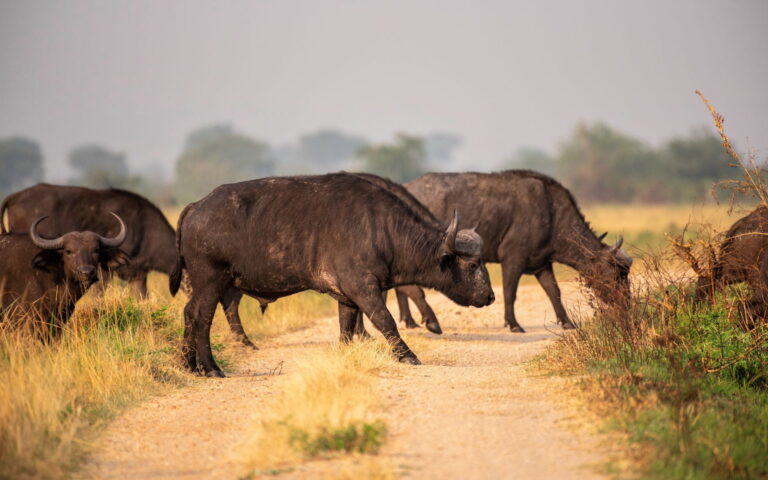
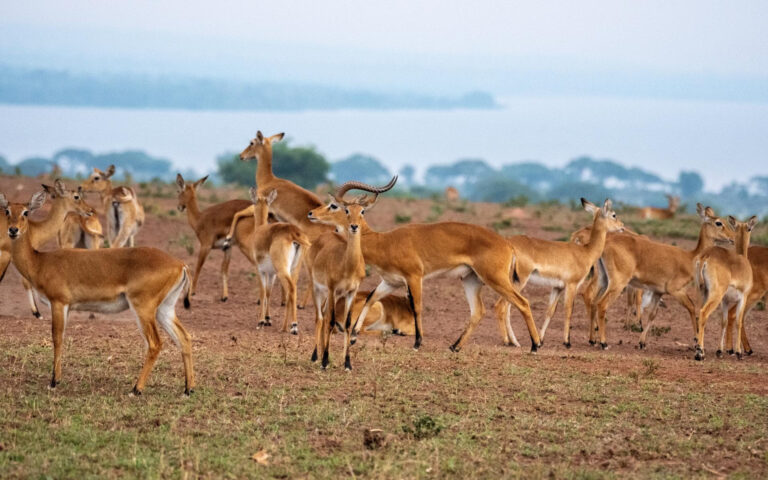
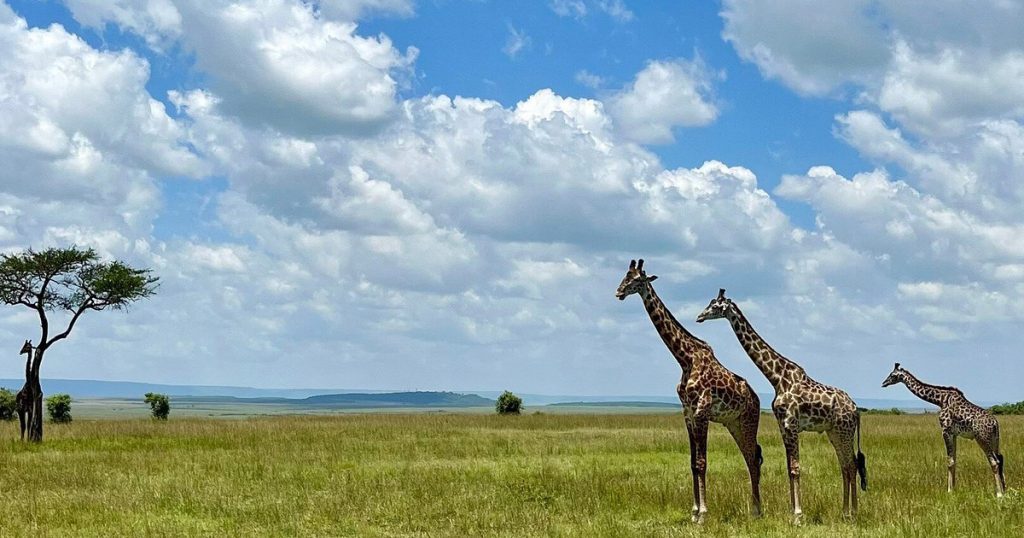
The Wildlife of Hell’s Gate is genuinely impressive for a park of its size large herds of buffalo, zebra, Thomson’s gazelle, and Grant’s gazelle graze across the open grasslands with a relaxed accessibility that reflects their long familiarity with cyclists and walkers moving through the park. Hartebeest, eland, impala, warthog, and olive baboon are regularly encountered, while the park’s rocky escarpments and cliff face shelter populations of Verreaux’s eagle, augur buzzard, Egyptian vulture, and Lammergeier raptor species of considerable size and visual impact that make Hell’s Gate a destination of real significance for serious bird watchers.
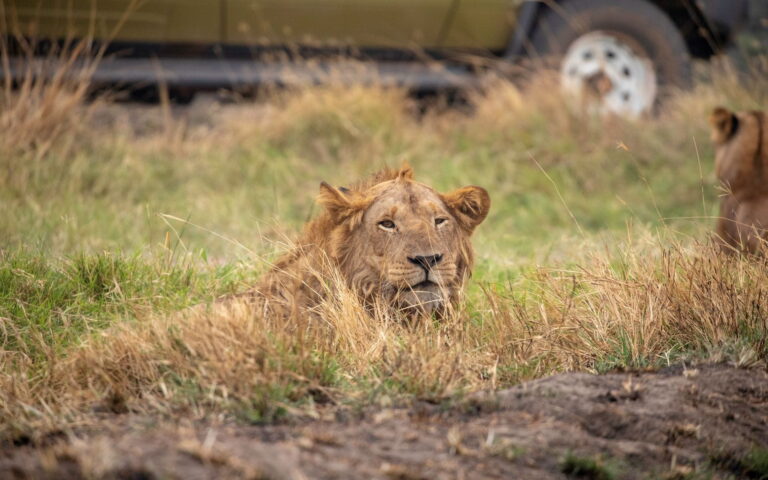
Leopards and cheetahs are present within the park in small numbers, and while encounters are uncommon, the possibility of crossing paths with a large predator on foot without the protective barrier of a vehicle adds a dimension of authentic wildness to the walking and cycling experience that many travelers find surprisingly and pleasurably arresting.
The Geothermal Features steam vents, hot springs, and bubbling mud pools distributed across the park’s floor and gorge system provide a vivid and scientifically fascinating window into the geological forces that have shaped the Rift Valley landscape over millions of years. The largest steam vents near the gorge entrance produce jets of superheated vapor with a dramatic visual and auditory presence that never fails to impress first-time visitors, and the hot spring pools within the gorge offer the unexpected pleasure of natural warm water bathing in a setting of extraordinary geological beauty.
Activities to do in Hell’s Gate National Park.
Cycling is Hell’s Gate’s signature safari activity and the most popular way to explore the park a network of well-maintained tracks across the open savanna allows visitors to cover the park’s main circuit of approximately 22 kilometers at their own pace, stopping to observe wildlife, photograph the volcanic landscape, and engage with the park’s geological features with a freedom and spontaneity that no vehicle-based safari can replicate. Bicycles are available for hire at the park gates, and the flat to gently rolling terrain of the main circuit is accessible to riders of all fitness levels.
Walking and Gorge Scrambling through the Njorowa Gorge system is the park’s most physically engaging and visually rewarding activity guided gorge walks descend into the canyon system through narrow passages, past waterfalls and steam vents, to a series of natural pools and geological formations of outstanding beauty.
Rock Climbing on Fischer’s Tower and the Central Tower offers routes of varying technical difficulty for climbers of different experience levels from beginner-friendly routes requiring basic skills to more challenging lines that reward experienced climbers with exposure and views across the Rift Valley of extraordinary panoramic quality.
Bird Watching across Hell’s Gate’s diverse habitats open grassland, cliff faces, riverine bush, and geothermal zones delivers sightings of over 100 recorded species, including the globally significant populations of Verreaux’s eagle, Lammergeier, and Egyptian vulture that nest on the park’s volcanic cliffs and are regularly observed soaring on thermal currents above the gorge.
Geothermal Spa Experience at the Olkaria Geothermal Spa located adjacent to the park boundary offers visitors the opportunity to soak in naturally heated mineral pools fed by the same geothermal activity that powers the Rift Valley’s geological drama, providing a restorative and genuinely unusual wellness experience within one of Kenya’s most scenically extraordinary landscapes.
Hell’s Gate Cultural Village visit provides an introduction to the traditional culture and contemporary life of the Maasai and Kikuyu communities whose ancestral connection to the Naivasha landscape predates the park’s establishment by many generations adding a human dimension to the visit that enriches the overall experience considerably.
Best time to visit Hell’s Gate National Park.
Hell’s Gate National Park is accessible and rewarding throughout the year, with cycling and walking activities possible in all seasons. The dry seasons January through March and June through October offer the most comfortable conditions for outdoor activities, with firm tracks, clear skies, and dry gorge conditions that make scrambling through the canyon system safe and physically straightforward.
The wet seasons April through May and November through December bring lush green vegetation and dramatically atmospheric skies that make the volcanic landscape even more visually striking than usual, but also render the gorge floor potentially hazardous during and immediately after heavy rainfall when flash flooding can occur without warning. Visitors planning gorge walks during the wet season should consult with park rangers about current conditions before entering the canyon system, and should be prepared to exit immediately if rainfall begins while they are within the gorge.
Where to Stay in Hell’s Gate National Park.
Enashipai Resort and Spa on the shores of Lake Naivasha approximately 15 kilometers from the park entrance is the most luxurious accommodation option serving Hell’s Gate, offering spacious lakeside rooms and suites, a full-service spa, multiple dining venues, and water-based activities on the lake that complement the land-based activities of the park with exceptional convenience and comfort. The resort’s manicured gardens, lake views, and consistently high service standards have established it as the premier accommodation address in the Naivasha area.
Kongoni Game Valley Estate a private conservancy on the shores of Lake Naivasha offers an exclusive tented camp experience of considerable quality within a wildlife-rich landscape that provides a seamlessly natural transition between the lake environment and the volcanic drama of Hell’s Gate just minutes away.
Crater Lake Game Sanctuary offers intimate lodge accommodation within a small but wildlife-rich private conservancy on the shores of a volcanic crater lake adjacent to Hell’s Gate combining comfortable rooms with exceptional birding, walking safaris, and the particular magic of a small, perfectly managed private wilderness sanctuary.
Camp Carnelley’s on Lake Naivasha provides comfortable mid-range accommodation in a lakeside setting of considerable natural beauty with a campsite, banda accommodation, and simple lodge rooms that make it the most accessible quality option for budget-conscious travelers combining Hell’s Gate with a Lake Naivasha boat safari.
How to Get to Hell’s Gate National Park.
Hell’s Gate National Park is located approximately 90 kilometers northwest of Nairobi in the Rift Valley a journey of approximately one and a half to two hours by road via the Naivasha highway. The drive from Nairobi passes through the dramatic Rift Valley escarpment one of Kenya’s most celebrated viewpoints before descending to the floor of the valley and the shores of Lake Naivasha, and is itself a journey of considerable scenic reward that sets the visual tone for the volcanic landscape waiting at the park entrance.
The park has two main gates the Main Gate at Elsa and the Ol Karia Gate both accessible by standard saloon car on well-maintained tarmac and gravel roads. Unlike most Kenyan national parks, Hell’s Gate does not require a four-wheel-drive vehicle for access or internal movement, making it one of the most practically accessible safari destinations in the country for visitors without specialist vehicles.
Public transport from Nairobi to Naivasha town is available by matatu the shared minibus service that connects Kenya’s towns and cities from where tuk-tuks and taxis provide onward connection to the park gates. Most visitors arriving independently hire bicycles at the gate, making the entire Hell’s Gate experience achievable without a vehicle of any kind a logistical simplicity that adds considerably to the park’s appeal for independent and budget travelers.