Nairobi National Park.
Nairobi National Park, popular and outstanding safari destination. The park covers approximately 117 square kilometers of open grassland, acacia woodland, riverine forest, and seasonal wetland on the southern boundary of Nairobi city in central Kenya established in 1946 as Kenya’s first national park and managed by the Kenya Wildlife Service as a protected area of both national and international conservation significance. The park is bordered on three sides by urban and industrial development but remains open on its southern boundary the Athi-Kapiti plains through which wildlife, particularly wildebeest, zebra, and eland, migrate seasonally between the park and the wider Kitengela ecosystem.
This open southern boundary is both the park’s greatest conservation asset and its most significant management challenge the urban and agricultural development steadily encroaching on the migration corridor from the south threatens to sever the park’s ecological connectivity with the wider landscape and reduce it from a functioning migration ecosystem to an isolated urban island. The conservation of this corridor is one of the most urgent and most widely discussed wildlife management challenges in Kenya, and the outcome of that challenge will determine the long-term ecological viability of a park that has already demonstrated, over eight decades of existence, a resilience and biological productivity that continues to surprise and impress even the most experienced wildlife observers.
Attractions in Nairobi National Park.
Black Rhinoceros population of Nairobi National Park is the park’s most celebrated and most conservation-significant wildlife resident a carefully protected group of individuals that represents one of the most important urban rhinoceros populations in the world and one of the most reliable locations for black rhinoceros observation in Kenya. Nairobi National Park’s rhinoceros are encountered on game drives with a frequency that exceeds most comparable destinations in the country, and the combination of open grassland terrain and experienced KWS guide knowledge of individual animal territories makes close-range observation genuinely achievable for dedicated visitors.
The park functions as a rhinoceros sanctuary of considerable importance animals are monitored daily, and the anti-poaching protection they receive within the park’s boundaries has allowed the population to grow and stabilize in ways that would be difficult or impossible to achieve in more remote and less intensively managed protected areas.
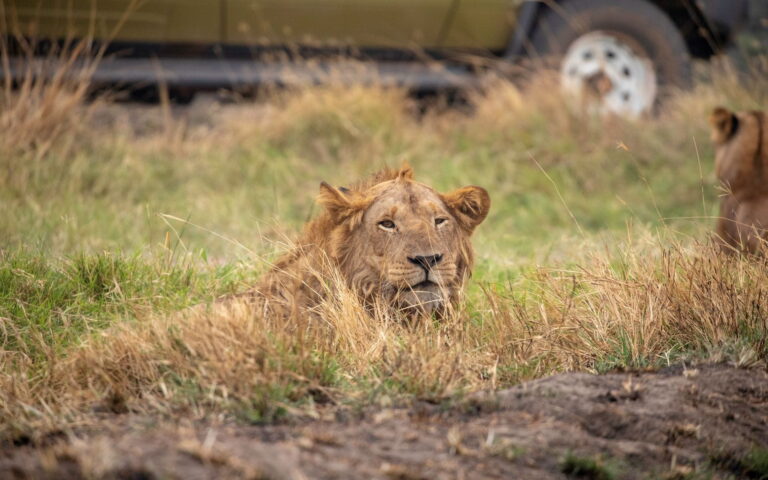
Lions inhabit Nairobi National Park in resident prides whose territories have been documented and monitored by KWS researchers for decades and their presence against the backdrop of the Nairobi skyline creates one of the most visually arresting and intellectually provocative wildlife tableaux available anywhere in the world. Sightings are reliable on dedicated early morning drives, and the open grassland terrain of the park’s central and western sectors provides excellent visibility for predator observation and photography.
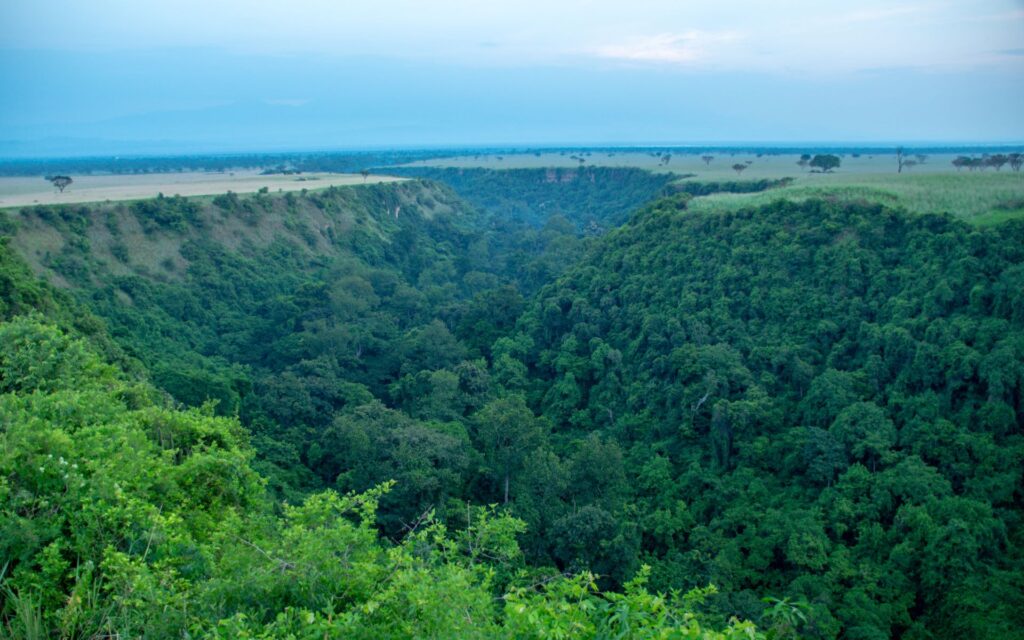
Leopards are present in the park’s riverine forest corridors and rocky gorge areas particularly along the Mbagathi River and while sightings require patience and experienced guide knowledge, they occur with a frequency that makes Nairobi National Park one of the more productive urban leopard viewing destinations in Africa.
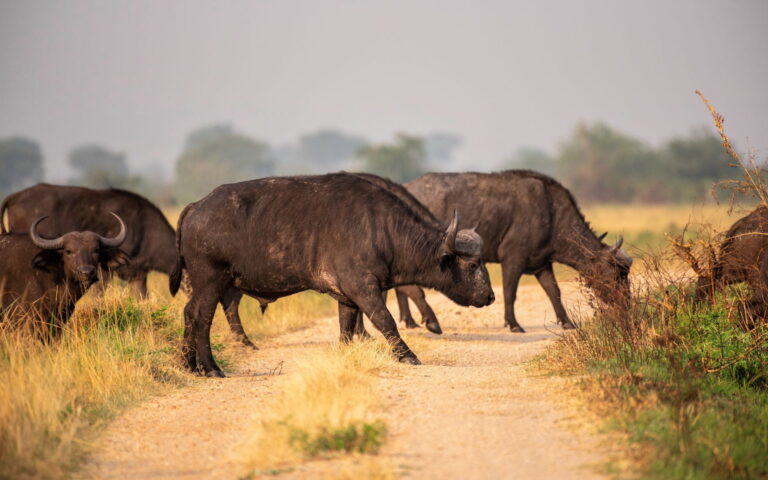
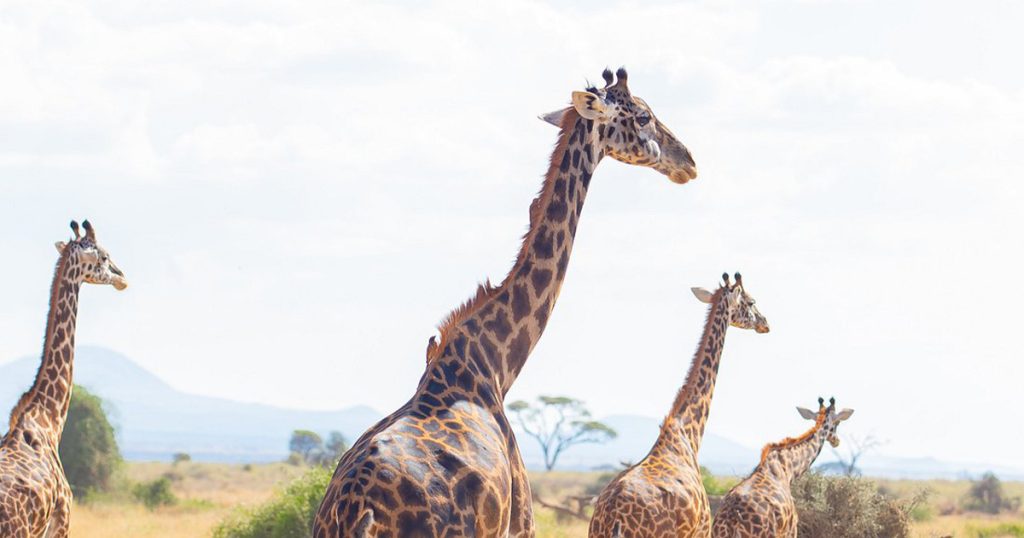
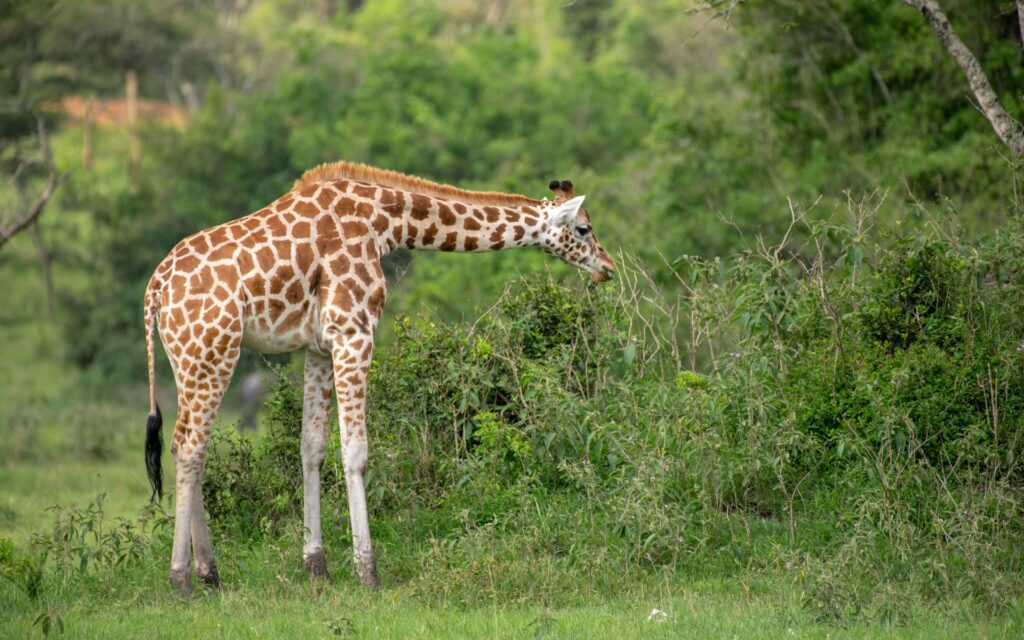
Giraffe, Buffalo, Zebra, and Plains Game inhabit the park’s open grasslands and acacia woodland in healthy, visible populations that provide consistent and rewarding wildlife encounters throughout the year. The park’s Masai giraffe population is one of the most accessible in Kenya large groups of these magnificently tall animals are a near-constant feature of game drives across the central grasslands, their long necks silhouetting against the Nairobi skyline in images of such extraordinary visual incongruity that they have become among the most widely reproduced wildlife photographs associated with Kenya’s conservation heritage.
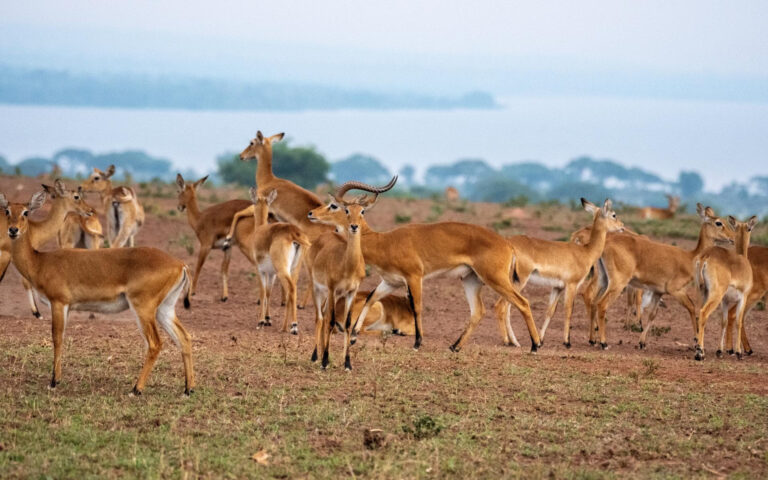
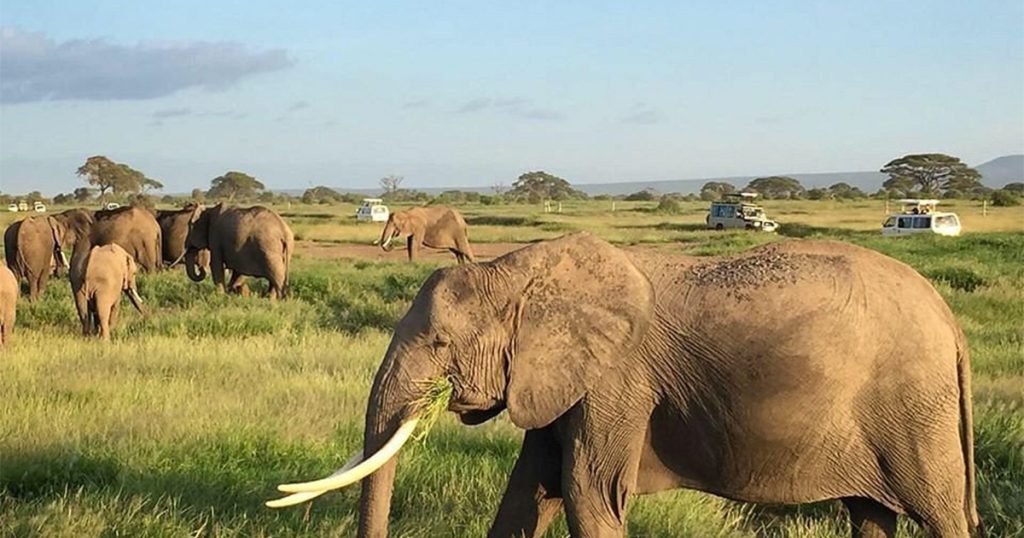
Wildebeest, kongoni, impala, waterbuck, eland, warthog, and olive baboon complete a plains game roster of impressive diversity for a park of such limited size and the seasonal migration of wildebeest and zebra from the Athi-Kapiti plains through the open southern boundary enriches the park’s wildlife population during the dry season months with concentrations of large mammals that temporarily transform its grasslands into something approaching the spectacle of the larger savanna parks to the south and north.
Ivory Burning Site where Kenya has conducted several of its internationally celebrated public destructions of confiscated elephant ivory and rhinoceros horn, most famously under the direction of former KWS director Richard Leakey is located within the park and marks a significant moment in the history of Kenya’s anti-poaching campaign and the global movement against the illegal wildlife trade. The site carries a weight of conservation history that resonates powerfully with visitors who understand its significance, and a visit provides important historical context for the anti-poaching philosophy that underpins Kenya’s contemporary wildlife management approach.
Nairobi Safari Walk and Animal Orphanage located at the park’s main gate provide accessible, educational wildlife encounters for visitors of all ages and backgrounds, showcasing rescued and rehabilitated wildlife including cheetahs, lions, leopards, hyenas, and numerous smaller species in large, well-managed enclosures designed to simulate natural habitat conditions as closely as possible. The Safari Walk in particular is a well-conceived and thoughtfully executed wildlife education facility that serves both as a conservation awareness platform for Nairobi’s urban population and as an accessible introduction to Kenya’s wildlife for international visitors arriving in the city before or after longer safari itineraries.
Activities to do in Nairobi National Park.
Game Drives across the park’s open grasslands, acacia woodland, and riverine forest deliver the core Nairobi National Park experience guided by KWS rangers whose knowledge of the park’s individual animals, seasonal wildlife patterns, and most productive viewing areas provides a depth of interpretive insight that transforms a drive through a small urban park into a genuinely educational and personally engaging wildlife encounter. Early morning drives beginning at the park’s 6 AM opening time are consistently the most productive for predator activity and offer the additional visual drama of the Nairobi skyline in the warm, golden light of the early morning.
Walking Safaris are available within designated areas of the park under armed KWS ranger escort providing a ground-level, physically engaged encounter with the park’s landscape, tracks, and smaller wildlife that no vehicle-based drive can replicate in sensory immediacy and ecological detail.
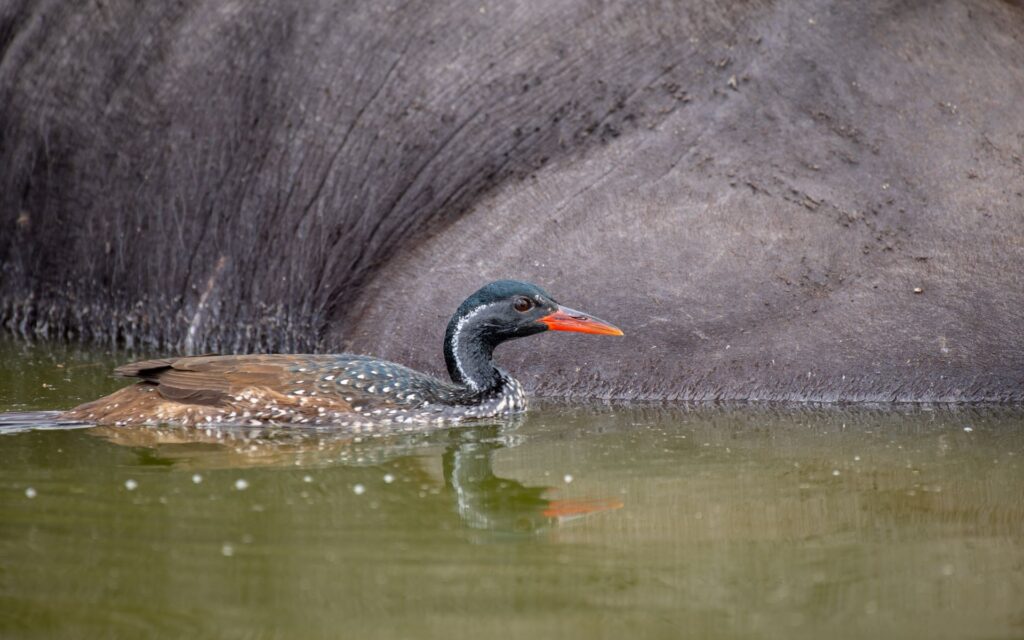
Bird Watching across Nairobi National Park’s diverse habitats open grassland, acacia woodland, riverine forest, dam edges, and seasonal wetlands delivers sightings of over 400 recorded species, making it one of the most ornithologically productive sites of its size anywhere in Africa. The diversity reflects the park’s position at the convergence of multiple habitat types and its role as a stopover and wintering site for numerous Palearctic migrant species between October and April.
Nairobi Safari Walk at the park’s main gate provides a guided walkthrough encounter with rescued and rehabilitated wildlife in a well-designed educational facility that is particularly well-suited to family visitors and travelers with limited time who wish to observe Kenya’s iconic species at close range in a structured and informative setting.
Photography Safaris increasingly popular among both professional wildlife photographers and serious photography enthusiasts take full advantage of the park’s extraordinary visual paradox, using the Nairobi skyline as a dramatic compositional backdrop for wildlife images of striking originality and considerable artistic impact.
When to Visit Nairobi National Park.
Nairobi National Park is accessible year-round and delivers rewarding wildlife viewing in every season its small size and intensive management ensuring consistent game drive productivity regardless of rainfall patterns. The dry seasons January through March and June through October concentrate wildlife most predictably and provide the clearest visibility across the open grasslands, with the seasonal influx of wildebeest and zebra from the southern plains adding a dimension of large mammal abundance to the dry season landscape that significantly enriches the game drive experience.
The wet seasons April through May and November through December bring lush green vegetation, excellent birding conditions as migratory species arrive, and a landscape vitality that is visually beautiful in its own right. The park’s riverine forest is particularly lush and wildlife-rich during and immediately after the rains, and dedicated early morning drives in these periods can produce leopard sightings of unexpected frequency and quality.
Where to Stay In Nairobi National Park.
Hemingways Nairobi is located in the Karen suburb approximately 15 minutes from the park’s main gate is widely regarded as the finest luxury hotel in Nairobi, offering 45 individually appointed suites of exceptional quality, an outstanding restaurant, a full-service spa, and the kind of warm, attentive, personally delivered hospitality that makes it the natural first choice for discerning travelers seeking the finest accommodation experience in the Kenyan capital. Its proximity to the park, combined with its established relationships with leading KWS guides and private game drive operators, makes it the most practically convenient luxury base for Nairobi National Park visitors.
The Emakoko a boutique lodge perched on the edge of the Mbagathi River gorge within the park’s southern boundary offers a genuinely extraordinary accommodation experience of intimate luxury and direct wildlife immersion, with 10 individually designed rooms overlooking the gorge and park interior, an exceptional cuisine program, and the particular magic of waking within a national park to the sounds of wildlife going about their morning activities below your window. It is, for travelers who prioritize wildlife immersion and personal atmosphere over urban convenience, the single most compelling accommodation choice associated with any visit to Nairobi National Park.
Giraffe Manor the iconic boutique hotel in the Langata suburb whose resident Rothschild’s giraffes insert their long necks through the breakfast room windows to accept hand-fed pellets from delighted guests combines genuine luxury accommodation with one of the most joyfully distinctive wildlife interactions available anywhere in Kenya. Its proximity to Nairobi National Park, the adjacent Giraffe Centre conservation project, and the Karen Blixen Museum makes it the natural centerpiece of a Nairobi cultural and wildlife itinerary of considerable charm and variety.
Tribe Hotel in the Gigiri district close to the United Nations complex and the international diplomatic community offers contemporary luxury accommodation of high quality with excellent dining, a vibrant social atmosphere, and the practical urban convenience that makes it a popular choice for business travelers combining Nairobi professional commitments with early morning national park game drives before the working day begins.
How to get to Nairobi National Park.
Nairobi National Park is located on the southern edge of Nairobi city the park’s main gate at Banda Street is approximately six kilometers from the central business district and accessible within 15 to 30 minutes by private vehicle or taxi depending on traffic conditions. Jomo Kenyatta International Airport is situated immediately adjacent to the park’s eastern boundary a geographical proximity that makes Nairobi National Park the only national park in the world accessible directly from an international airport perimeter, and one that allows transit passengers with sufficient layover time to conduct a game drive within the park without leaving the airport’s immediate vicinity.
Many park gates including the main Banda Gate, the East Gate adjacent to the airport, and the Langata Gate serving the Karen and Langata suburbs provide access points from different directions across the city, and the park’s proximity to Nairobi’s major hotel districts means that virtually all accommodation providers in the city can arrange early morning game drive transportation to the park gates within 15 to 30 minutes of departure.