Meru National Park.
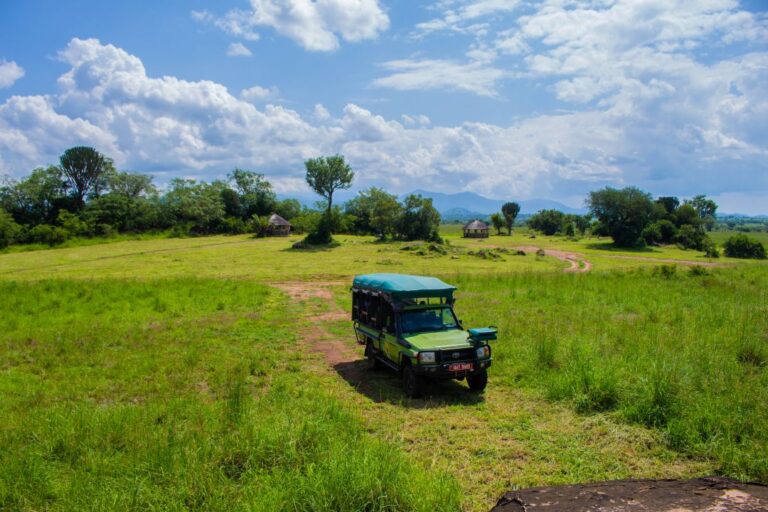
Meru National Park is Kenya’s attractive safari destination that covers approximately 870 square kilometers of diverse savanna, riverine forest, and woodland in Meru County in central Kenya situated northeast of Mount Kenya at elevations ranging from 305 to 1,372 meters above sea level. The park was established in 1966 and is one of Kenya’s oldest protected areas, forming part of a larger conservation complex that includes the Kora National Park to the south and the Bisanadi National Reserve to the east a contiguous wildlife corridor of considerable ecological significance in central Kenya.
The park is watered by fourteen permanent rivers and streams flowing from the forested slopes of Mount Kenya a hydrological richness that sustains a diversity of vegetation zones, from open grass plains and doum palm savanna in the north to dense riverine forest and papyrus swamps along its southern boundary. This ecological variety supports a wildlife population of impressive breadth and density, and the park’s relative remoteness it receives a fraction of the visitor numbers of Kenya’s southern circuit parks ensures that game drives here retain a quality of solitude and genuine discovery that is increasingly difficult to find in more heavily visited East African destinations.
Attractions in Meru National Park.
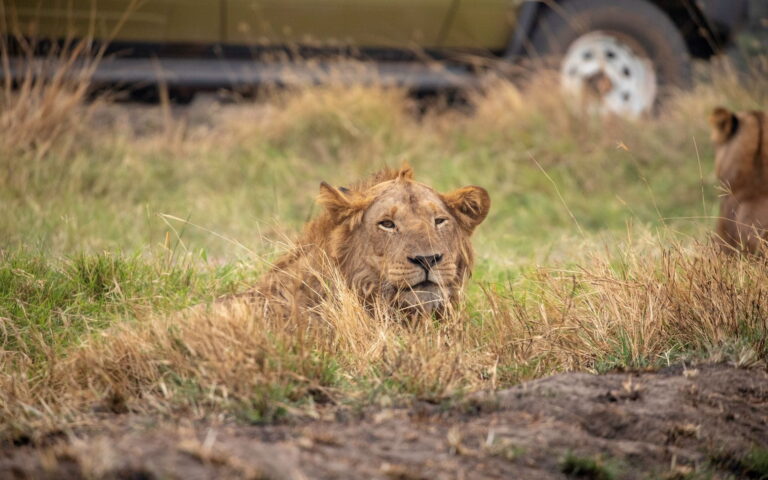
The Big Five and Beyond Meru National Park supports populations of all five iconic Big Five species within its diverse ecosystem, making it one of Kenya’s most complete wildlife destinations for the serious safari traveler. Lions are encountered regularly across the open plains and along the riverine corridors, and the park’s lion population has recovered impressively from the near-total decimation it suffered during the poaching crisis of the late 1980s and 1990s. Leopards inhabit the dense riverine forest and rocky outcrops with their characteristic elusiveness, and dedicated early morning and late afternoon game drives with experienced guides yield sightings of meaningful frequency for patient visitors. Elephants are among Meru’s most consistently visible wildlife residents’ large family herds move between the park’s permanent rivers and open grasslands in a daily rhythm that experienced guides move with impressive accuracy, and the quality of elephant observation available along the Tana and Rojewero rivers is among the finest in Kenya.
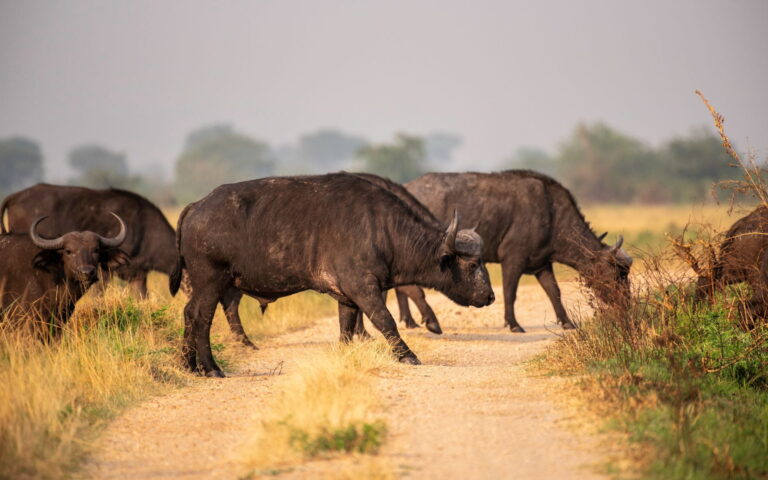
Buffalo graze in large herds across the park’s open grasslands, while the black rhinoceros reintroduced to Meru’s Rhino Sanctuary following their complete elimination by poachers in the 1980s are present in a carefully protected and monitored population that represents one of the most important rhinoceros conservation initiatives in central Kenya. Rhinoceros sightings within the sanctuary are possible with advance arrangement through the park management, and the emotional weight of encountering these animals in a landscape from which they were once entirely removed is considerable.
The Born Free Legacy adds experience of historical and cultural significance to Meru that no other Kenyan national park can claim. The areas where Joy Adamson raised and released Elsa the lioness documented in the globally celebrated Born Free book and film are identified on guided drives, and the George Adamson memorial site at Kampi ya Simba in the adjacent Kora National Park connects visitors to the full arc of the Adamsons’ extraordinary relationship with Meru’s lions in a way that resonates powerfully with travelers who grew up with the Born Free story and those encountering it for the first time.
The Tana and Rojewero Rivers are among Meru’s most productively wildlife-rich habitats and most visually beautiful natural features permanent waterways fringed with doum palms, fig trees, and dense riverine vegetation that shelter hippos, crocodiles, waterbuck, and an exceptional diversity of waterbirds in concentrations that reward extended observation and patient photography. The contrast between the open, sunbaked plains of the park’s northern sector and the cool, green intimacy of the river corridors creates a landscape variety that distinguishes Meru from the more uniform terrain of Kenya’s southern savanna destinations.
The Doum Palm Savannas of Meru’s northern sector is among the most visually distinctive and ecologically specialized habitats in Kenya open grasslands punctuated by tall, elegantly branching doum palms that give the landscape a quality of ancient, sun-drenched beauty reminiscent of illustrations from natural history books of another era. Reticulated giraffe, Grevy’s zebra, oryx, and gerenuk the same arid-zone specialists encountered in Samburu to the north move through these palms with a visual elegance that makes the northern sector one of the most photogenic game drive environments in the park.
Activities to do in Meru National Park.
Game Drives across Meru’s diverse terrain from the open palm savannas of the north to the dense riverine corridors of the south deliver a safari experience of remarkable variety and consistent wildlife productivity, guided by rangers and naturalists whose knowledge of the park’s individual animals and seasonal movement patterns is the product of years of daily field experience.
Rhino Sanctuary Visits arranged through the park management offer a guided encounter within the protected area where Meru’s black rhinoceros population lives under close monitoring and active anti-poaching protection a visit that combines wildlife observation with a meaningful engagement with one of Kenya’s most important and hard-won conservation success stories.
Walking Safaris guided by armed Kenya Wildlife Service rangers provide an intimate, ground-level engagement with Meru’s landscape its tracks, plants, insects, and ecological processes that transforms the safari experience from passive observation into active, physically engaged discovery of the natural world.
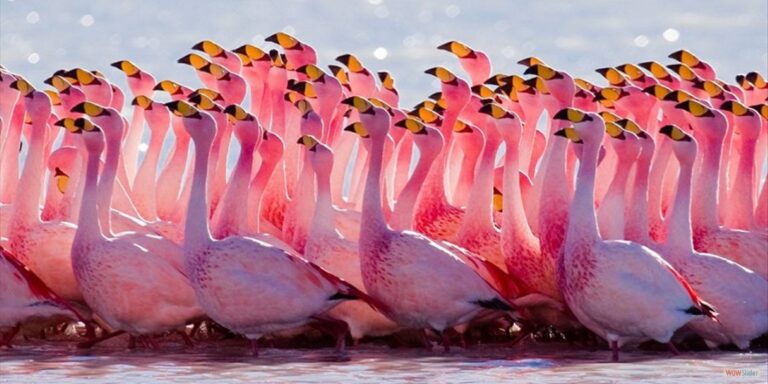
Bird Watching in Meru rewards dedicated ornithologists with an exceptional diversity of species across multiple habitat types from the open-country specialists of the northern plains to the forest birds of the riverine corridors and the waterbirds concentrated along the Tana and Rojewero rivers. Over 427 bird species have been recorded in the park, including Peter’s finfoot, African skimmer, and numerous other species of significant ornithological interest.
Cultural Visits to communities surrounding Meru National Park provide guided encounters with the Meru, Tharaka, and Borana communities whose traditional land management practices and ecological knowledge are deeply intertwined with the conservation history of the park and its surrounding landscape.
Best time to visit Meru National Park.
Meru National Park offers rewarding wildlife viewing throughout the year, though the dry seasons January through March and June through October provide the most consistently productive game drive conditions. Wildlife concentrates along the park’s permanent rivers during dry periods, improving encounter frequency and reducing the vegetation cover that can obscure animals in wetter months.
The wet seasons April through May and November through December bring lush vegetation, dramatic skies, and excellent birding conditions as migratory species arrive and resident birds enter breeding plumage. The park receives its lowest visitor numbers during these periods a circumstance that appeals strongly to travelers seeking solitude and a more genuinely wild safari experience.
Where to stay in Meru National Park.
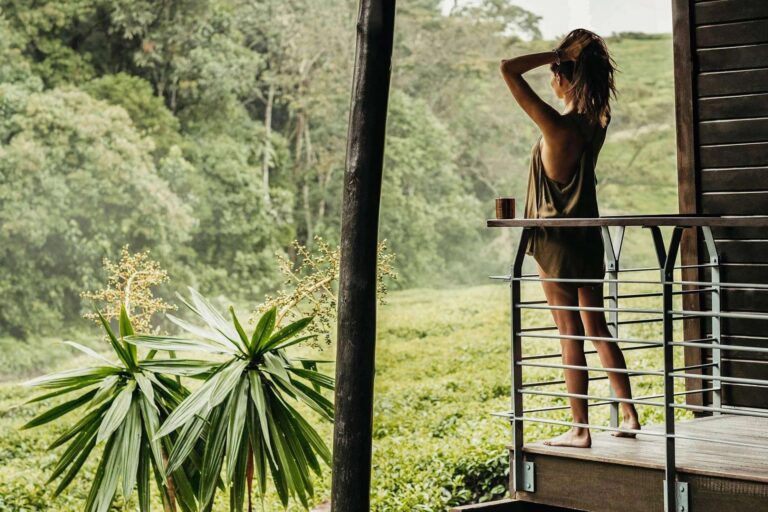
Elsa’s Kopje is, without question, Meru’s most celebrated and emotionally resonant luxury property a collection of individually designed cottage suites built into and around the rocky kopje at Mughwango Hill, where George Adamson camped with Elsa the lioness during the original Born Free story. Each cottage is positioned for maximum privacy and panoramic views across the park’s sweeping plains, and the property’s design organic, site-specific, and deeply respectful of its extraordinary natural setting has earned it consistent recognition among the finest safari lodges in Africa. The guiding at Elsa’s Kopje is outstanding, the cuisine is excellent, and the sense of historical connection to one of wildlife conservation’s most beloved stories gives every stay a depth of meaning that purely wildlife-focused properties cannot replicate.
Rhino River Camp offers an intimate, owner-managed tented camp experience on the banks of the Rojewero River combining comfortable, well-appointed tents with exceptional guiding, productive game drives, and the kind of personal, attentive hospitality that makes small-capacity camps the preferred choice of experienced safari travelers. The camp’s riverside positioning ensures near-constant wildlife activity within and around the camp itself, and the quality of elephant and bird observation from the open dining and lounge areas consistently receives the highest traveler reviews.
Offbeat Meru Camp provides a classic, unfussy East African tented camp experience of genuine quality in a private concession within the park with excellent food, experienced guides, and a relaxed, unhurried atmosphere that allows guests to engage with the Meru landscape at their own pace and on their own terms.
How to get to Meru National Park.
Meru National Park is located approximately 350 kilometers northeast of Nairobi in Meru County, central Kenya.
Air transport; The most time-efficient access option is a scheduled or chartered domestic flight from Wilson Airport in Nairobi to Meru Mulika Airstrip a journey of approximately 50 minutes from which lodge transfers are arranged by the respective accommodation properties.
Road transfer from Nairobi via the Embu-Meru highway takes approximately four to five hours through the scenic central highlands and the agricultural landscapes surrounding Mount Kenya a journey of considerable visual interest that provides a meaningful sense of transition from the urban intensity of Nairobi to the expansive, unhurried world of northern Kenya’s wildlife country. A four-wheel-drive vehicle is strongly recommended for the final section of road within the park, particularly during and immediately after the wet season when tracks can become soft and challenging.
In conclusion; Meru National Park is a safari destination that rewards the traveler who seeks it out with a safari experience of rare authenticity wilder and more personally resonant than the famous parks of the southern circuit, infused with a conservation history of extraordinary human and ecological significance, and set within a landscape of such diverse and uncontrived natural beauty that every game drive feels like a genuine act of discovery. It is, in every sense that matters, one of Kenya’s finest and most deserving wildlife destinations.