Samburu National Reserve.
Samburu National Reserve is Kenya’s unique safari destination that stretches over 165 square kilometers of semi, arid savanna and riverine forest in Samburu County in Kenya’s Northern Frontier District a remote, scarcely populated area with stunning landscapes and great ecological variety. The reserve is situated at an altitude of around 900 meters above sea level next to the Ewaso Ng’iro River, which not only marks its southern border but also acts as the respiratory system of the whole eco, system it is this permanent water source that continually and reliably attracts animals from the dry surrounding plains for game viewing. Viewing along its banks among the most productive in Kenya.
The national reserve was declared in 1985, and currently administered by the Samburu County Government together with Kenya Wildlife Service, Samburu together with the neighbor Buffalo Springs National Reserve and Shaba National Reserve form a big conservation complex, three protected areas which together maintain a continuous wildlife corridor that is of great ecological importance in northern Kenya. The reserve is home to the famous Samburu Special Five a collection of endemic wildlife species found only in the semi-arid ecosystems of northern Kenya and southern Ethiopia and to a human community, the Samburu people, whose traditional pastoral culture and striking visual identity add a rich and compelling human dimension to the safari experience.
Attractions in Samburu National Reserve.
Samburu Special Five are the reserve’s most celebrated and distinctive wildlife attraction five endemic species found only in the semi-arid ecosystems of northern Kenya that give a Samburu safari an ecological character entirely unlike anything available in the country’s southern parks.
Reticulated giraffe; the world’s tallest and most elegantly patterned giraffe subspecies moves across Samburu’s plains in small groups with a grace and visual impact that never diminishes regardless of how many times it is observed.
Grevy’s zebra is the largest and the world’s most endangered species of zebra; it is characterized by its narrow stripes and rounded ears. It is not rare to see it grazing next to the much more common plains zebra as they form mixed groups which of course, visually accentuate the two species’ differences.
Somali ostrich, which is bigger and more brightly colored than the ordinary ostrich, with blue, grey legs and neck, crosses open country on foot, in such a way that one can notice its features even from far away.
Gerenuk perhaps the most extraordinary of the five is a long-necked antelope of almost surreal physical elegance that feeds by standing upright on its hind legs to browse vegetation at heights inaccessible to other antelope species, a behavioral specialization so distinctive that it reliably produces gasps of delighted surprise from first-time observers.
Beisa oryx completes the Special Five a large, powerfully built antelope with long, straight horns and a boldly marked black-and-white face that gives it an aristocratic bearing perfectly suited to the dramatic landscape it inhabits.
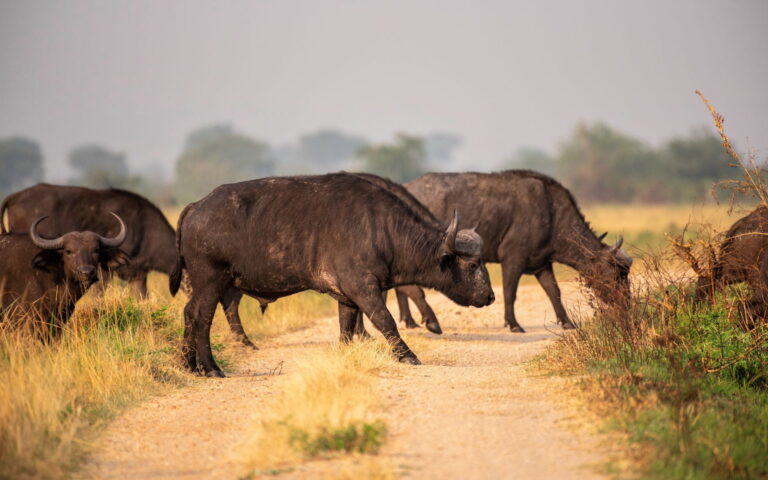
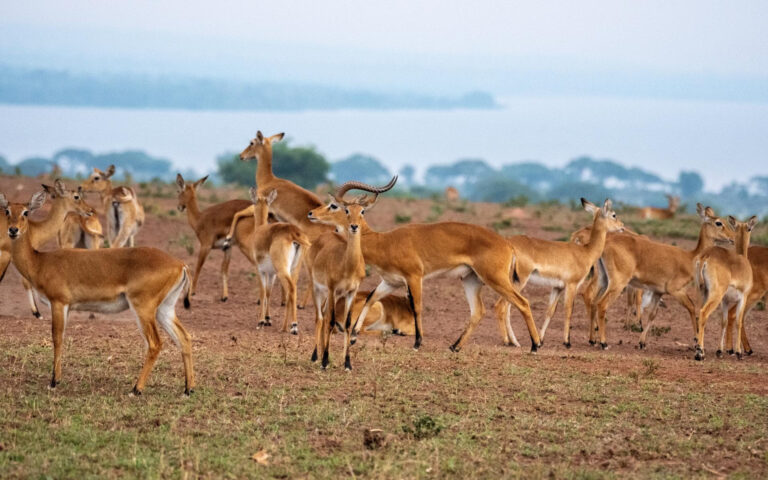
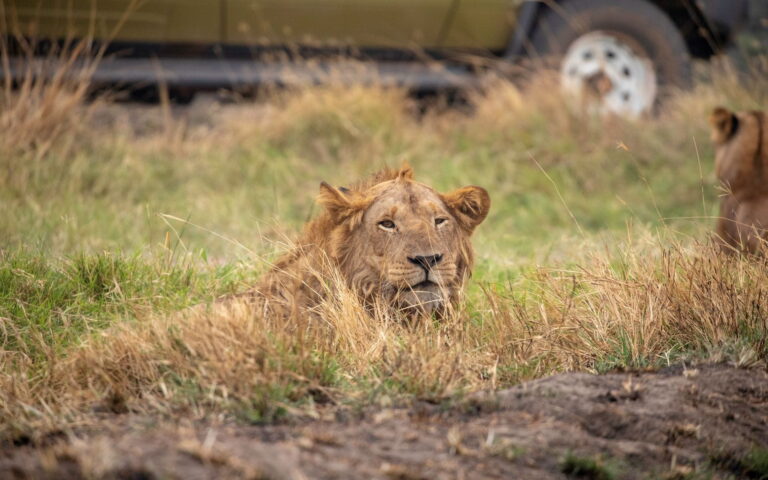
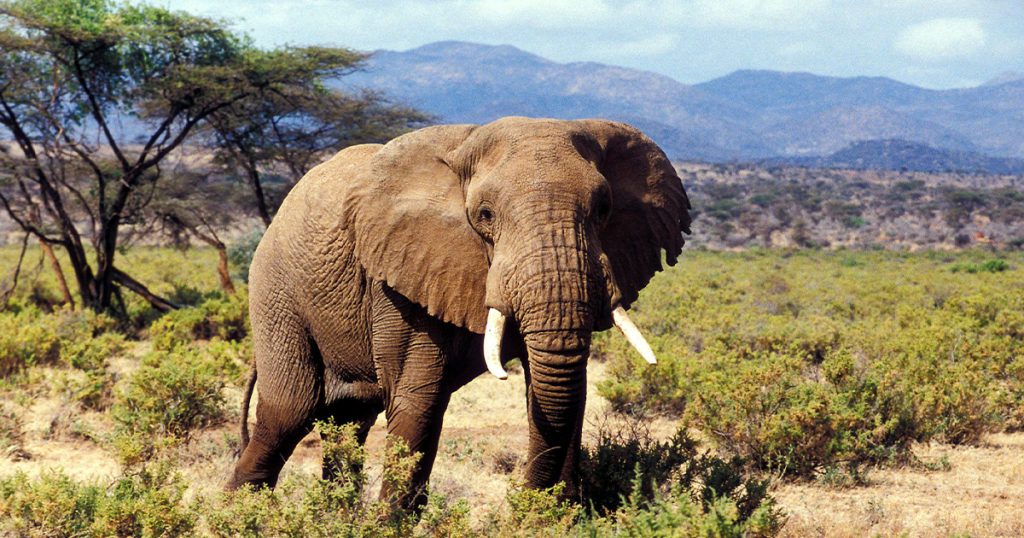
Beyond the Special Five, Samburu’s wildlife roster includes lions, leopards, cheetahs, elephants, buffalo, hippos, crocodiles, and an exceptional diversity of plains game and waterbirds that collectively create a wildlife experience of remarkable richness and consistent productivity. The reserve’s elephant population is particularly notable large family herds congregate along the Ewaso Ng’iro River in numbers and with a behavioral accessibility that makes Samburu one of the finest elephant observation destinations in Kenya.
Activities to do in Samburu National Reserve.
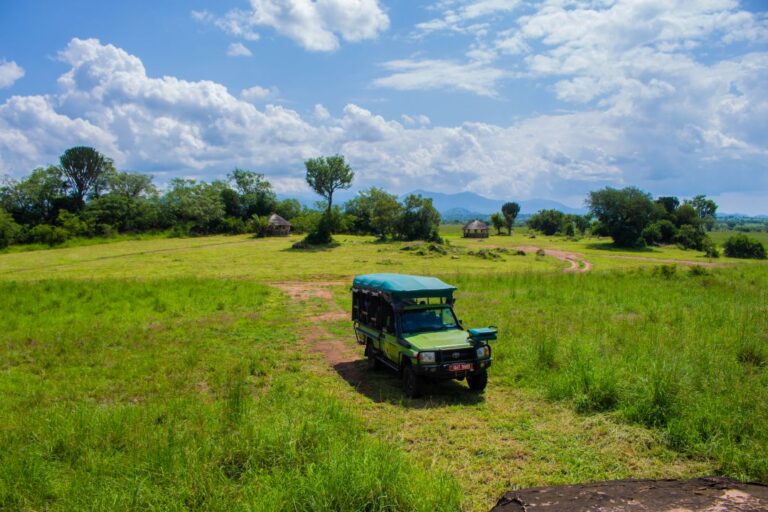
Game Drives along the Ewaso Ng’iro River and across the reserve’s open plains and acacia woodland deliver the core Samburu safari experience early morning and late afternoon drives guided by experienced Samburu naturalists whose knowledge of individual animal territories, behavioral patterns, and the ecological relationships that sustain the reserve’s wildlife provide a depth of interpretive insight that elevates game viewing from sightseeing into genuine wildlife education.
Night Game Drives available through several of the reserve’s private conservancy camps operating on private land adjacent to the national reserve where night driving regulations do not apply offer a fundamentally different dimension of the Samburu wildlife experience, revealing the leopards, genets, civets, porcupines, and other nocturnal species that are entirely absent from the daytime game drive landscape.
Walking Safaris guided by experienced rangers provide an intimacy of engagement with the Samburu landscape its plants, insects, tracks, and ecological processes that no vehicle-based activity can replicate, and introduce a physical and sensory dimension to the safari experience that many travelers find the most personally memorable element of their entire visit.
Camel Safaris offered by several camps in the Samburu area provide a culturally resonant and physically distinctive way of exploring the semi-arid landscape surrounding the reserve moving through the terrain at a pace and from a perspective that connects visitors to the traditional pastoral culture of the Samburu people in a genuinely meaningful way.
Samburu Cultural Visits to traditional manyatta homesteads in the communities surrounding the reserve offer guided encounters with Samburu pastoral culture including traditional dance, beadwork, medicinal plant knowledge, and the social structures that govern Samburu community life that add an irreplaceable human dimension to a wildlife-focused safari itinerary.
Bird Watching in Samburu rewards ornithologically inclined visitors with sightings of Somali bee-eater, vulturine guineafowl, golden-breasted starling, Donaldson-Smith’s nightjar, and numerous other arid-zone specialists that make the reserve a destination of genuine significance for serious birders.
Best time to visit Samburu National Reserve.
Samburu National Reserve offers rewarding wildlife safari viewing throughout the year a circumstance that reflects the Ewaso Ng’iro River’s role as a permanent water source that retains wildlife within the reserve regardless of seasonal rainfall patterns. The dry seasons January through March and June through October concentrate wildlife most densely along the river and offer the most consistently productive game viewing conditions, with clear skies, firm tracks, and reduced vegetation cover improving both visibility and vehicle accessibility across the reserve.
Also, the wet seasons April through May and November through December can be of lush green vegetation, dramatic skies, and the arrival of migratory bird species that significantly offers the reserve’s already impressive avifauna. Wildlife is more dispersed during these periods as water becomes available across a wider area, but the landscape’s visual beauty reaches its peak and the sense of the reserve in full biological productivity is deeply satisfying for the nature-oriented traveler.
Where to Stay in Samburu National Reserve.
Sasaab Lodge located on a hillside above the Ewaso Ng’iro River with sweeping views across the reserve is widely regarded as one of the finest safari lodges in northern Kenya. Its nine open-fronted tented suites, each with a private plunge pool and uninterrupted river views, combine Moroccan-influenced design with the warmth of Samburu hospitality in a property that has set the standard for luxury in this region. The lodge’s community conservation programs and its support for the Samburu people whose land it occupies reflect a commitment to responsible tourism that gives the luxury experience an ethical depth that many travelers find deeply satisfying.
Elephant Bedroom Camp is an intimate, owner-managed tented camp positioned directly on the banks of the Ewaso Ng’iro River close enough that elephants, hippos, and crocodiles are regularly observed from the camp’s open dining and lounge areas. Its twelve spacious tents, excellent cuisine, and outstanding guiding team have earned it a reputation among safari connoisseurs as one of the most atmospherically perfect small camps in Kenya.
Samburu Intrepids Camp offers a well-established luxury tented camp experience within the reserve boundary combining comfortable, well-appointed tents with excellent game drive programs, cultural activities, and the kind of attentive, personalized service that makes a multi-night stay feel genuinely restorative as well as wildlife-rich.
Larsen’s Tented Camp one of Samburu’s most historic and beloved properties sits in a private concession within the reserve along the river and offers a classic East African tented camp experience of considerable charm and consistent quality, with guiding of long experience and deep local knowledge.
How to get to Samburu National Reserve.
Samburu National Reserve is located approximately 350 kilometers north of Nairobi in Samburu County. The quickest and most popular way to reach the safari for visitors is by taking a domestic scheduled or chartered flight from Wilson Airport in Nairobi to Samburu Airstrip.
Air transport: The flight takes about 45 minutes, which saves several hours of traveling by road and brings visitors straight to the reserve, allowing them to spend more time on wildlife activities.
Road transport: Travelling by road from Nairobi via the Nanyuki, Isiolo highway will take roughly four to five hours, and the route offers beautiful scenery of the central highlands and the Mount Kenya foothills. It is a very landscape, rich journey which many selves, drive tourists find rewarding as it benefits in a significant way from its locality alone. The road condition is generally good up to Isiolo although the last part of the way leading to the reserve only a 4, wheel, drive vehicle capable of handling unpaved roads.
Private air charter transfers and road pickups are usually arranged by most luxury lodges as part of their guest arrival services. Therefore, the most convenient and hassle, free way of getting to this amazing part of northern Kenya is by arranging transfers directly through your chosen accommodation or safari operator.
Samburu National Reserve rewards every traveler who makes the journey north with a safari experience of genuine originality wilder, quieter, and more ecologically distinctive than anything the southern circuit delivers, and infused throughout with the particular magic of a landscape and a people that feel, unmistakably and memorably, like the authentic, unmediated heart of wild Kenya.