Geographical Splendor and Natural Landmarks
Tanzania’s geography encompasses extraordinary landscapes, creating Africa’s most spectacular scenery. Mount Kilimanjaro, Africa’s highest peak at 5,895 meters, dominates the northeastern skyline as the world’s highest freestanding mountain. This dormant stratovolcano attracts thousands of trekkers annually attempting to reach Uhuru Peak, experiencing climate zones from tropical rainforest through alpine desert to arctic conditions.
Tanzania borders three of Africa’s Great Lakes, each contributing significantly to the national ecology and economy. Lake Victoria, Africa’s largest lake, forms the northern border, supporting vital fisheries for millions. Lake Tanganyika, along the western border, ranks as the world’s second-deepest and longest freshwater lake, containing approximately 16% of Earth’s available freshwater. In addition, Lake Nyasa, also known internationally as Lake Malawi, forms the southwestern border and hosts remarkable biodiversity, including hundreds of endemic fish species.
The Great Rift Valley runs through Tanzania, creating dramatic escarpments, volcanic highlands, and numerous smaller lakes. This tectonic feature shaped Tanzania’s topography, created spectacular national park settings, and preserved humanity’s most important fossil records.
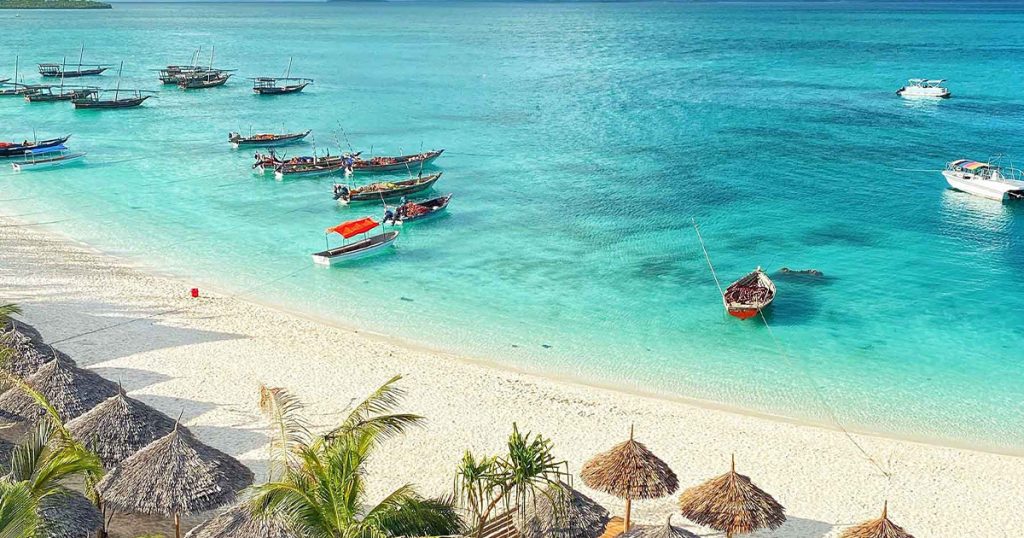
The Zanzibar Archipelago off Tanzania’s Indian Ocean coast adds a tropical paradise to geographical diversity. Islands like Unguja and Pemba feature pristine beaches, coral reefs, historic Stone Town with Arab-influenced architecture, and spice plantations that once made Zanzibar a crucial hub in historic spice trade routes.
World-Class Wildlife and Safari Experiences
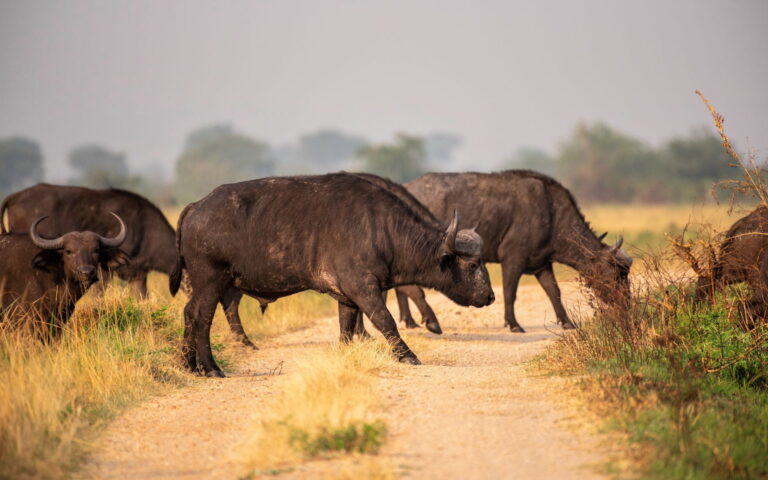
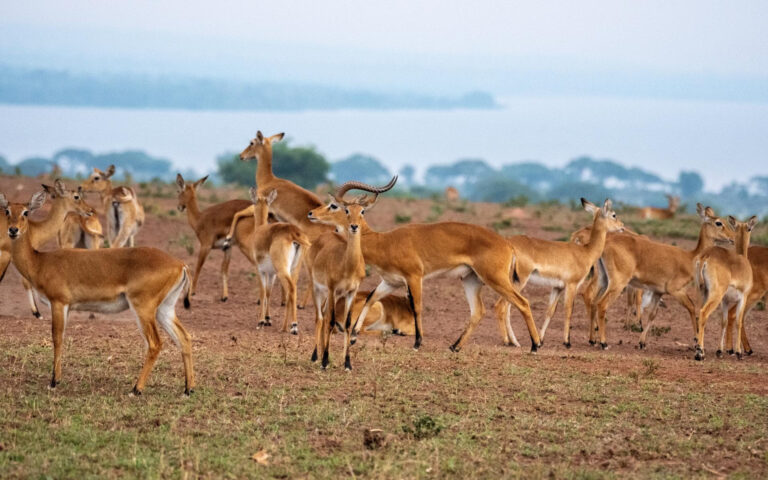
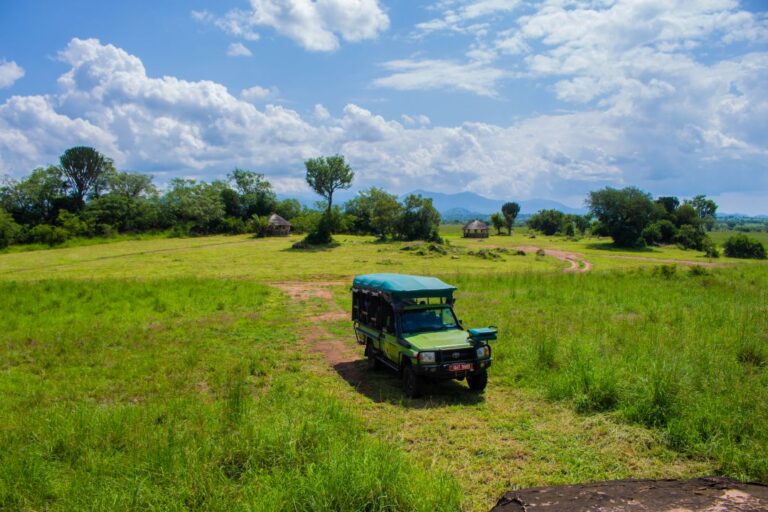
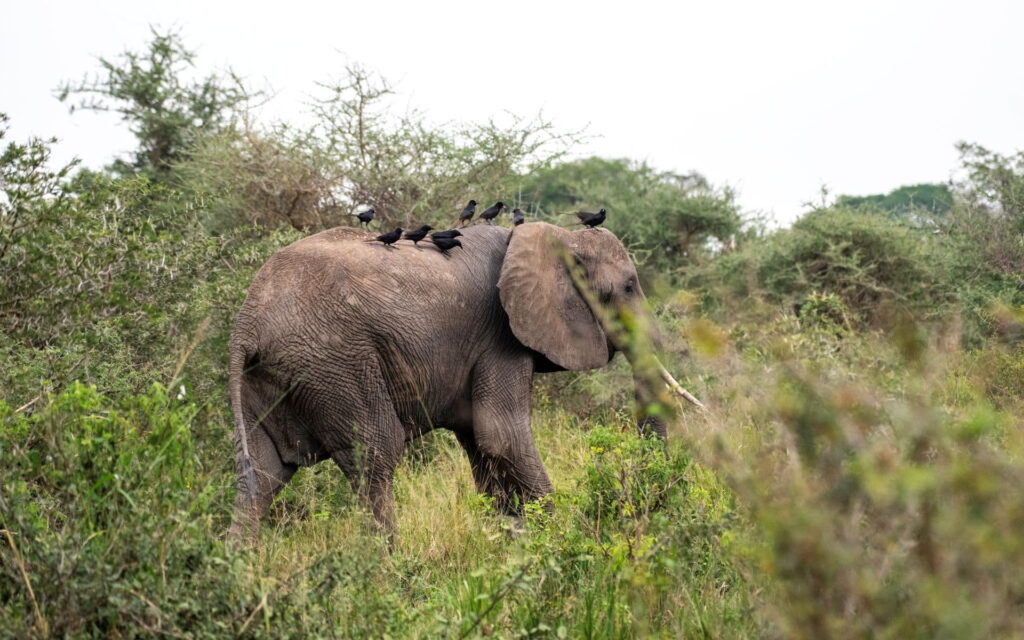
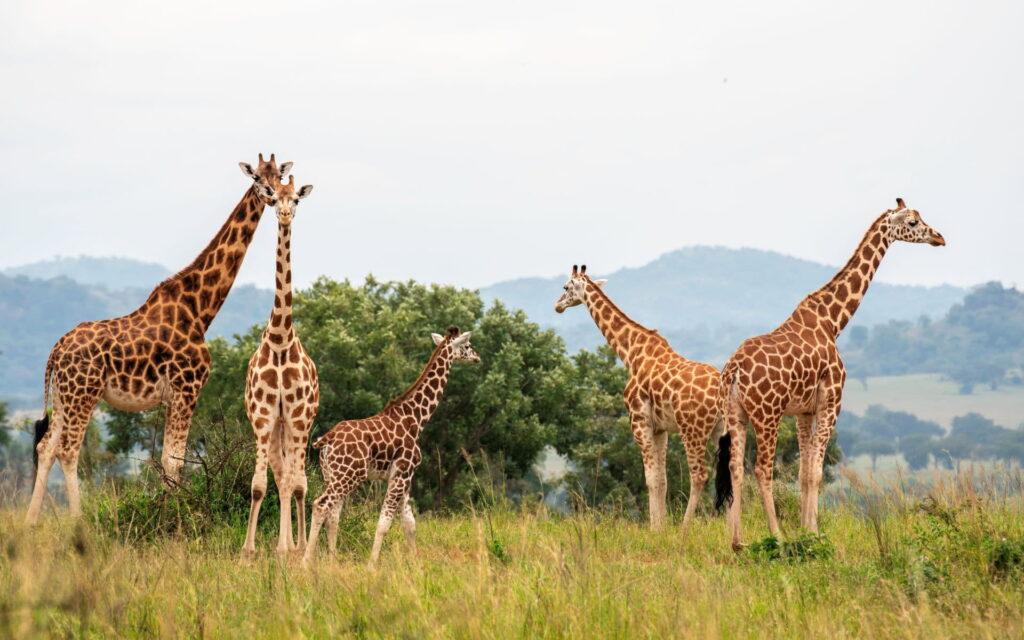
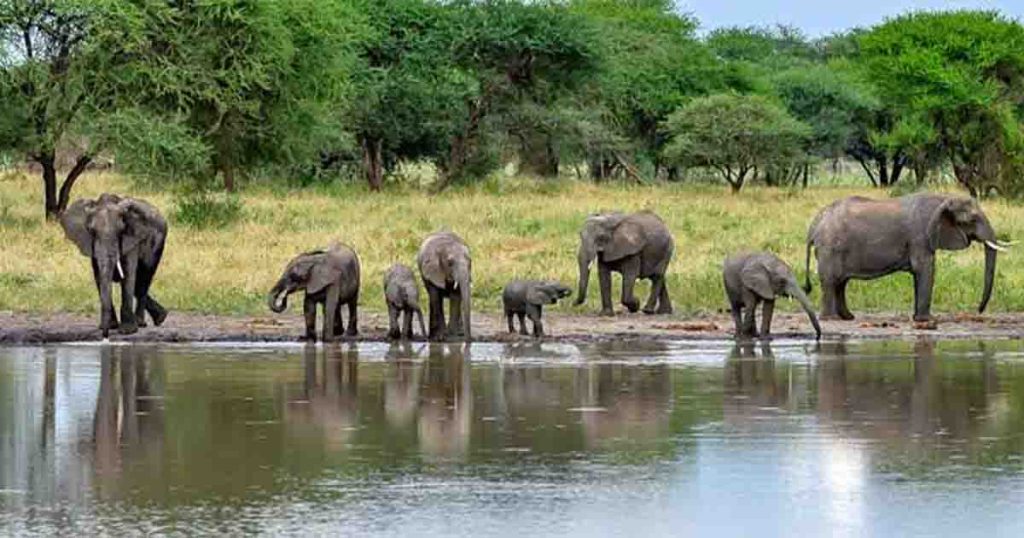
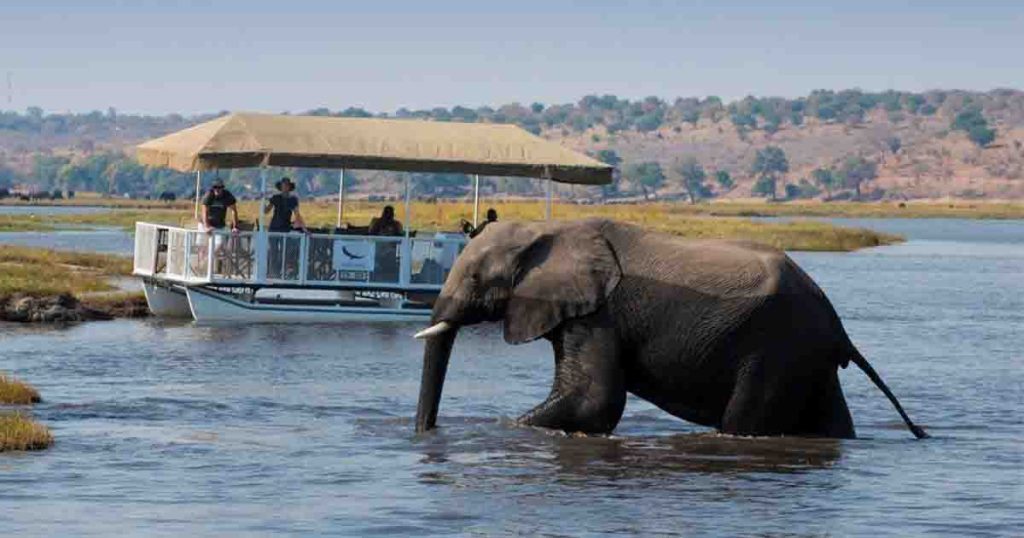
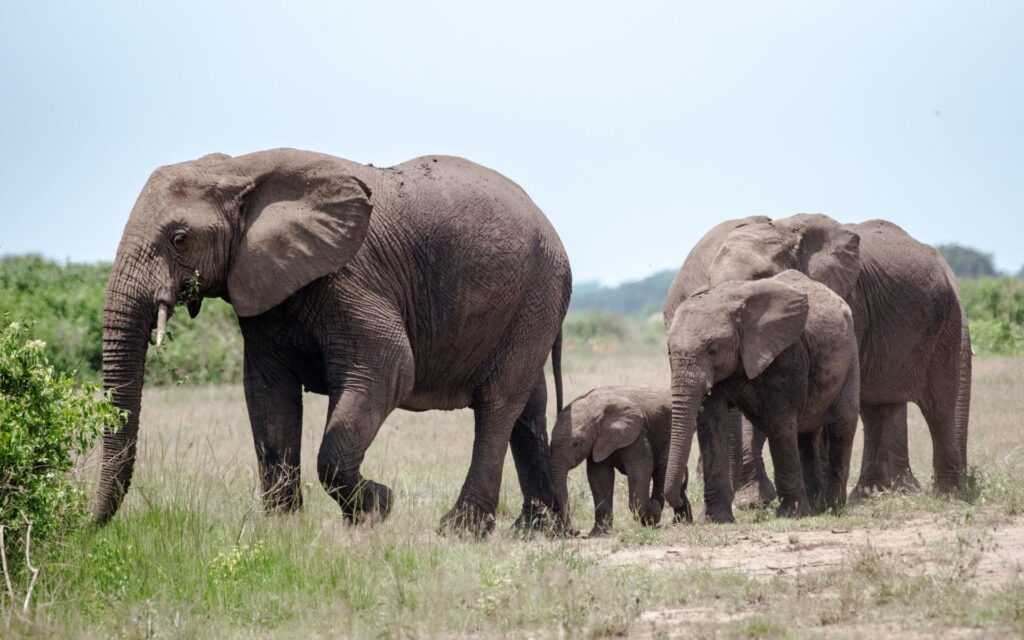
Tanzania ranks among the world’s premier safari destinations, with approximately 38% of its land protected through national parks, game reserves, and conservation areas—one of Africa’s most significant conservation commitments ensuring wildlife thrives for future generations.
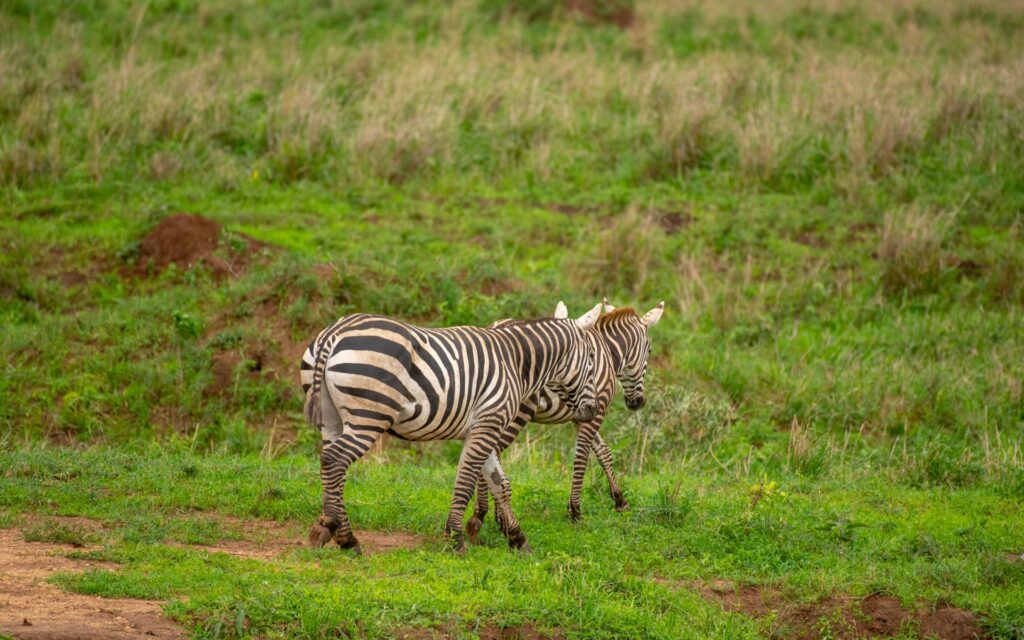
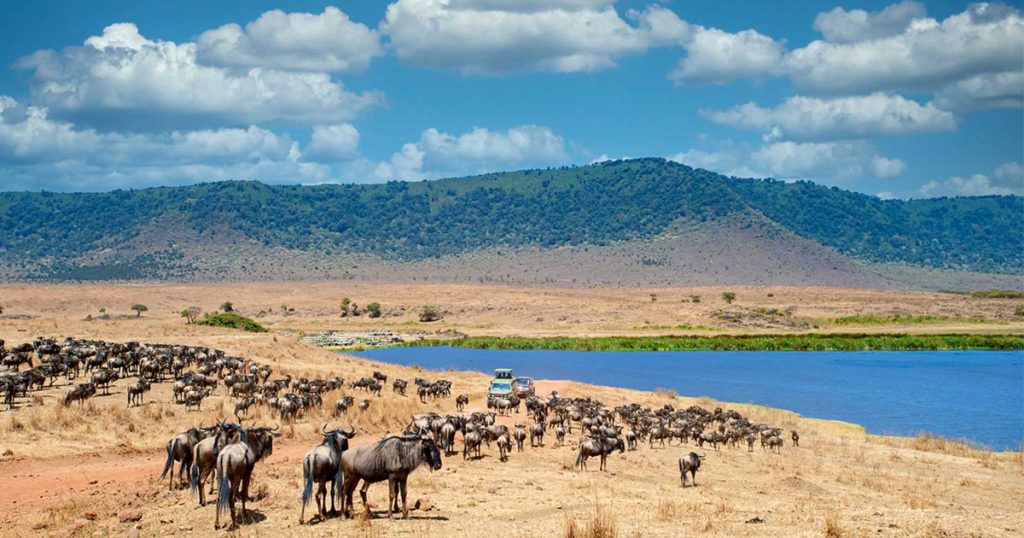
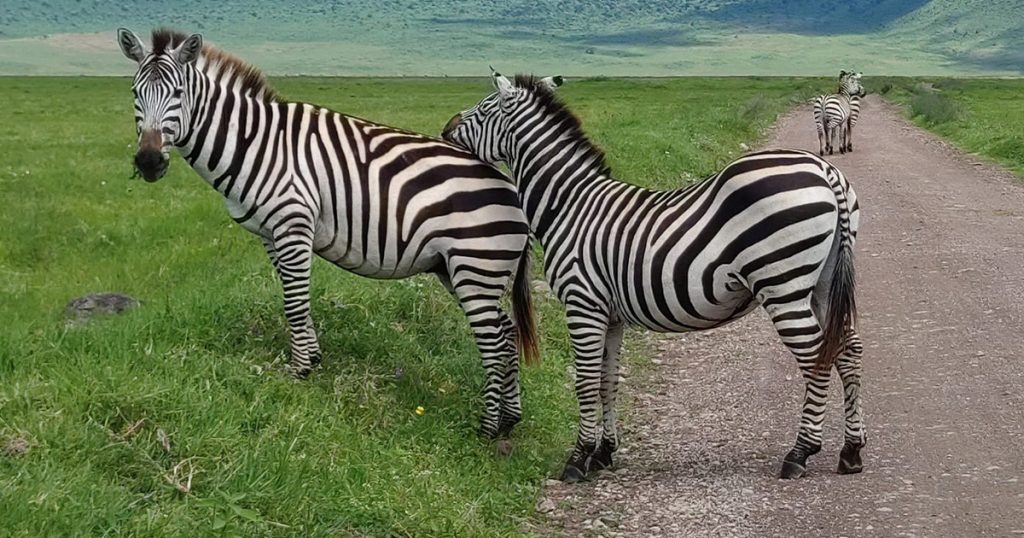
The Serengeti National Park hosts the Great Wildebeest Migration, recognized as one of the Seven Natural Wonders of Africa. This spectacular phenomenon involves over two million wildebeest, plus hundreds of thousands of zebras and gazelles, moving in a circular pattern across the ecosystem following seasonal rains. On the other hand, the migration features dramatic crocodile-infested river crossings and massive predator-prey interactions, creating nature’s greatest wildlife spectacle.
The Ngorongoro Conservation Area protects the world’s largest intact volcanic caldera, a UNESCO World Heritage Site formed two to three million years ago. This natural amphitheater, 600 meters deep and covering 260 square kilometers, hosts Earth’s highest wildlife densities, including all Big Five species and over 500 bird species.
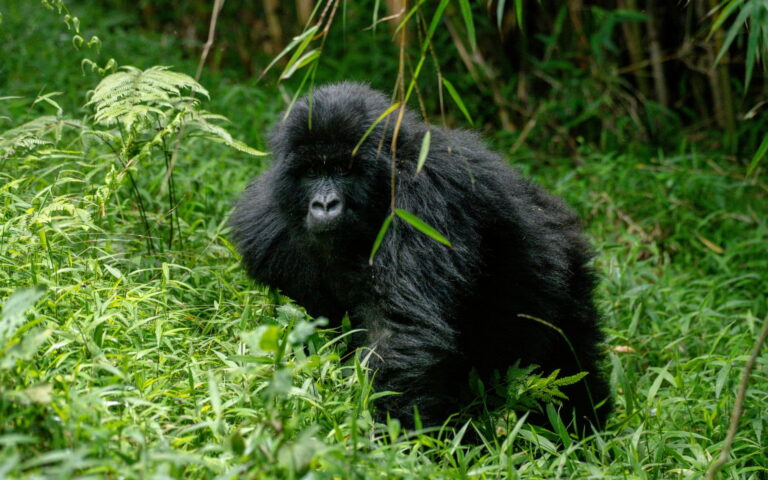
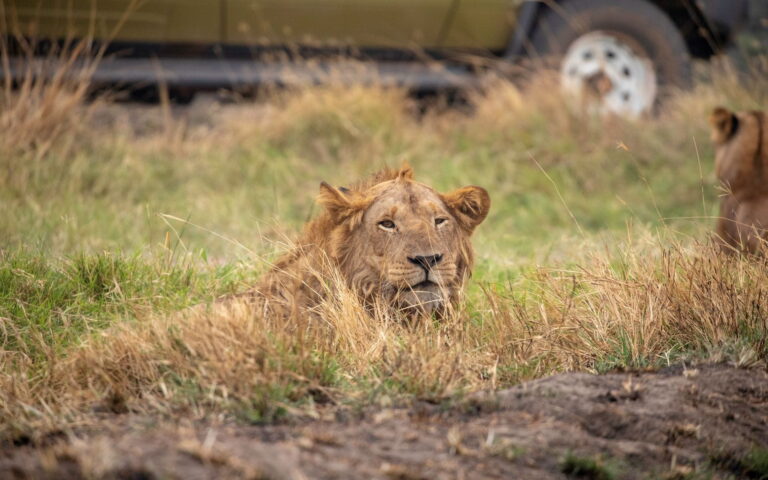
Beyond these icons, Nyerere National Park protects a vast wilderness supporting endangered African wild dogs. Gombe Stream National Park gained fame through Jane Goodall’s chimpanzee research beginning in 1960. Lake Manyara National Park showcases famous tree-climbing lions displaying behavior rarely observed elsewhere, creating remarkable photographic opportunities while puzzling scientists about this unusual adaptation.
Cultural Heritage and Historical Significance
Tanzania’s significance extends beyond natural wonders to encompass crucial human history. The Olduvai Gorge ranks among the world’s most important paleoanthropological sites, containing fossil evidence of early human ancestors spanning nearly two million years. Discoveries by Louis and Mary Leakey earned it recognition as the “Cradle of Mankind,” providing vital insights into human evolution.
The country’s cultural diversity reflects complex histories of indigenous populations, Arab traders, European colonization, and post-independence nation-building under Julius Nyerere’s ujamaa philosophy. Over 120 ethnic groups maintain distinct traditions while sharing national identity through Swahili, creating rich experiences through dances, crafts, and cuisine.
Tanzania holds unique historical distinctions. The 1896 Anglo-Zanzibar War remains history’s shortest conflict at 38-45 minutes. Zanzibar also claims Freddie Mercury, born there in 1946, as its most famous native.
Tanzania continues captivating visitors through wildlife, landscapes, cultures, and history—from mountain climbs and safaris to beach holidays—all within a politically stable, welcoming nation.