Background: The History of Fort Jesus and the Old Town.
In order to appreciate the core of Mombasa, you need to start your tour by visiting Fort Jesus. The gigantic fort dating back to the 16th century was built between 1593 and 1596 by the Portuguese and listed by UNESCO as the oldest historical site in Mombasa. Located on top of the Old Port, the fort was designed as a military fortification to guard the passage to India. The fort experienced many conquests, having changed ownership at least nine times amid battles involving the Portuguese, Omani Arabs, and the British.
At present, the fort serves as a museum with collections of ceramics, weapons, and other archaeological artifacts. Walking along its elevated battlements rewards you with panoramic views of the shimmering harbor and the modern city skyline. History buffs often recommend arriving early to avoid the midday heat and to secure the best light for photography.
Just outside the fort’s shadow lies Mombasa Old Town. Time itself appears to move slowly as you navigate the maze-like streets of this historic neighborhood. The architecture at this location presents a great visual record of the history of this ancient town through its beautifully carved Arab balconies, wooden doors that originated in India, and through architecture created by the British. The atmosphere is infused with the fragrance of cloves, cardamom, and cinnamon, emanating from the spice merchants who sell their wares in local shops. Engaging the services of a local guide for a guided walk is extremely advisable; they will be able to reveal the fascinating history of the region’s ancient mosques, Slave Market, and earliest consulates.
The Coastal Beaches: Sun, Sand, and Sea.
Mombasa is an island connected to the mainland by bridges and ferries, and its geography gifts it with access to some of the most stunning beaches in Africa. Although Diani Beach is the most internationally known, being within easy driving distance just a bit south, the beaches north of town have their own special appeal.
North of Mombasa City, one finds the lively beaches of Nyali, Bamburi, and Shanzu. These beaches have an interesting environment with various hotels and water sport firms situated directly on the coastline. Shanzu Beach is quite popular owing to its serene environment, the availability of white sand, and coconut water available from beach vendors.
Diani Beach, located some 25 km southward from Mombasa Island and accessed via the Likoni Ferry, has clean and pure white sandy beaches amidst coconut palms and coral reefs. The region is quite relaxed, and it is considered the best place for deep sea fishing, diving, and kite surfing.
The waters offshore are protected by the Mombasa Marine National Park. This conservation area guarantees the safety of the coral reef and the spectacular marine fauna such as turtles, angelfishes, and dolphins. A visit to the marine park through a cruise, be it for snorkeling or viewing from the bottom of a glass boat, is essential for any nature lover.
Taste of Mombasa: Swahili Cooking.
Any trip to Mombasa is incomplete without tasting the diverse food culture that this city has. The Swahili cooking is a delightful blend of African, Arabic, Indian, and Persian cuisines, using ingredients like coconut milk and spices along with plenty of seafood.
To have an authentic experience, one should sample the street food. Along the Mama Ngina Drive and in Old Town, you can try many delicacies that you will never forget about. For example, you should definitely try such foods as mahamri and mandazi (local sweet, soft doughnuts often used to be dipped into chai); viazi karai (gram flour covered, spicy fried potatoes); and mishkaki (grilled meat).
For a sit-down meal, do not miss the chance to try biryani or pilau (spiced rice with meat or seafood), or the famous Swahili coconut fish curry. For those seeking an authentic local joint, establishments like Bin Agil Café in Majengo are legendary for serving up dishes prepared with generations of expertise.
Things to do: The link between cruise and safari.
While beaches and history make up one part of what Mombasa has to offer, the city also offers an energetic starting point for more discovery. A frequent scenario involves arriving at Mombasa by air, staying at a resort while exploring the countryside.
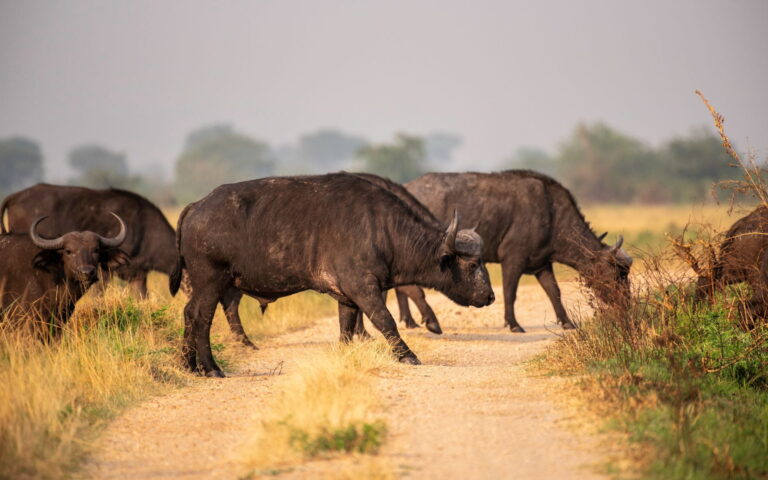
One of the most unique experiences in the city is Haller Park. Once a barren, water-logged limestone quarry, this park has been rehabilitated into a thriving ecological haven. Visitors can walk through the sanctuary, feed the resident giraffes, and see hippos, buffalo, and a large population of giant tortoises.
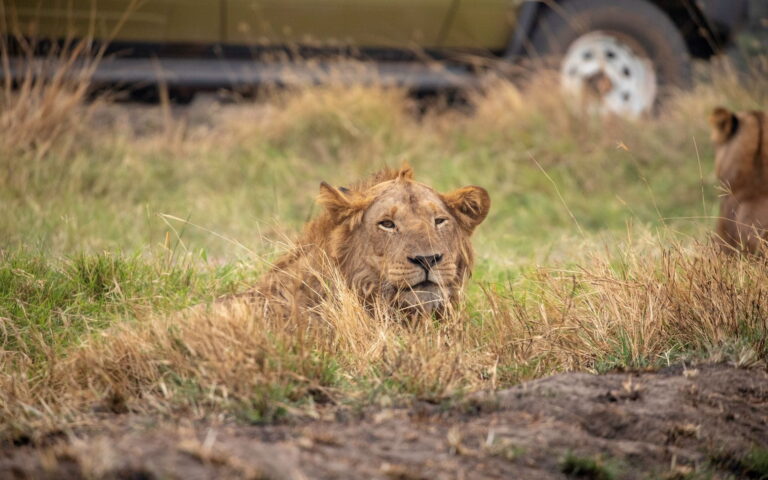
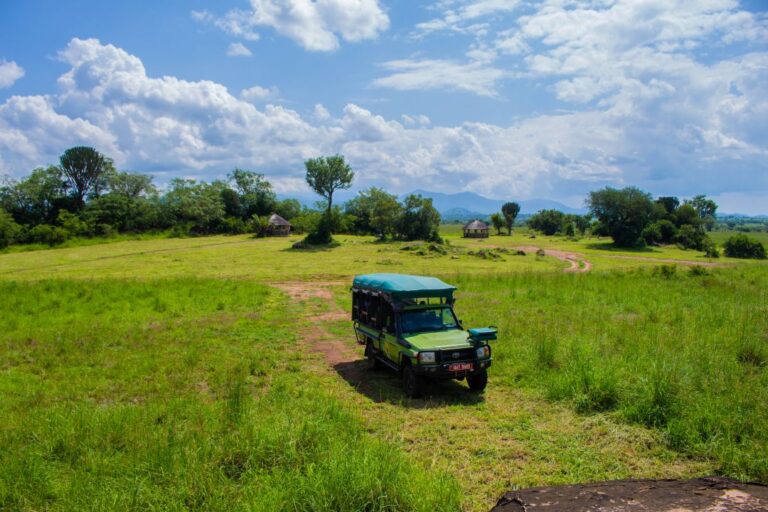
Mombasa is also keen on promoting a “cruise + safari” model. The Kenyan government has recently introduced policies encouraging cruise ship passengers docking at the port to combine their beach time with inland wildlife adventures to parks like Tsavo East and Amboseli. Even if you are not on a cruise, arranging a safari from Mombasa to these famous parks is relatively easy and offers a fantastic contrast to the coastal scenery.
Best Time to Visit Mombasa.
Mombasa has a classic tropical climate, remaining warm and humid throughout the year. However, it’s important to keep in mind that your travel timing might be crucial when determining how your vacation experience will be like.
Peak Season: (December to February and July to September) During this time, there is less rainfall, making it favorable for activities such as diving and snorkeling. It is the most expensive period and the busiest one, especially around Christmas and in July.
Short Rains (“Green”/”Shoulder” Season: November and Early December): Also referred to as the “short rains,” this is characterized by short spells of afternoon rain which will soon disappear. The weather is good, the country is very green, and there are few tourists.
Long Rains (“Low” Season: April to June): While you will encounter heavy downpours and high humidity, this is also the quietest and cheapest time to visit. Hotels often slash their prices, making it a good option for budget travelers who don’t mind carrying an umbrella.
Travel Tips.
Moving Around: The city center can be best explored using tuk-tuk, which are affordable and abundant. For longer trips to the beaches of North Coast (Nyali/Bamburi), there are many taxis as well as ride-sharing services such as Uber and Bolt.
Respectful Attire: Although the beach areas have a laid-back atmosphere, it would be appropriate to dress appropriately while stepping out of the beach area to reach the city center or the Old Town.
Health: There is much sun. SPF 50, a hat, and plenty of water are essential. Additionally, insect repellant needs to be applied in the evenings, as there are many mosquitoes.
In conclusion; Mombasa has been described as a city of opposites: old and new, port and tide. In terms of capturing the essence of the Swahili coast, no other city matches it. From navigating the narrow streets of the Old Town to basking under the Indian Ocean’s heat, everyone will find a little slice of paradise.