Diani Beach.
Diani Beach is not merely safari destination; it is an experience that lingers in the memory long after the Indian Ocean’s warm waters have dried from your skin. Located on the southern coast of Kenya, approximately a one-hour drive from the historic port city of Mombasa, Diani has evolved from a quiet fishing village into a world-class beach resort without losing its tropical soul. The location is a meeting point between the soft sand that is white in color and the clear blue waters of the ocean, where nature dominates everything through tidal movements, monsoon winds, and hospitable Swahili culture.
This guide aims at examining various aspects of Diani Beach, including natural features, water activities, and ideal visiting seasons. If you wish to have the most relaxing getaway, family vacation, or explore Kenya’s wilderness along the coast, Diani Beach is the place to be.
The Beach, Its Own Perfect Piece.
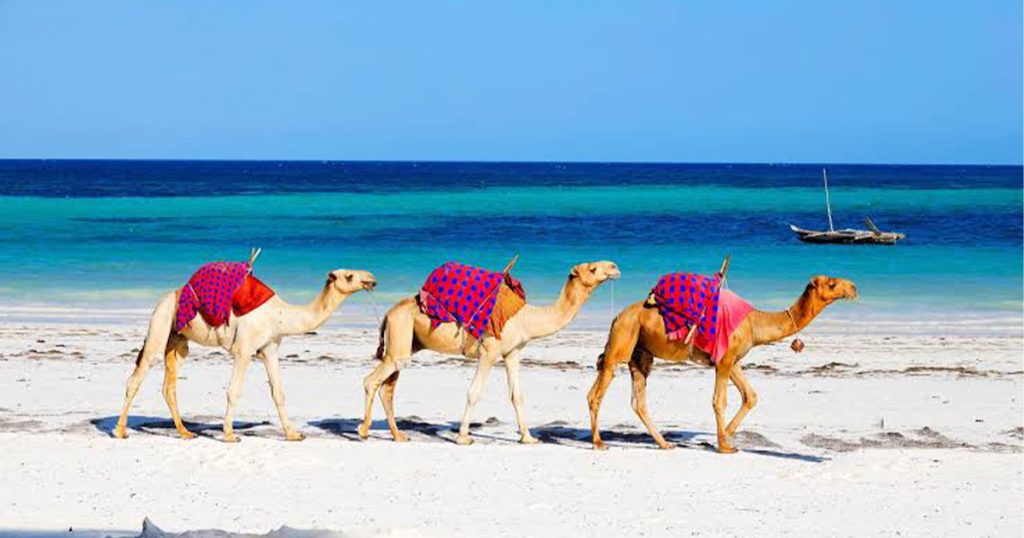
The most prominent feature on the menu here is, without doubt, the beach. Diani has more than 25 kilometers of flawless white sand, running from the Mwachema River all the way down to Gazi Bay. The sand is very soft, even cool despite its proximity to midday heat. Unlike some beaches where the drop-off is sudden and dangerous, Diani’s gentle slope into the warm Indian Ocean makes it ideal for swimmers of all ages, although visitors should note that there are no lifeguards permanently stationed along the shore.
It is a public beach, but given its vast length, finding a secluded spot is rarely a problem, even during peak seasons. There are tall palm trees and banda huts with roofs made of thatch along the coastline. It offers beautiful scenery with shade provided by trees. The beach is one of the cleanest beaches in Africa; hence, it is very family-friendly.
Along the shore, local vendors walk peacefully, offering freshly sliced pineapple, coconut, and locally made crafts. A simple smile and a polite “Asante” (thank you) go a long way, and purchasing directly from these vendors supports the local community. As dusk approaches, the once quiet huts along the beach turn into energetic cocktail bars, making an ideal place to see the sunset.
Marine Activities and Watersports.
The clear warm water of Diani makes it ideal for marine activities and watersports. The barrier reef along the coast ensures that the sea remains calm with shallow lagoons perfect for kayaking, stand-up paddling, and swimming.
The enchanting way to see the wonders of the ocean is by taking a ride on a glass-bottomed boat to either Robinson Island or the adjacent sandbanks. This will enable you to view the ocean without getting wet. Skilled local captains often perform a “captain show,” tossing food into the water to attract a dazzling array of tropical fish directly beneath the glass hull. This technique, agreed upon by local fishermen and boat operators, allows visitors to see protected species that thrive in these waters.
Beyond classic snorkeling, the beach offers jet skiing, kitesurfing, and deep-sea fishing. The consistent monsoon winds from June to September make the southern coast, particularly around Galu Beach (adjacent to Diani), a world-renowned spot for kitesurfing.
Cultural and Eco-Friendly Tourist Destinations.
The ocean might be the major attraction but Diani’s hinterland holds a number of interesting activities for tourists. Just some minutes away from the beach, tourists can visit the Kaya Kinondo Sacred Forest. This is one of the few surviving coastal lowland forests left in East Africa and is safeguarded by the local Digo community. Tourists can walk around the sacred forest and learn more about traditional knowledge on healing plants as well as eco-friendly practices of the Mijikenda community.
For wildlife enthusiasts, Shimba Hills National Reserve is a short drive inland. This reserve is a home for elephants, giraffes, antelopes, and leopards, and it is famously home to a rare population of sable antelope. Rolling hills and dense rainforest offer a different safari experience compared to the more arid parks further north. Alternatively, Visitors can tour the center and see these beautiful white and black colobus monkeys up close in a natural setting.
For a taste of local nightlife and cuisine, visiting Ali Barbour’s Cave Restaurant is very important. It is constructed into a natural coral cave estimated to be over 120,000 years old, the restaurant offers a unique atmosphere. By night, the ceiling is open to the stars, and the menu specializes in fresh seafood and grilled meats. The main Diani Beach Road runs parallel to the shore and is lined with shops, art galleries like the Diani Beach Art Gallery, and a variety of eateries serving everything from goat curry to wood-fired pizza.
Accommodation For Everyone.
From budget travelers and backpackers to honeymoon couples wanting luxury, Diani has a lot more to offer everyone in terms of accommodation. You will find all sorts of places ranging from villas to boutique hotels to big resorts.
For people looking for complete resort facilities, there are places like Diani Reef Beach Resort & Spa that provides you with 143 rooms and suites on four floors within its complex on a coral plateau with stunning views of the Indian Ocean. It has many different pools including an adult only pool, a gymnasium, and numerous other recreational activities including billiards and golf. The resort also boasts an impressive array of dining venues, including the Coral Rock Cafe for international buffets and Fins Seafood Restaurant for Mediterranean-inspired seafood dishes.
The other notable one is the Diamonds Leisure Beach & Golf Resort. It’s a 4-star establishment that’s especially sought after by tourists who like golfing because of the presence of an 18-hole golf course. In addition, there’s a kids’ club and a swim up bar in the resort. The hotel has been constructed on coral rock and provides spectacular scenery and privacy even though it’s located in the heart of Antigua. A number of positive reviews mention the “All Inclusive Plus” deal which includes green fees and spa treatments.
For travelers seeking a more intimate vibe, there are countless private villas and boutique hotels. Baobab Beach Resort & Spa and The Sands at Nomad are other highly-rated options known for their service and direct beach access. Regardless of budget, visitors will find that Diani’s hospitality is consistently warm and welcoming.
Logistics and Getting Around Diani.
Accessibility is one of Diani’s strong suits. While you can drive from Mombasa (approximately 1 hour) using the Likoni Ferry, the most convenient option for international tourists is flying into Ukunda Airstrip. This small airport is serviced by domestic carriers (such as Safarilink and Skyward Express) with daily flights from Nairobi’s Wilson Airport, cutting out the Mombasa traffic. Safari tour operators like WildApes Safaris often provide private transfers directly from the airstrip to the hotels.
Once in Diani, the main modes of transport are tuk-tuks (auto-rickshaws). These three-wheeled vehicles are the lifeblood of the local transport system. They are cheap, plentiful, and able to navigate the main Diani Beach Road and side streets with ease. Taxis are also available for longer trips or airport transfers. The area is quite walkable if you stay near the main commercial strip, but hiring a tuk-tuk for a few hundred shillings is the standard way to get from your resort to the restaurants and shops.
When to Visit Diani Beach.
Timing your visit to Diani largely depends on your tolerance for rain and heat. Unlike the wildlife parks which peak in the dry (June-October), Diani has a slightly different rhythm.
The high season runs from December to March. This period offers the driest weather, with plenty of sunshine, low humidity, and warm ocean temperatures averaging 28–30°C. February is particularly lively, as it hosts the annual Diani Regatta and Cultural Festival, a celebration of boat racing and local culture that brings the beach to life. However, this is also the most expensive time to visit.
The ‘long rains’ come between April and July. While the weather is more unpredictable and humidity rises, this “green season” offers solitude. The landscape is lush, the waterfalls in nearby Shimba Hills are flowing, and accommodation prices drop significantly. However, sea conditions can be rougher, and some water activities might be limited.
The ‘short rains’ in November are generally brief afternoon showers that clear up quickly, leaving the rest of the day sunny. The mid-year peak (August to October) is also a fantastic time to visit. The wind is up (perfect for kitesurfing), the crowds are smaller than the December peak, and the ocean remains warm, averaging 24–25°C.
Safety and Practical Tips for Travelers.
Diani Beach is considered one of the safest tourist safari destinations in Kenya. However, standard travel precautions apply; that is avoid walking alone on deserted stretches of beach in the darkness, and always use registered transport or hotel taxis for late-night travel.
Packing essentials include high-SPF biodegradable sunscreen (to protect the marine environment), insect repellent for the evenings, light cotton clothing, and a hat. While card payments are accepted in hotels and luxury restaurants, carrying some Kenyan Shillings in cash is highly recommended for artisans at the market, tuk-tuk drivers, and smaller local eateries.
Diani Beach is more than a destination; it is worth to be explored; It is the feeling of sand beneath your feet and the breeze from the leaves of the palms. Diani Beach has made the perfect mixture of beach life and culture through adventure, which makes it the crown jewel of the Swahili coast.