06:00 am Arrival.
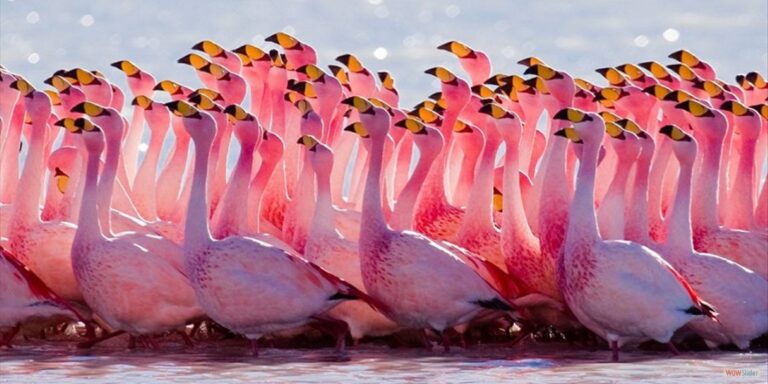
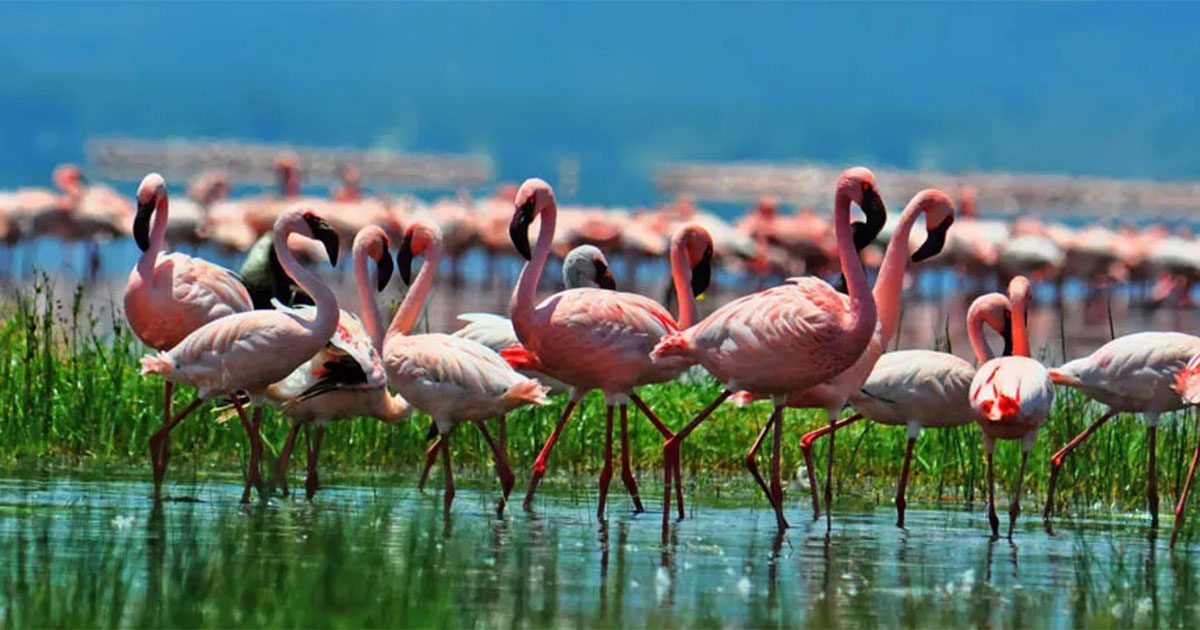
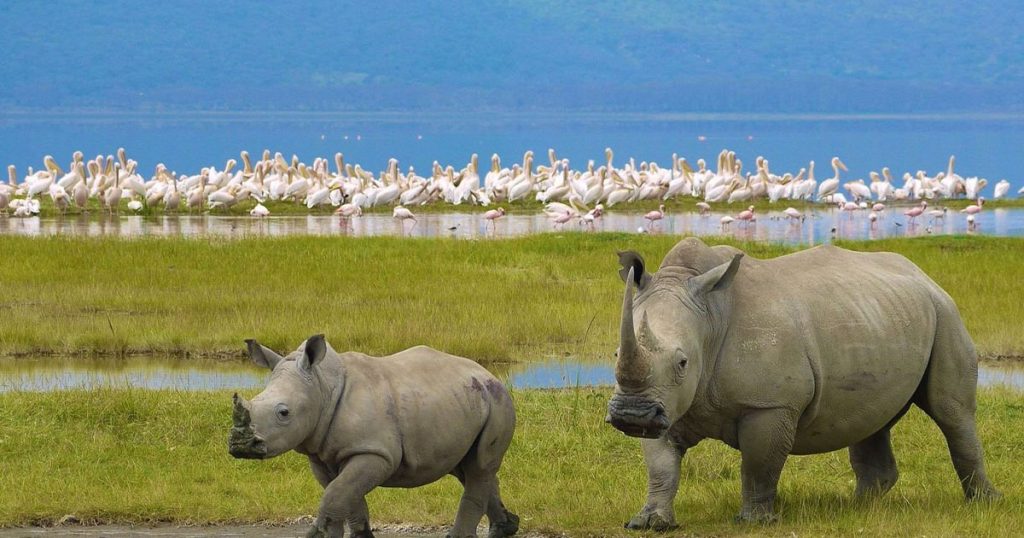
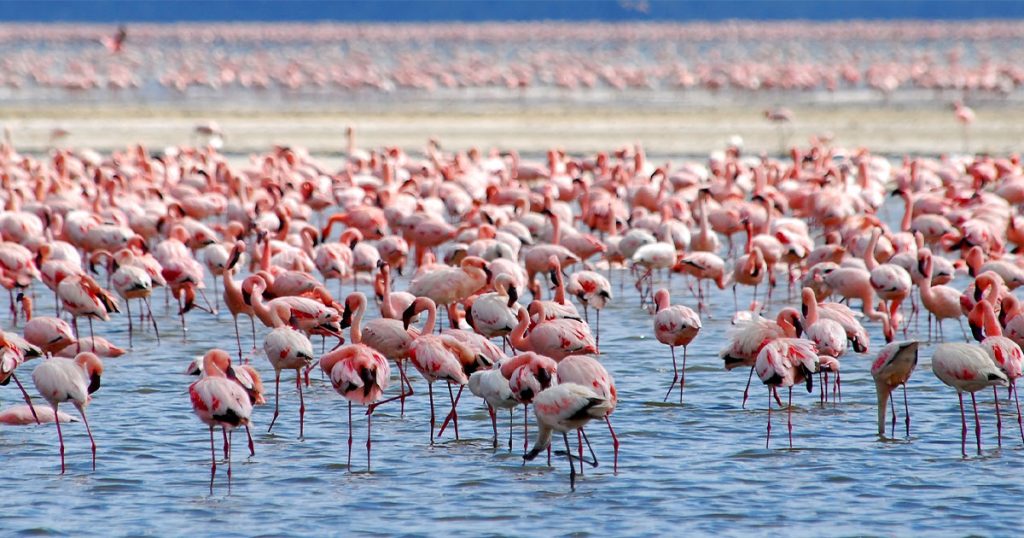
Arrive at the main gate right at opening time. Head straight to the northern or eastern lakeshores to capture the sunrise reflecting off the water. This is the best lighting experience to photograph greater and lesser flamingos, great white pelicans, and elegant pied avocets wading in the shallows.
10:00 am Acacia Woodlands Exploration.
As the sun gets higher and harsher, move into the shade of the fever-tree forests. These woodlands are bustling with colorful species like the Rüppell’s glossy starling, lilac-breasted roller, green wood-hoopoe, and Narina trogon. It is also an excellent time to keep an eye out for leopards resting in the branches.
01:00 pm Baboon Cliff Viewpoint.
Head up to the elevated rocky ridges for a late lunch box break. The cliffs offer a panoramic view of the entire lake and are great for photographing soaring birds of prey, such as the Verreaux’s eagle, augur buzzard, and long-crested eagle utilizing the thermal updrafts.
03:00 pm Southern Grasslands and Wildlife.
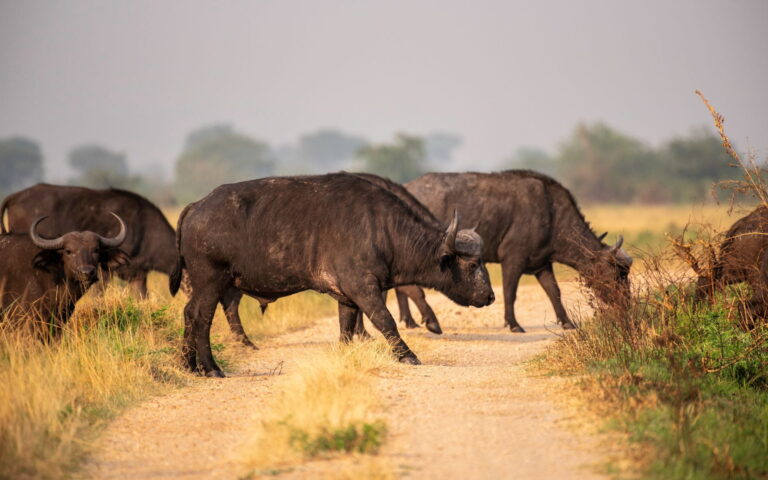
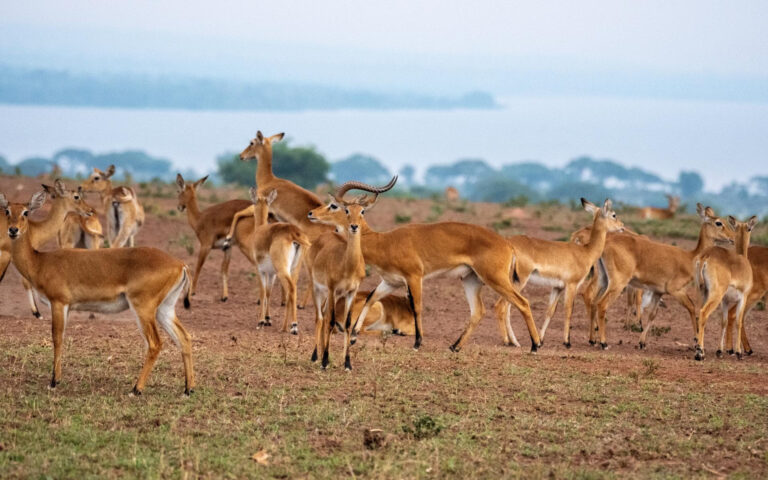
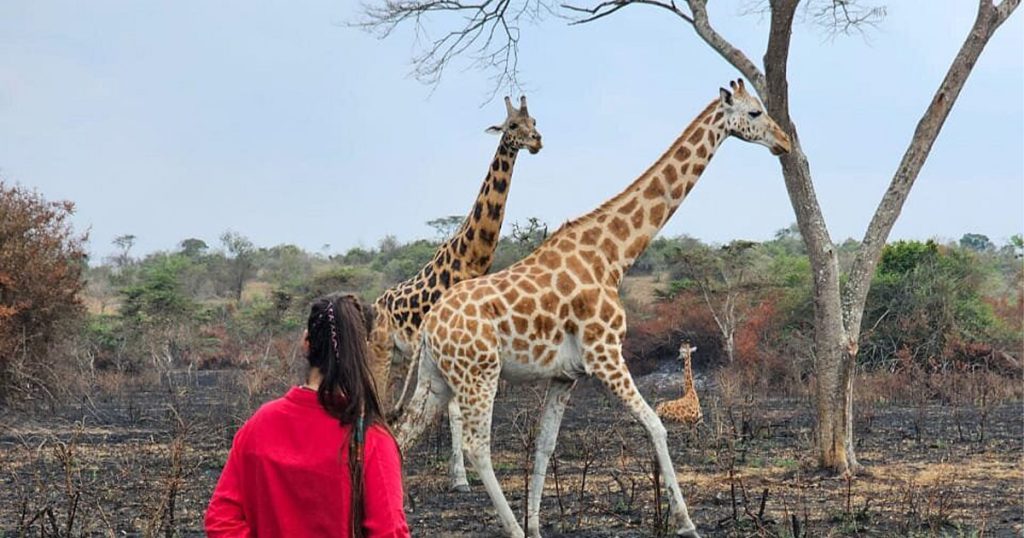
Spend the late afternoon spotting the southern floodplains. This area provides clean backdrops for clean wildlife portraits. You can easily spot and photograph endangered white and black rhinos, Rothschild’s giraffes, and large herds of Cape buffaloes against the open scenery.
05:30 pm Last Light at the Lake.
Conclude your day back near the water’s edge to capture striking silhouettes of waterbirds against the African sunset before exiting the park by 06:30 pm.
06:00 am Arrival.
10:00 am Acacia Woodlands Exploration.
01:00 pm Baboon Cliff Viewpoint.
03:00 pm Southern Grasslands and Wildlife.
05:30 pm Last Light at the Lake.
- Lighting Conditions and Water Reflection.
The white, alkaline crust around Lake Nakuru reflects intense sunlight, which can completely blow out highlights in your photos between 11:00 AM and 03:00 PM.
Prioritize your target bird photography during the first two hours of the morning and the last hour before sunset. Utilize a circular polarizing filter to manage the heavy water glare and saturate the sky.
- Specialized Camera Gear.
A telephoto lens of at least 400mm to 600mm (or a matching teleconverter) is essential. While flamingos can occasionally be close to the tracks, many wading birds keep their distance in the mudflats.
- Shift in Flamingo Populations.
Due to rising water levels in recent years, the water’s salinity has fluctuated. The massive, millions-strong carpets of flamingos occasionally shift away to nearby lakes like Bogoria or Elementaita if the algae supply drops.
Always check local birding reports a day or two before your trip to understand current flock concentrations so you can adjust your expectations. Even when flamingo numbers are lower, the pelican and stork populations remain spectacular.
- Vehicle Choice.
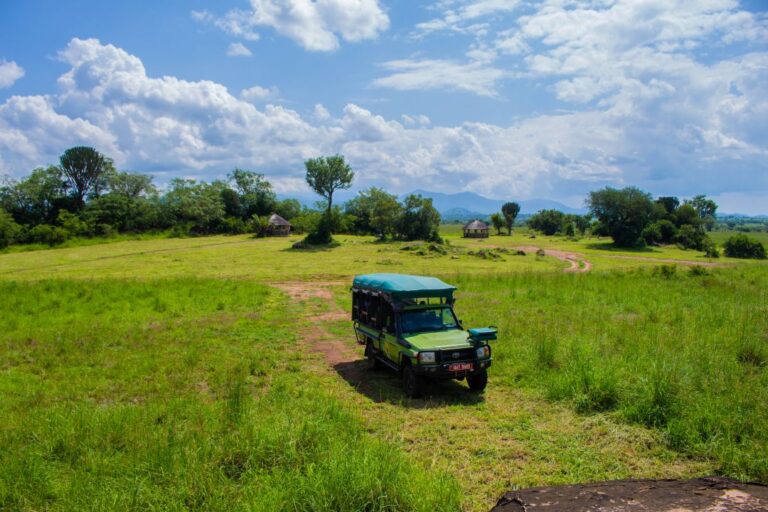
Ensure you book a 4×4 safari vehicle with a fully opening pop-up roof or large sliding windows, allowing you to shoot at eye level with perched raptors and tree-dwelling birds.