Day 1: Nairobi to Lake Naivasha (via Limuru Wetlands).
Depart Nairobi in morning. Your first photographic stop is the Limuru Ponds to capture clear shots of highland waterbirds like the Maccoa Duck and Hottentot Teal. Proceed into the Rift Valley to Lake Naivasha. Spend the afternoon on a private boat safari, utilizing low-angle water perspectives to photograph diving African Fish Eagles, Malachite Kingfishers, and nesting colonies of Great Cormorants. Dinner and overnight stay.
Day 2: Lake Naivasha to Lake Nakuru National Park.
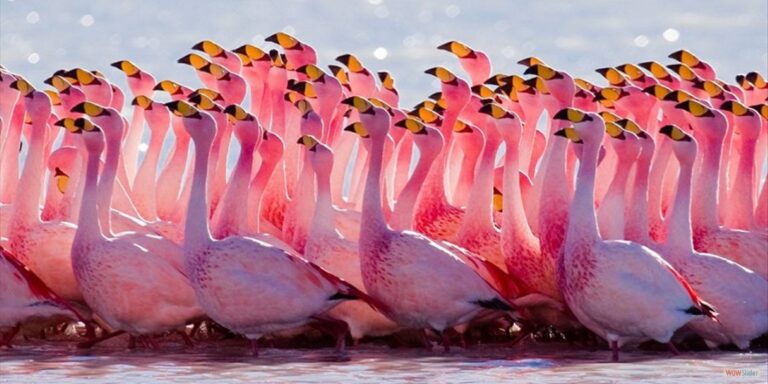
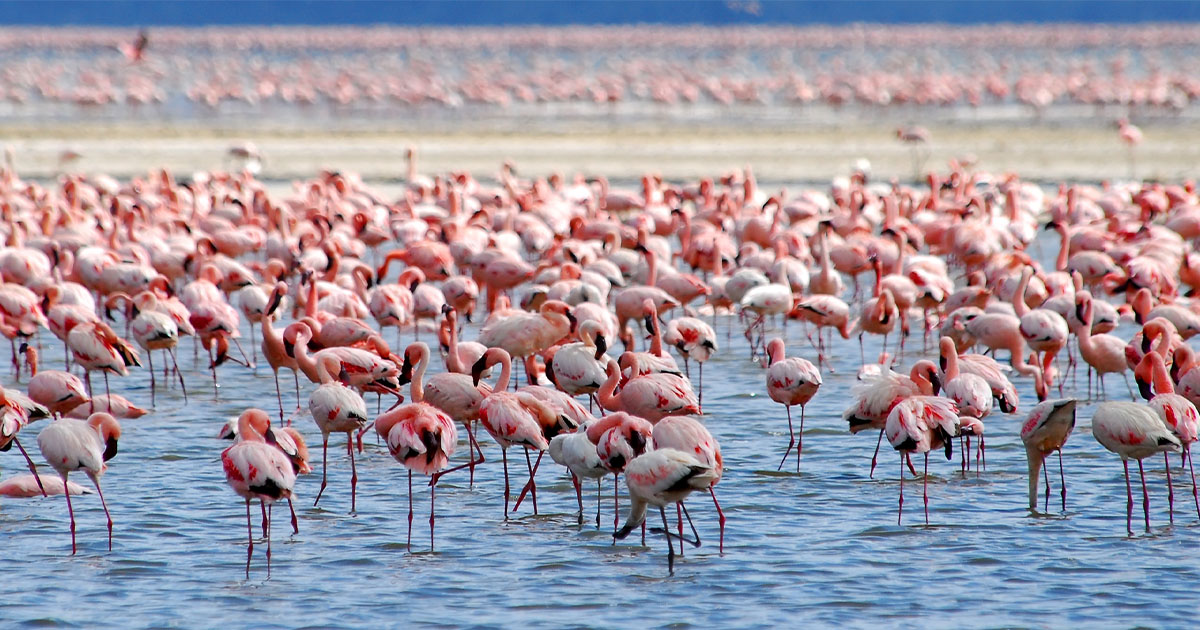
In the morning head north to Lake Nakuru National Park. Focus your morning on the sprawling alkaline mudflats, tracking the pink hues of Greater and Lesser Flamingos and massive rafts of Great White Pelicans. In the afternoon light, track through the yellow-fever acacia woodlands to photograph the iridescent Rüppell’s Glossy Starling, Green Wood-Hoopoe, and endangered White Rhinos. Dinner and overnight stay.
Day 3: Lake Nakuru to Lake Bogoria and Lake Baringo.
After breakfast in the morning drive further north to the dramatic landscapes of Lake Bogoria, famous for its bubbling geysers and massive congregations of migratory waterbirds. After capturing action shots of birds against the steam, continue to the freshwater haven of Lake Baringo. Start on a late afternoon boat trip to photograph specialized northern species and target the African Fish Eagle hunting in flight.
Day 4: Full Day at Lake Baringo.
Spend the day exploring Baringo’s unique habitats. Take an early morning walk along the rocky basalt cliffs with a local tracker to locate and photograph elusive nocturnal species, including the Verreaux’s Eagle-Owl, Northern White-faced Owl, and Slender-tailed Nightjar. Use the afternoon to target brightly colored Jackson’s Hornbills and beautiful sunbirds in the bush. Dinner and overnight stay.
Day 5: Lake Baringo to Kinangop Plateau to Nairobi.
Leave Baringo early and ascend into the misty, high-altitude montane grasslands of the Kinangop Plateau. This specialized ecosystem is the best location to locate and photograph Kenya’s rarest endemic: Sharpe’s Longclaw. You will spot the tussocks for specialized cisticolas before driving back to Nairobi for your evening international flight departure.
Day 1: Nairobi to Lake Naivasha (via Limuru Wetlands).
Day 2: Lake Naivasha to Lake Nakuru National Park.
Day 3: Lake Nakuru to Lake Bogoria and Lake Baringo.
Day 4: Full Day at Lake Baringo.
Day 5: Lake Baringo to Kinangop Plateau to Nairobi.
Park regulations strictly forbid stepping out of your vehicle in Lake Nakuru and most park areas. You will be composing and shooting your images almost entirely from inside your safari truck.
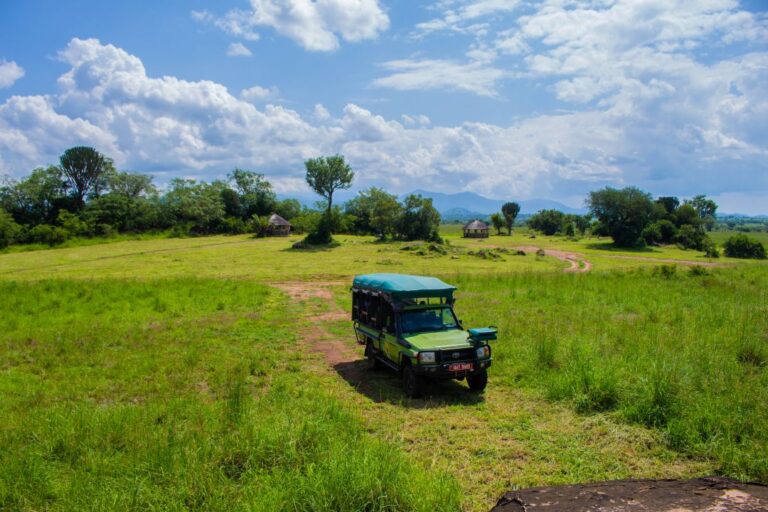
Ensure you book a 4×4 safari cruiser with a fully opening pop-up roof or large, unobstructed sliding windows. Leave your heavy tripods packed away for these days; instead, bring a high-quality, heavy-duty window-mount beanbag to stabilize your 400mm to 600mm telephoto lenses.
Shoot intensively during the first two hours of daylight and the final hour before evening. Equip your lenses with circular polarizing filters to cut down on harsh water reflections and protect your highlights. Shift your mid-day focus to the shaded acacia woodlands or forest fringes where lighting is manageable.
This 5-day route transitions rapidly between wildly different environments. The floors of the Rift Valley (Nakuru and East Africa’s northern lakes) can be punishingly hot, dry, and intensely dusty. Conversely, the high-altitude Kinangop Plateau sits above 2,500 meters, where freezing mornings, heavy mist, and sudden downpours are common.
Waterbirds taking off, diving raptors, and small, erratic bush-dwellers (like bee-eaters and rollers) require lightning-fast camera responses.
Standard wildlife guides excel at tracking large mammals like leopards and rhinos, but they generally lack the specialized skills required to find secretive forest skulkers, identify birds by ear, or position a vehicle correctly relative to the sun for optimal photography.
Explicitly request a birding specialist certified by Nature Kenya. Their advanced knowledge of regional bird calls and territorial nesting sites will easily double your photographic opportunities and final species count.