Day 1: Arrival in Kigali and Birding at Nyarutarama Lake.
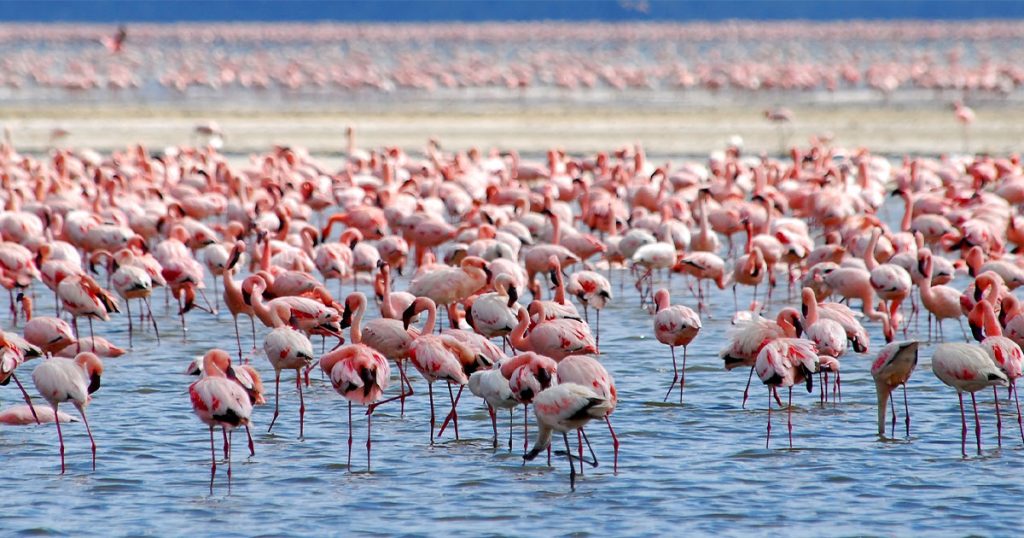
Arrive at Kigali International Airport. Spend your afternoon at Nyarutarama Lake (locally known as Lover’s Lake), located adjacent to the city’s golf course to see White-collared Olive back, Bat Hawk, African Swamphen, Yellow-billed Duck, Hottentot Teal, Cinnamon-chested Bee-eater, and various weavers. This inner-city lake and its surrounding reed beds serve as a highly productive introduction to East African waterbirds and urban edge species. Dinner and overnight stay.
Day 2: Early Morning at Nyabarongo Wetlands and Transfer to Akagera.
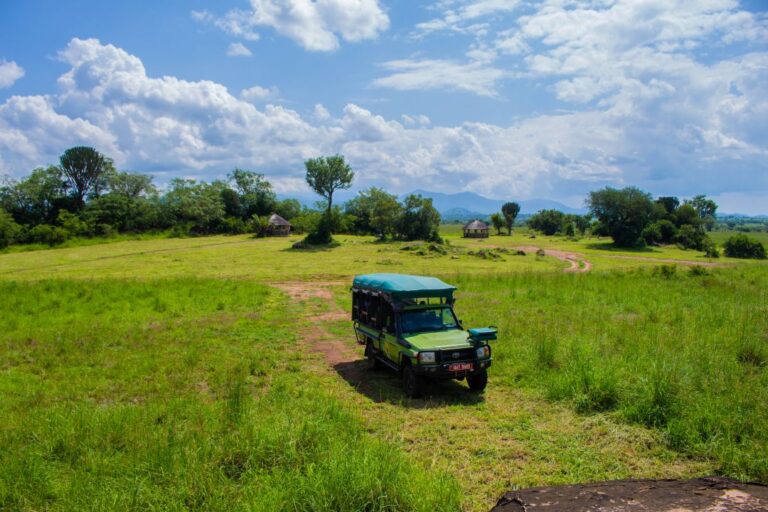
In the morning after breakfast, go to the extensive papyrus stands and marshes of the Nyabarongo River Wetlands southeast of the city. This Important Bird Area (IBA) is an essential corridor for specialized swamp dwellers. In the afternoon, take the 2.5-hour drive east to the southern gate of Akagera National Park, to see Papyrus Gonolek, White-winged Swamp Warbler, Sharpe’s Pied-Babbler, Northern Brown-throated Weaver, Papyrus Canary, and African Fish Eagle. Dinner and overnight stay.
Day 3: Akagera Boat Safari and Southern Circuit.
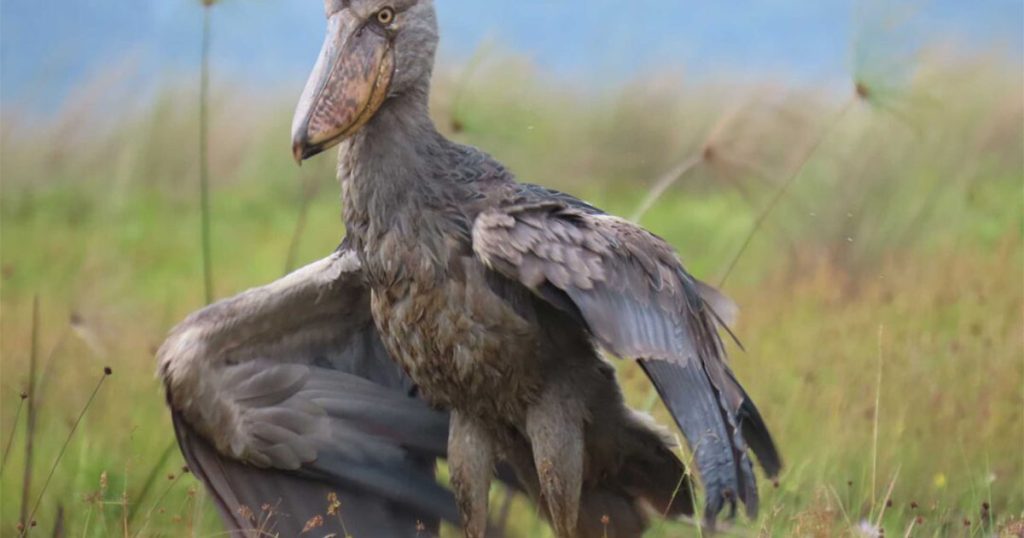
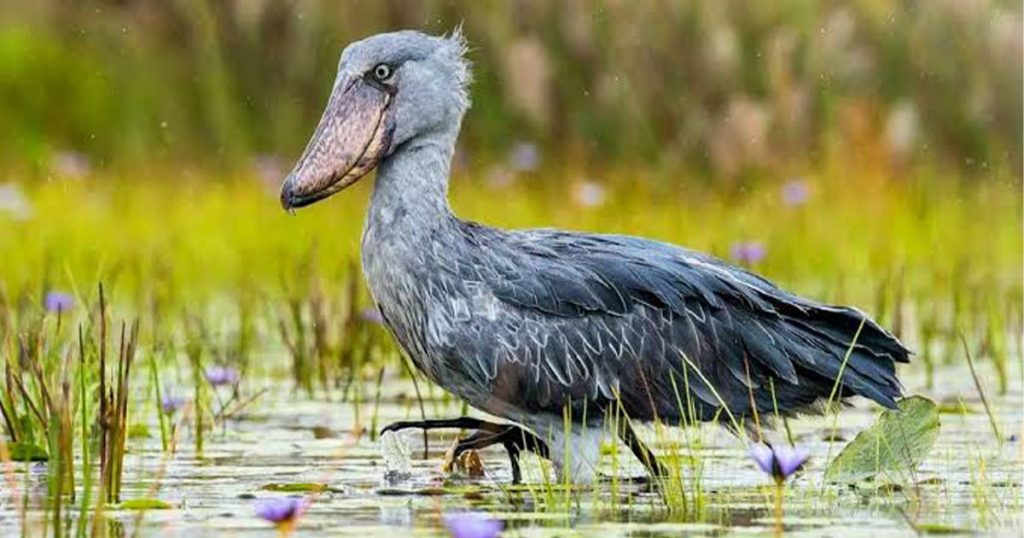
Take an early morning boat safari on Lake Ihema to get up close to the otherwise inaccessible papyrus walls and floating vegetation. Spend the afternoon tracking woodland paths and lakeside tracks around the southern lakes to see Shoebill Stork (rarely spotted in the deep papyrus), African Finfoot, Lesser Jacana, Blue-headed Coucal, Red-faced Barbet, and Bennett’s Woodpecker. Dinner and overnight stay.
Day 4: Central Wetlands and Northern Savanna Traverse.
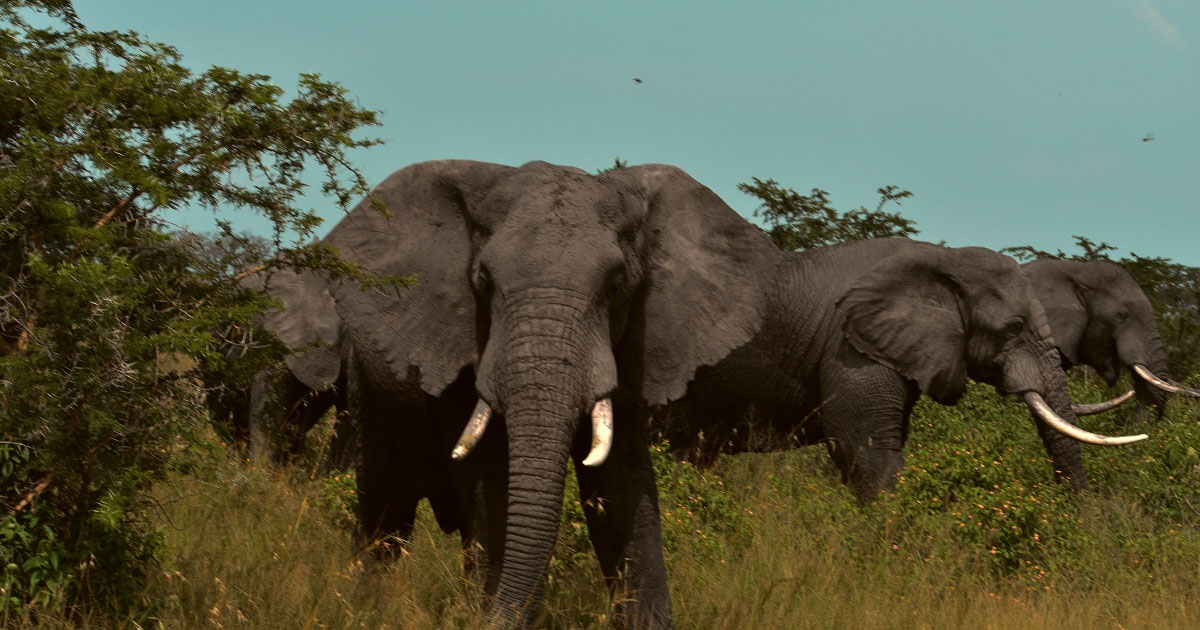
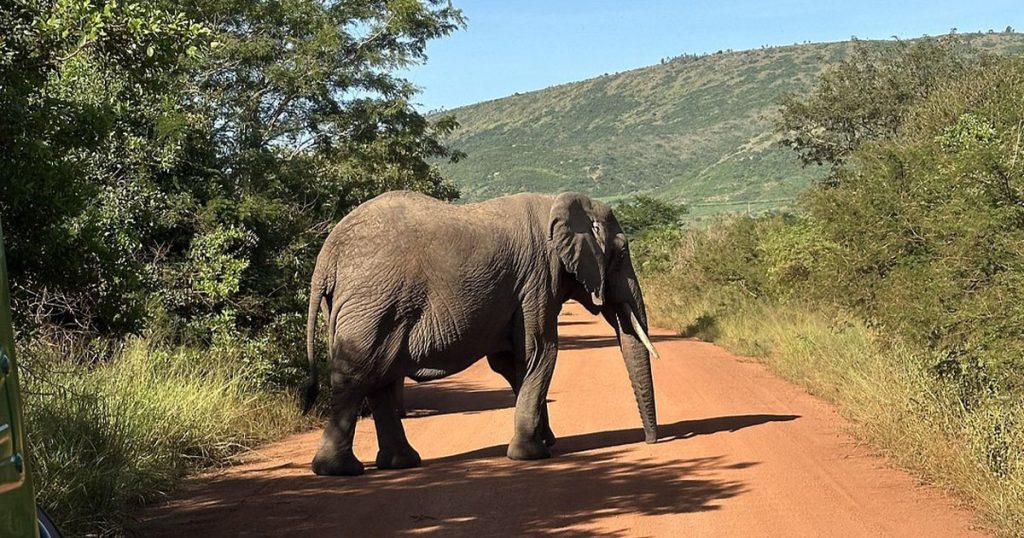
After breakfast, start on slow south-to-north traverse through the heart of the park. You will transition out of the thick acacia woodlands into the wide-open savannas of the Mutumba hills and the Kilala plains, focusing heavily on raptors and grassland specialists to see Ruaha Chat, Tabora Cisticola, White-headed Black Chat, Souuza’s Shrike, Bateleur, Martial Eagle, and Crested Barbet. Dinner and overnight stay.
Day 5: Northern Early Birding and Return to Kigali.
Catch the early morning light on the northern plains to log active grassland birds before they shelter from the midday heat to see Flappet Lark, Long-tailed Cisticola, Amur Falcon (seasonal), and Temminck’s Courser. Then exit the northern gate by noon and complete the drive back to Kigali for your evening departure flight.