Ngorongoro conservation area.
Ngorongoro conservation area is a protected area and a UNESCO World Heritage Site located in the northern part of Tanzania. Ngorongoro conservation area occupies a land area of 8288 square kilometers and it includes the famous Ngorongoro Crater, the largest intact caldera on Earth, which was formed about 2.5 million years ago. Ngorongoro conservation area is an extensive safari destination for a safari in Tanzania. It forms part of the Serengeti ecosystem, and Ndutu region is where this conservation area and the southern section of Serengeti national park border each other. Serengeti national park lies adjacent to the Ngorongoro conservation area. Ngorongoro conservation area is 50 kilometers away from Lake Manyara national park, 139 kilometers from Tarangire national park, and 213 kilometers from Arusha national park. The area features diverse landscapes such as forests, grasslands, and mountains and it is home to more than 25, 000 large animal species including the Big five (lions, elephants, buffaloes, leopards and rhinos) plus a fantastic range of bird species which number over 500. Furthermore, Ngorongoro conservation area also hosts several native tribes such as the Maasai, who live alongside the wildlife in a remarkable example of conservation and human-wildlife coexistence.
Attractions in Ngorongoro conservation area.
Animal species.
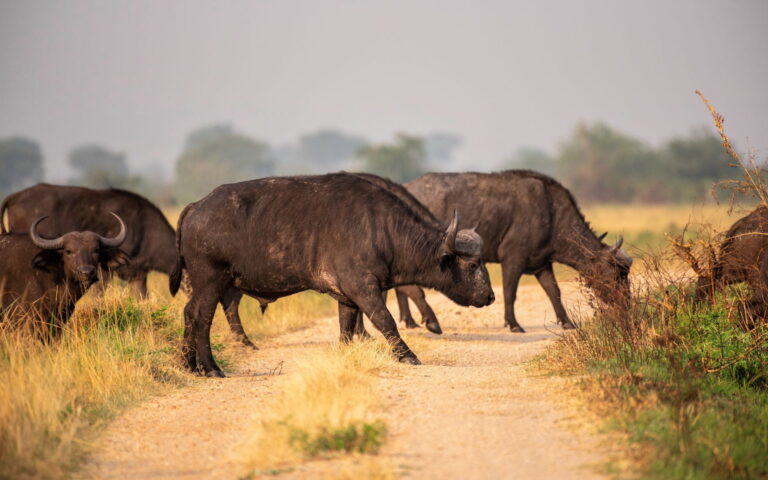
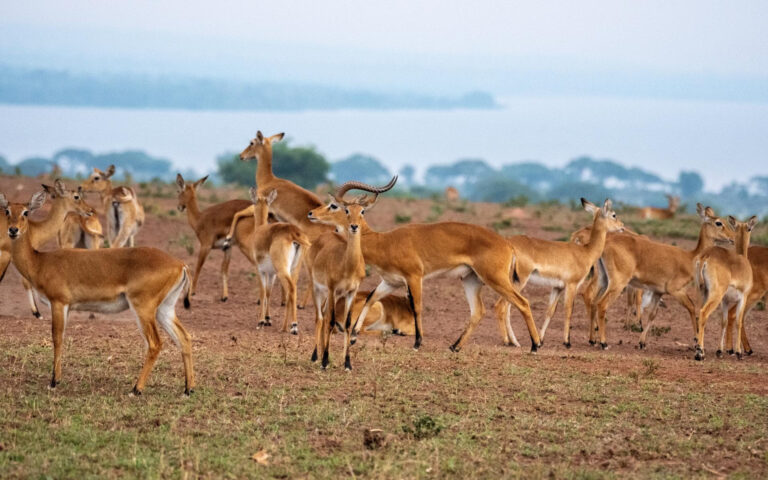
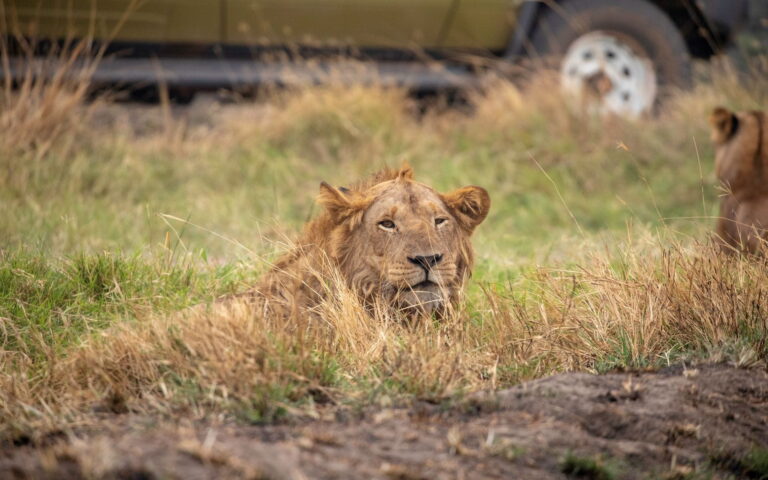
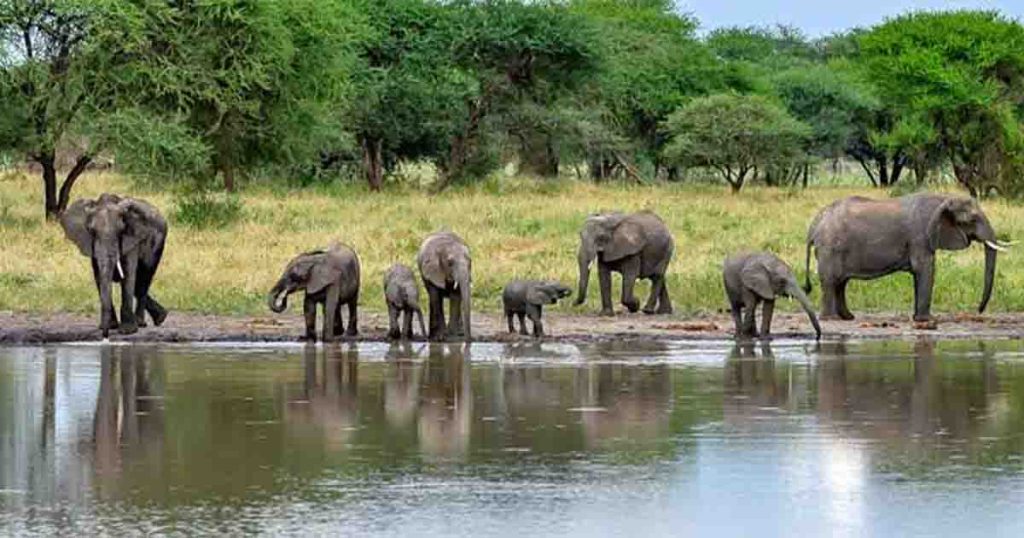
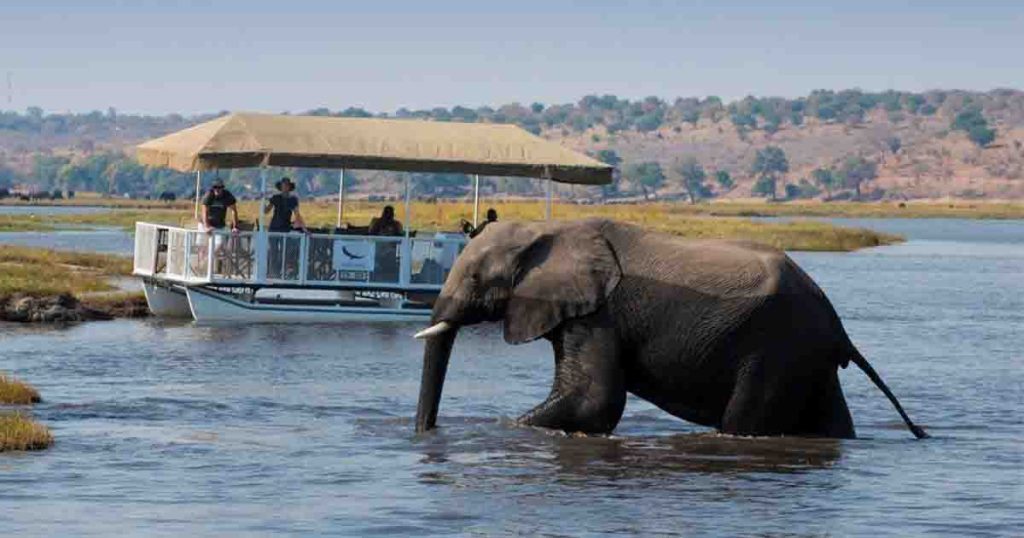
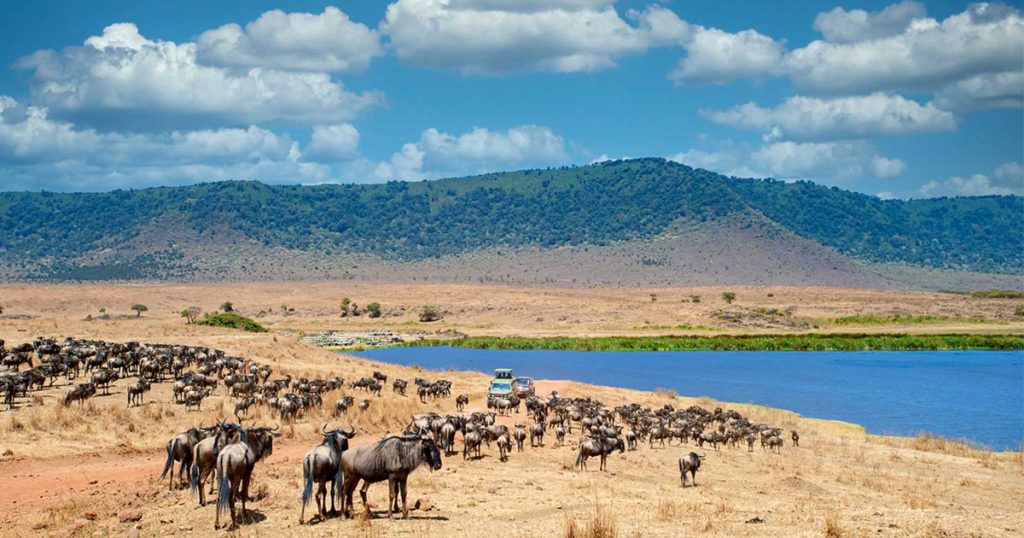
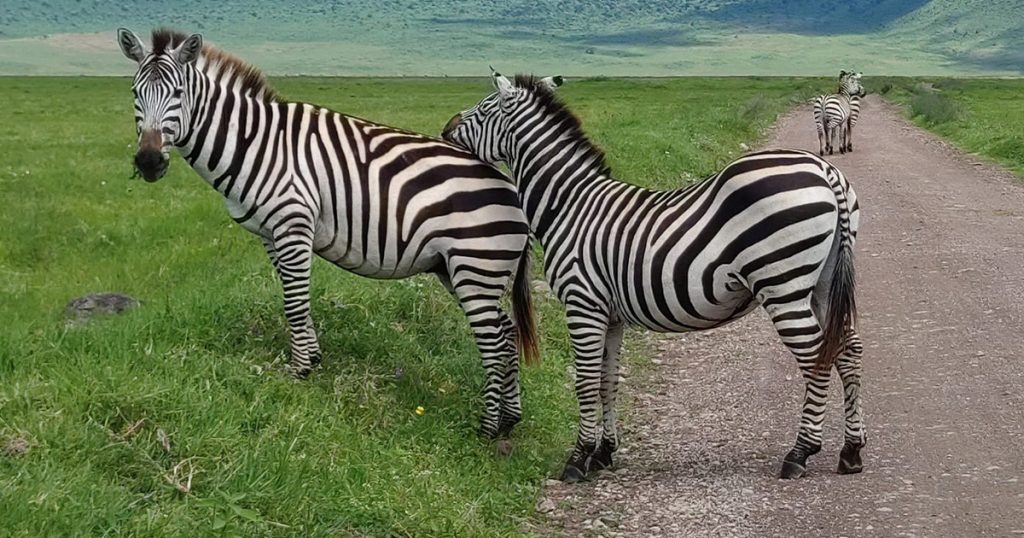
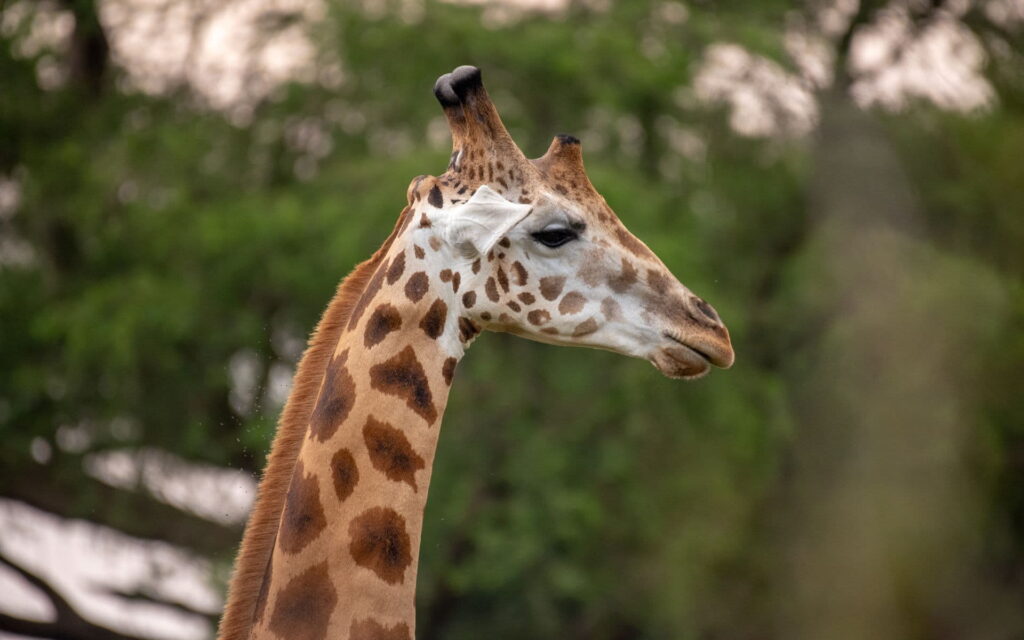
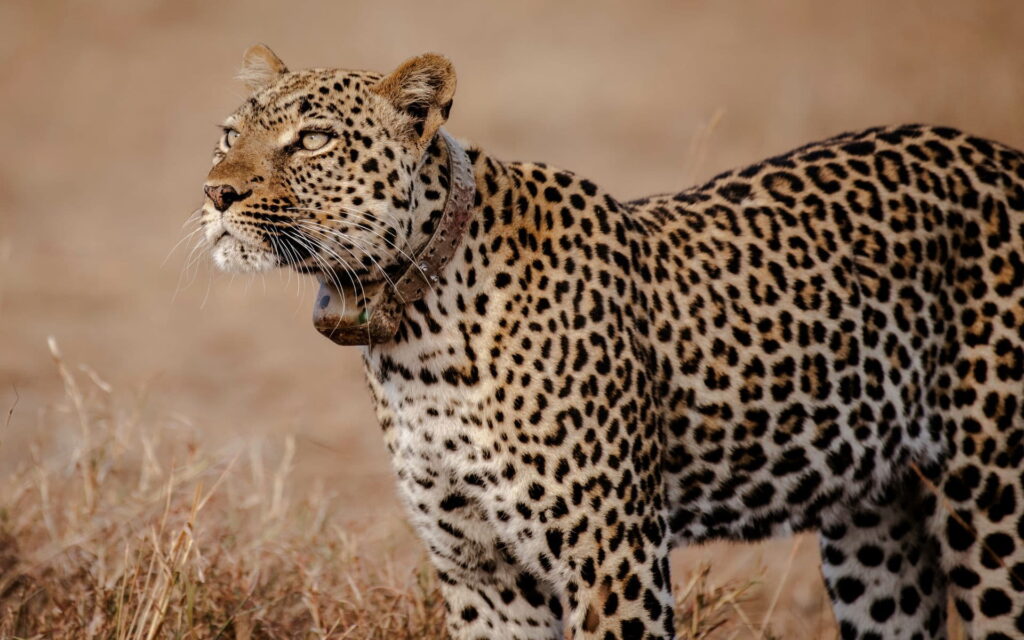
The Ngorongoro reserve area is home to an extraordinary number of animal species with a population of over 25, 000 large animals existing in the area. The Big Five consists of lions, leopards, buffaloes, rhinos and elephants and are accompanied by other amazing species such as cheetahs, hyenas, giraffes, zebras among others. Moreover, Ngorongoro conservation area serves as a refuge for some endangered species, such as the black rhinoceros, African wild dogs and hippopotamuses. The crater floor, especially, is a paradise for wildlife with its rich grasslands and water sources that attract a wide variety of animals thereby making Ngorongoro Conservation area one of the Africa’s most stunning and diverse wildlife safari destinations.
Bird species.
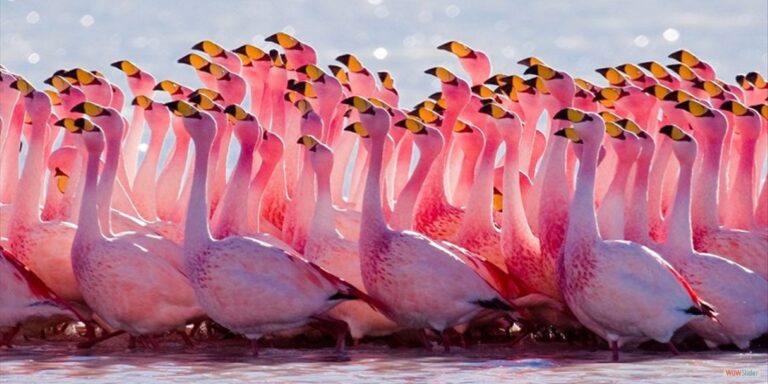
Ngorongoro conservation area is a paradise for birdwatchers, having more than 500 different species of birds recorded within the area. The crater floor, which consists of various habitats, such as grasslands, forests and wetlands, is home to an amazing range of birdlife including residents and migratory birds’ species such as ostriches, secretary birds, kori bustards, crowned cranes among others. Moreover, the place harbors many species of raptors such as eagles, hawks, falcons, and vultures and also an array of water birds like flamingos, pelicans and storks. The Ngorongoro Conservation Area’s special location, being near the equator and at the junction of several migratory routes, makes it a key resting place for a number of bird species, thus facilitating a truly magnificent and varied birdwatching safari.
Ngorongoro Crater
Ngorongoro Crater, situated within the Ngorongoro Conservation Area of Tanzania, is a massive crater, which is the remains of a collapsed volcanic mountain. The volcano eruption happened 2.5 million years ago. The crater covers an area of 260 square kilometers and the depth to the crater floor is around 610 meters. A complete ecosystem is found within the crater that can sustain the exceptionally diverse wildlife including the big five mammals among others. The floor of the crater is covered by grasslands, forests, and wetlands it is also a habitat for several lakes, rivers, and waterfalls. Surrounding the crater are the steep walls that rise up to 610meters, hence, a natural amphitheater is created that not only offers breathtaking views but also a safari experience with unique wildlife. Other safari sights in the Ngorongoro conservation area include Olduvai Gorge, Laetoli Footprints, Empakai Crater, Lake Ndutu, Lake Magadi, Ngorongoro Highlands, and many more.
Safari activities to do in the Ngorongoro Conservation Area.
Game drive.
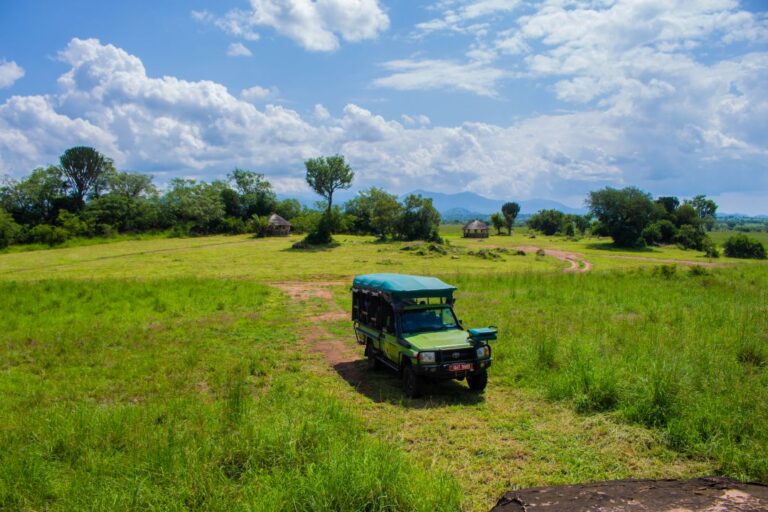
Game drives in Ngorongoro conservation area give visitors a thrilling and unforgettable safari experience. They also allow visitors to come in contact with the various animal species and plants in the conservation area. Visitors who drive down to the crater floor can see animals like the big five mammals and other animal species such as hyenas, giraffes, zebras, and many more. Descending in a 4X4 vehicle through the green forests to the crater floor of Ngorongoro, visitors can spot animals like the big five and other species like hyenas, giraffes, zebras, and many more. Animal encounters can be done during morning game drives, full-day game drives, afternoon game drives, and night game drives. Lion, leopard, and cheetah are best seen early in the morning when animals come out to hunt. Night game drive is a perfect time to encounter predators such as lions, leopards, and wild dogs through the use of a spotlight. Drives led by knowledgeable and experienced guides traverse the most excellent spots and far areas, thus providing guests the chance to see animals in their natural environment.
Bird watching.
If you like bird watching then you must not skip Ngorongoro Conservation Area on your Tanzania birding safari trip list. You will find there more than 500 bird species. The conservation area has a variety of landscapes such as grasslands, forests, wetlands, and lakes, which are the habitats not only for water birds like flamingos, storks, pelicans, and vultures but also for such colorful birds as lilac-breasted roller, bee-eaters, and sun-birds. The floor of the crater, which has a distinctive geography and climate, is home to a few species such as Ngorongoro pipit (endemic) and Rufous-tailed weaver. The highlands and forests around the crater are suitable for the montane and forest bird colors. Experienced guides will take you bird walking and game driving that will give you an opportunity to familiarize with the amazing bird species of the area.
Walking safaris.
Ngorongoro Conservation Area is a fascinating spot for Tanzania walking safaris. This is a very different and thrilling way to enjoy the amazing natural beauty and the astonishing wildlife of the area. The experience can be made even more enjoyable by having a visit guided by experienced and knowledgeable guides. They can take you through the conservation area’s various landscapes such as the grasslands, forests, and wetlands. Also, you can take crater rim walks, hikes to the Empakaai crater, climbs of the Olmoti volcano, etc. Walking safaris give you an excellent opportunity to get really close to the large animals like elephants, buffaloes, antelopes as well as to small creatures such as birds, reptiles, insects, etc. Moreover, the guides share their knowledge of the area’s geology, history, and wildlife, thereby helping visitors to understand and appreciate this wonderful ecosystem.
Archaeological tours.
Archaeological tours at Ngorongoro conservation area are a very fascinating way to get into human history which has been there for over 4 million years. One can also visit the world-famous Olduvai Gorge, a UNESCO World Heritage Site, considered as the site of the Leakey family’s greatest discoveries of earliest human fossils. Apart from the 3.6-million-year-old footprints of early humans which they discovered, they also found other human fossils. The tours are guided by professionally trained guides and archaeologists, who enlighten you on human evolution, the discovery of early stone tools, and the eventual development of human societies. The tour will also include a visit to other historical sites such as Laetoli, where human footprints were discovered, and the Ngorongoro Highlands, where you can find ancient rock art and artifacts. Exploring these places will give visitors a genuine insight into the area’s history and the importance of the Ngorongoro conservation area as the cradle of humanity.
Cultural tours.
Cultural tours in Ngorongoro conservation area provide a special chance to know the culture of the Maasai people who have lived side by side with the area’s wildlife for a very long time. One of the activities you can do is visit a Maasai village through a guided tour during which you will be introduced to the traditional lifestyle, customs, and beliefs of the Maasai community. The tours give an opportunity to look at traditional Maasai houses, called “bomas” and also to watch a traditional dance, music, and crafts. Besides that, one can also communicate with the Maasai people, by which means you will be able to know about their history, mythology, spiritual practices, and how they relate to land and wildlife. Cultural tours not only educate tourists but also help the local Maasai community by making them viable partners in their journey of preserving the cultures and natural heritage of their area.
Where to stay in Ngorongoro conservation area.
Ngorongoro conservation area accommodation is a wide range of lodges and camps spread in 3 categories that is Luxury, midrange and Budget.
Some of the places to stay in Ngorongoro conservation area include, Ngorongoro crater lodge, Lemala Ngorongoro Tented camp, Ngorongoro Spa Lodge, Serena Ngorongoro Lodge, Ang’ata Ngorongoro camp, Neptune Ngorongoro Luxury lodge, Lion’s paw cam, Ngorongoro Forest Tented lodge, Hhando coffee lodge, Ngorongoro wildlife lodge, Ngorongoro Rhino lodge, Ngorongoro Oldeani Mountain Lodge among others.
How to get to Ngorongoro conservation area.
It is possible to reach Ngorongoro conservation area either by road or air, Ngorongoro conservation area is approximately 173 kilometers from Arusha a famous tourism city in Tanzania. If you are coming from Arusha city, you may drive to Loduare Gate, which is next to Karatu town. There are also ways of reaching Ngorongoro Conservation Area from Serengeti National Park, Lake Manyara National Park, and other places on the northern safari tour.
By air, it is possible to reach Ngorongoro Conservation Area via direct or local chartered flights. Likewise, you may fly into Kilimanjaro International Airport, 46 kilometers away, and which is the main gateway to the town of Arusha. After Kilimanjaro International Airport, you can use a local flight to one of Ngorongoro and Lake Ndutu airstrips. Domestic chartered flights to Ngorongoro Conservation Area are offered by Air Tanzania, Precision Air, Regional Air, Zan Air, Safari Air Link, and Coastal Aviation among others.