Mount Kilimanjaro National Park.
Mount Kilimanjaro National Park is the protected landscape that every traveler should explore on a Tanzania safari. Mount Kilimanjaro National Park encompasses approximately 1,688 square kilometers of protected land surrounding and including the upper slopes of Mount Kilimanjaro in the Kilimanjaro Region of northern Tanzania situated approximately 330 kilometers north of Dar es Salaam and just 300 kilometers south of the equator. The park was established in 1973 and designated a UNESCO World Heritage Site in 1987 in recognition of its outstanding natural significance both as the home of Africa’s highest peak and as an ecosystem of remarkable biological diversity encompassing five distinct vegetation zones from cultivated farmland to arctic summit.
Kilimanjaro is a stratovolcano formed by volcanic activity over a period of approximately one million years comprising three distinct volcanic cones: Kibo, the highest and most recently active; Mawenzi, a dramatically eroded secondary peak of 5,149 meters; and Shira, an older and largely collapsed western cone whose plateau now forms one of the mountain’s most atmospherically beautiful high-altitude environments. The mountain’s iconic snow cap visible on clear days from as far as 200 kilometers away has diminished significantly in recent decades as a consequence of climate change, and scientists project the continued retreat of Kilimanjaro’s glaciers as one of the most visually compelling and emotionally resonant indicators of global warming in the natural world.
Attractions in Mount Kilimanjaro National Park.
Uhuru Peak the summit of Kibo crater at 5,895 meters above sea level is Kilimanjaro’s defining attraction and the objective of virtually every climber who sets foot on the mountain. It is the highest point in Africa, one of the Seven Summits, and a personal achievement of such universal human resonance that reaching it produces an emotional response of exhaustion, relief, wonder, and profound personal satisfaction that defies adequate description and remains vivid in memory for the rest of a climber’s life.
The Five Vegetation Zones through which all Kilimanjaro routes pass represent one of the mountain’s most scientifically fascinating and visually extraordinary dimensions. The cultivated lower slopes give way to montane forest dense, mist-draped, and alive with bird and mammal activity before transitioning through heath and moorland characterized by giant heathers and dramatic volcanic rock formations, into the surreal Afro-alpine desert zone of the upper mountain where giant groundsels and lobelias create a landscape of otherworldly botanical beauty. The arctic summit zone ice, rock, and the vast silence of extreme altitude completes a journey through five ecological worlds that no other trekking destination on Earth replicates within a single ascent.
The Glaciers and Ice Fields of Kilimanjaro’s summit zone the Northern Ice Field, Southern Ice Field, and the remnant glaciers of the Kibo crater are among the most visually dramatic features of the upper mountain and among the most poignant natural monuments to the reality of climate change visible anywhere in Africa. Their blue-green walls, some rising to over 30 meters in height, glow with an ethereal light in the pre-dawn hours of summit night that every climber who has seen them carries permanently in their visual memory.
The Shira Plateau an ancient volcanic caldera at approximately 3,800 meters is one of Kilimanjaro’s most atmospherically beautiful and least celebrated landscapes, a vast, open, moorland plateau swept by wind and cloud and offering views of Kibo’s summit cone of dramatic proportion and visual power. The Shira Route and Lemosho Route both cross this plateau extensively, and the several hours spent traversing its open, sky-dominated landscape are consistently cited by experienced Kilimanjaro guides as among the trekking experience’s most emotionally resonant sections.
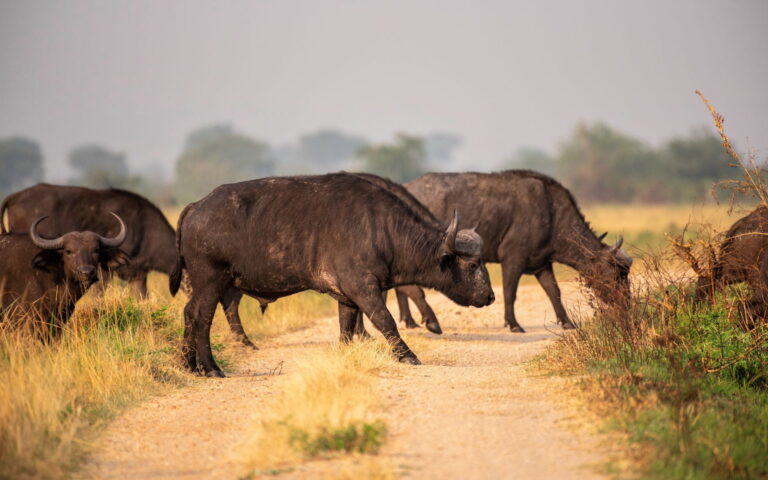
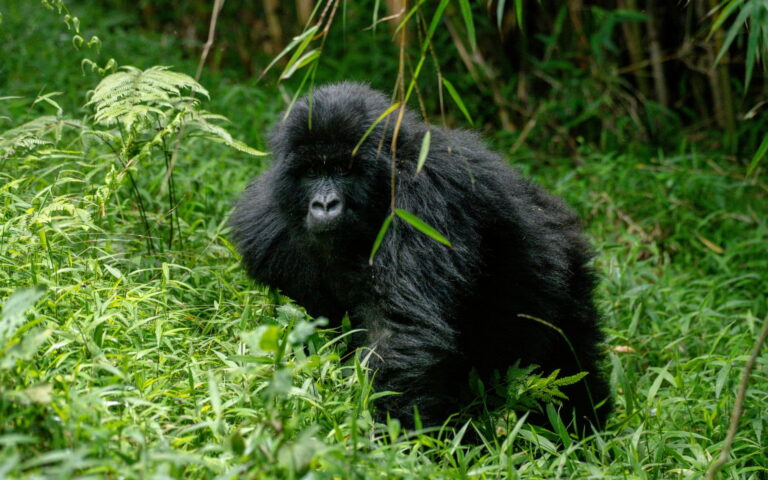
Wildlife within Kilimanjaro National Park is concentrated primarily in the montane forest zone, where colobus monkeys, blue monkeys, bushbucks, elands, and an exceptional diversity of forest birds inhabit the dense vegetation of the lower slopes. Elephant and buffalo occasionally move through the forest zone from the surrounding Amboseli and Tsavo ecosystems, and the park’s bird list of over 180 species includes the spectacular Hartlaub’s turaco, crowned eagle, and numerous sunbird species that reward ornithologically inclined trekkers with colorful and unexpected sightings during the forest section of their ascent.
Trekking Routes of Mount Kilimanjaro National Park.
Marangu Route the oldest and most established Kilimanjaro route, nicknamed the Coca-Cola Route for its relative accessibility is the only route offering hut accommodation rather than tented camping, following a single path of ascent and descent through the park’s eastern slopes. Its reputation for relative ease is somewhat misleading the summit remains a formidable physical challenge on any route but its well-maintained huts, clear trail, and shorter minimum duration make it the most popular choice for first-time Kilimanjaro climbers.
Machame Route the most popular route on the mountain and widely regarded as offering the finest balance of scenic variety, acclimatization profile, and summit success rate approaches from the southwest through dense forest and dramatic moorland before traversing the spectacular southern circuit to Barafu Camp and the final summit push. Its greater length and more gradual acclimatization profile give climbers a meaningful physiological advantage over the shorter Marangu route.
Lemosho Route is consistently rated by experienced Kilimanjaro guides as the mountain’s most scenic and best-acclimatized option approaching from the west across the magnificent Shira Plateau before joining the southern circuit for the final summit approach. Its longer duration typically eight days and lower daily traffic levels make it the preferred choice of discerning climbers seeking the finest possible Kilimanjaro experience.
Rongai Route approaches from the north the only route to do so through drier, less-visited terrain that offers a distinctly different landscape character from the southern routes and a summit approach via Kilimanjaro’s less-frequented northern slopes. It is particularly valued by climbers seeking a quieter, less crowded trekking experience and by those who have already climbed the southern routes and wish to experience the mountain from a different perspective.
Northern Circuit Route is Kilimanjaro’s longest and most remote option circumnavigating the mountain almost completely before the final summit approach and offers the best acclimatization profile of any route on the mountain alongside the greatest landscape variety and the lowest daily climber density. It is the route of choice for experienced trekkers committed to maximizing both their summit success probability and the quality of their overall Kilimanjaro experience.
Activities to do in Mount Kilimanjaro National Park.
Summit Trekking on any of Kilimanjaro’s established routes is the mountain’s defining activity a multi-day journey through five ecological zones to the summit of Africa, guided by licensed Kilimanjaro guides and supported by a team of experienced porters whose logistical skill and physical endurance make the entire undertaking possible for climbers of varying fitness levels.
Day Hikes on Kilimanjaro’s lower slopes through the montane forest zone on well-maintained trails departing from the park gates provide accessible wildlife and botanical encounters for visitors who wish to experience the mountain’s lower ecological zones without committing to a full summit attempt.
Wildlife Walks in the forest zone guided by KWS rangers offer a focused encounter with the park’s primate, mammal, and bird populations in the dense and biologically rich environment of the lower mountain a rewarding activity for naturalists and wildlife enthusiasts visiting the Kilimanjaro area who want to complement a summit trek with additional wildlife-focused experiences.
Cultural Visits to Chagga community villages on Kilimanjaro’s lower slopes provide guided encounters with the agricultural traditions, coffee farming practices, and cultural heritage of the Chagga people one of Tanzania’s most historically significant and culturally distinctive ethnic groups whose intimate relationship with the mountain stretches back many generations.
When to Climb Mount Kilimanjaro National Park.
Kilimanjaro can be attempted year-round, but two primary climbing seasons offer the most favorable weather conditions on the upper mountain. The main dry season from late June through October provides clear skies, cold but stable temperatures on the summit, and the best overall conditions for a summit attempt making July through September the single most popular and reliably productive climbing window. The shorter dry season from December through mid-March offers a secondary window of good climbing conditions, with January and February particularly favored for their clear summit views and relatively stable weather patterns.
The wet seasons April through May and November bring persistent cloud cover, heavy rainfall on the lower slopes, and more challenging conditions on the upper mountain, though summit attempts during these periods are entirely possible for well-prepared and determined climbers and offer the practical advantages of lower crowds, greater guide and porter availability, and reduced peak-season pricing at surrounding accommodation properties.
Where to Stay around Mount Kilimanjaro National Park.
Kibo Palace Hotel in Arusha the principal gateway city for Kilimanjaro climbers offers the finest luxury accommodation in the region, with spacious rooms, excellent cuisine, a full-service spa, and the kind of attentive, professionally delivered hospitality that makes pre- and post-climb nights feel genuinely restorative rather than merely transactional. Its central Arusha location, experienced concierge team, and established relationships with licensed Kilimanjaro operators make it the natural base for climbers seeking comprehensive pre-departure support alongside high-quality accommodation.
Onsea House a boutique guesthouse in the Arusha hills offers an intimate, owner-managed alternative to the larger hotel properties, with beautifully appointed rooms, outstanding home-cooked meals, and a warmth of personal hospitality that makes it a consistently beloved choice among experienced Kilimanjaro travelers seeking character and authenticity alongside comfort.
The Arusha Hotel one of Tanzania’s oldest and most historically significant hotels, established in 1894 combines genuine colonial-era character with comfortable, well-maintained rooms and a central location that places it within walking distance of Arusha’s best restaurants, craft markets, and safari operator offices. Its historic verandas and well-established gardens provide a setting of considerable charm for the evening before and after a Kilimanjaro climb.
Rivertrees Country Inn set on the banks of the Usa River east of Arusha amid beautifully landscaped gardens offers a tranquil and restorative countryside retreat that appeals strongly to climbers seeking rest and recovery in a natural setting of genuine beauty after the physical demands of a summit attempt. Its spacious cottages, excellent cuisine sourced from its own gardens, and attentive personal service have earned it a devoted following among returning Tanzania visitors.
How to Get to Mount Kilimanjaro National Park.
Kilimanjaro International Airport located between Arusha and Moshi approximately 40 kilometers from the park gates receives direct international flights from major hubs including Amsterdam, Doha, Nairobi, and Addis Ababa, making it one of the most directly accessible entry points for safari and trekking visitors to northern Tanzania.
Ground transfers from the airport to Arusha or Moshi the two principal gateway towns for Kilimanjaro climbers take approximately 45 minutes to one hour by private vehicle arranged through accommodation providers or licensed operators.
All climbers must be accompanied by a licensed Kilimanjaro guide and are required to register at the relevant gate before beginning their ascent a straightforward process managed by licensed operators who handle all park fee payments, registration logistics, and porter coordination on behalf of their clients.
Mount Kilimanjaro National Park is not merely a trekking safari destination it is a journey through geological time, ecological diversity, and personal possibility that delivers, at its summit, one of the most profoundly earned and deeply felt experiences available to the human traveler anywhere on Earth. Prepare honestly, choose your route carefully, and arrive at Uhuru Peak ready to feel in every sense of the word exactly where you are.