Tarangire national park.
One of the main safari destinations in Tanzania is Tarangire National Park, which is almost unheard of in the informed circles of travelers. It is situated in the Manyara region and the capital of that region Arusha is about 118 kilometers away. Lake Manyara is about 70 kilometers from Tarangire National Park. Tarangire National Park is among the Northern Safari Circuit. Tarangire National Park is not only close to Lake Manyara National Park, Serengeti National Park, and Ngorongoro Crater, but these nearby parks also make Tarangire a highly attractive stopover point. Tarangire National Park is one of the largest in East Africa, with an area of 2, 850 square kilometers. It offers a very rich and diverse ecosystem of vegetation, animals, birds, and even termite mounds.
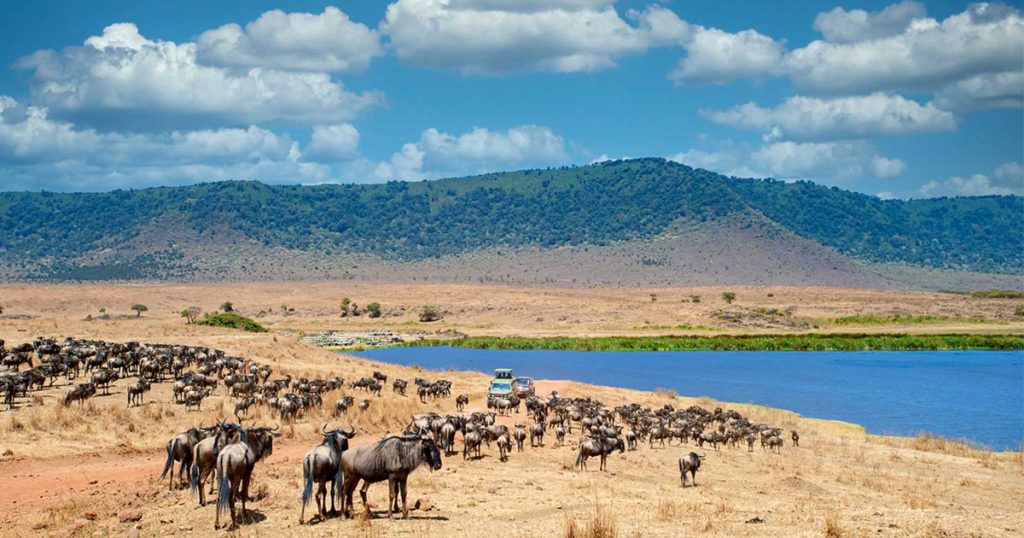
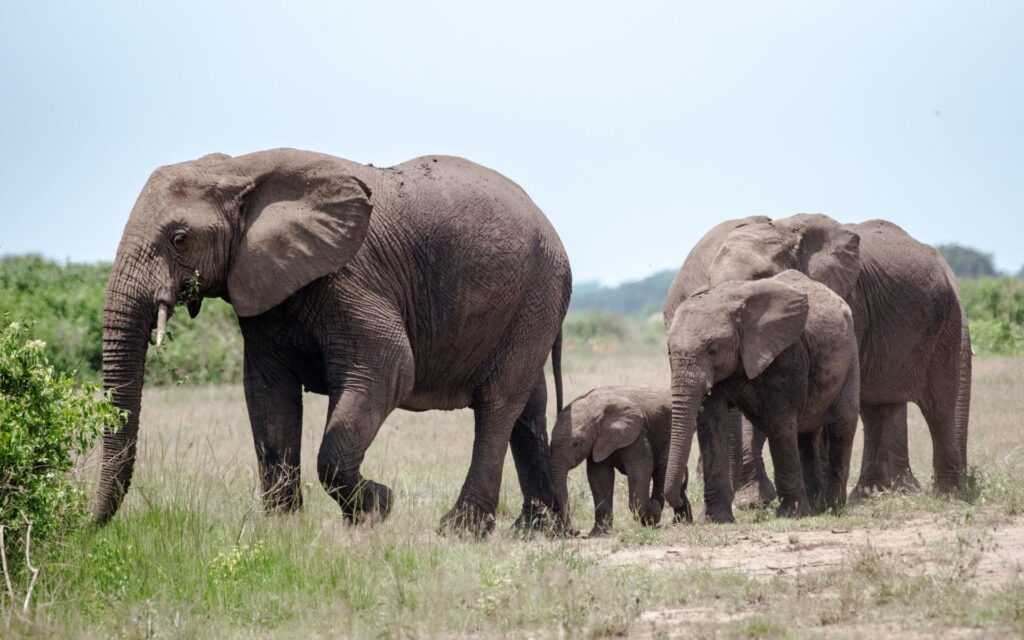
Tarangire national park was first established as a national reserve in 1957. In 1970, the park was changed to be a national park. The park was named after Tarangire River, the peaceful river that runs through the park and divides it in two. The terrain of Tarangire national park includes the grassy savannah plains, swamps, and the famous sunbaked termite mounds. The flora and fauna, as well as the park itself, are nourished by the river of Tarangire, which is the only perennial water source in the park. Consequently, numerous animals flock to Tarangire River for water drinking. As a matter of fact, during the dry season (June to November), it is estimated that there are over 3, 000 elephants, wildebeests, zebras, impalas, gazelles, and other animals that come to the river to not only drink water but also to find green grass.
Attractions in Tarangire National Park.
Animal species.
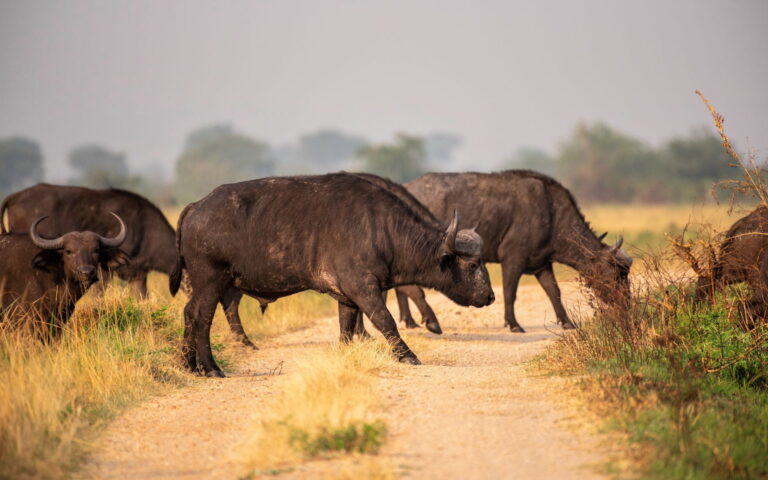
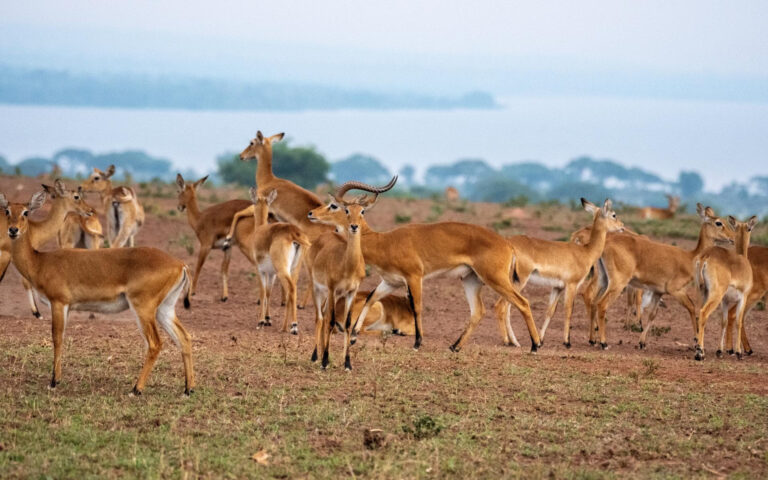
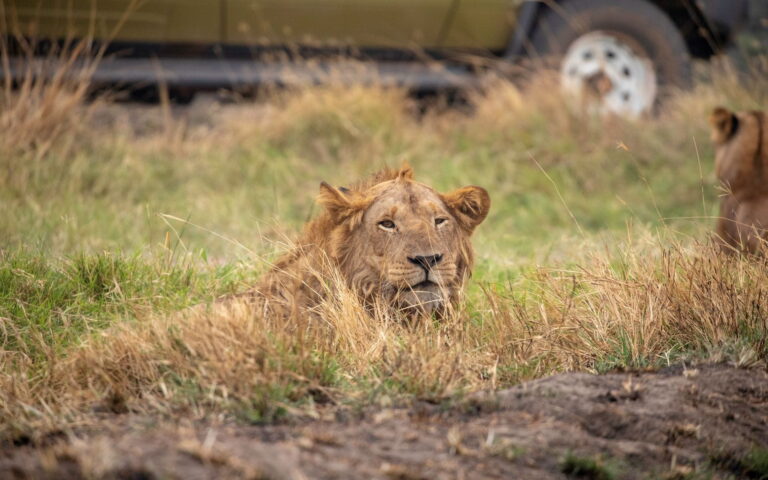
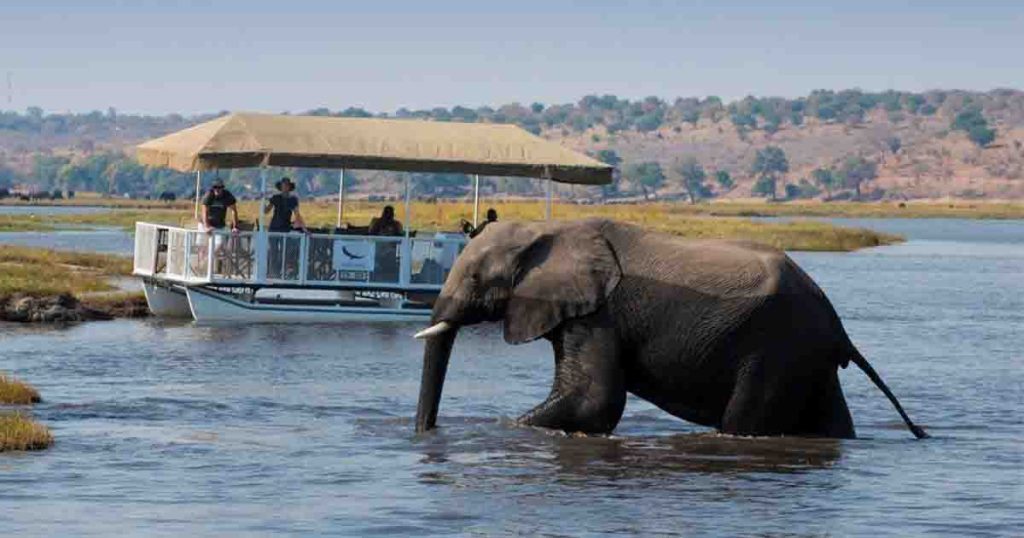
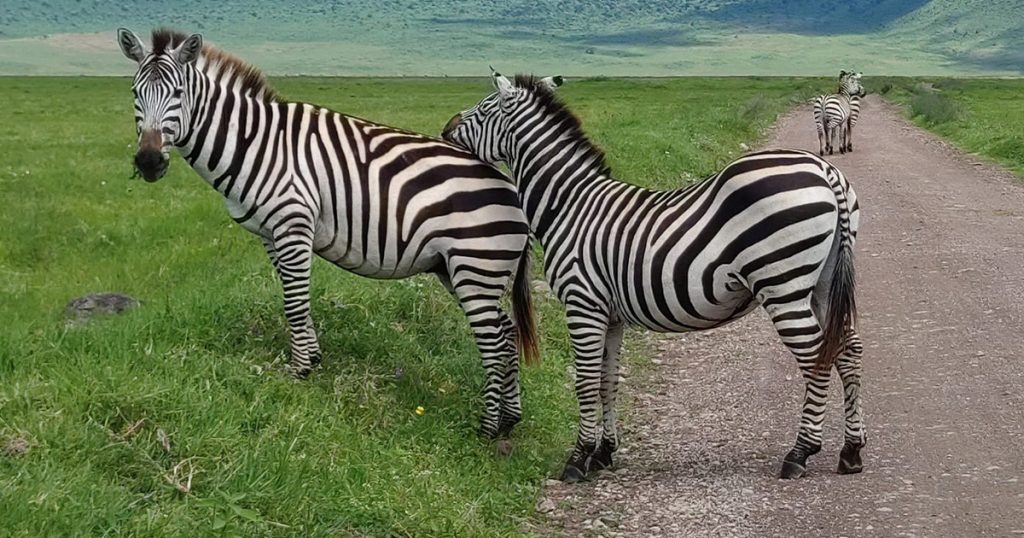
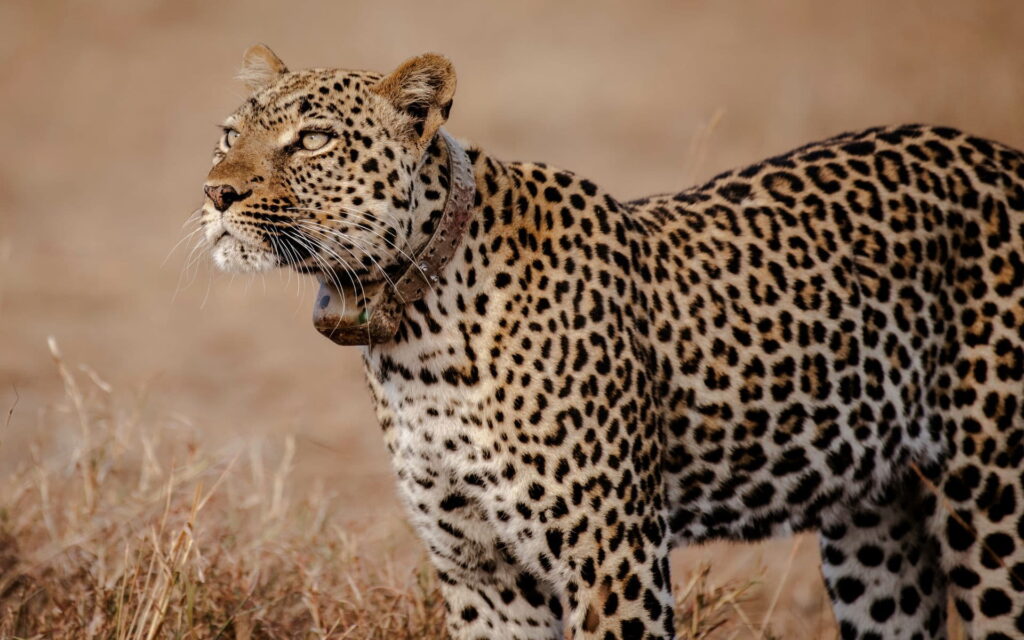
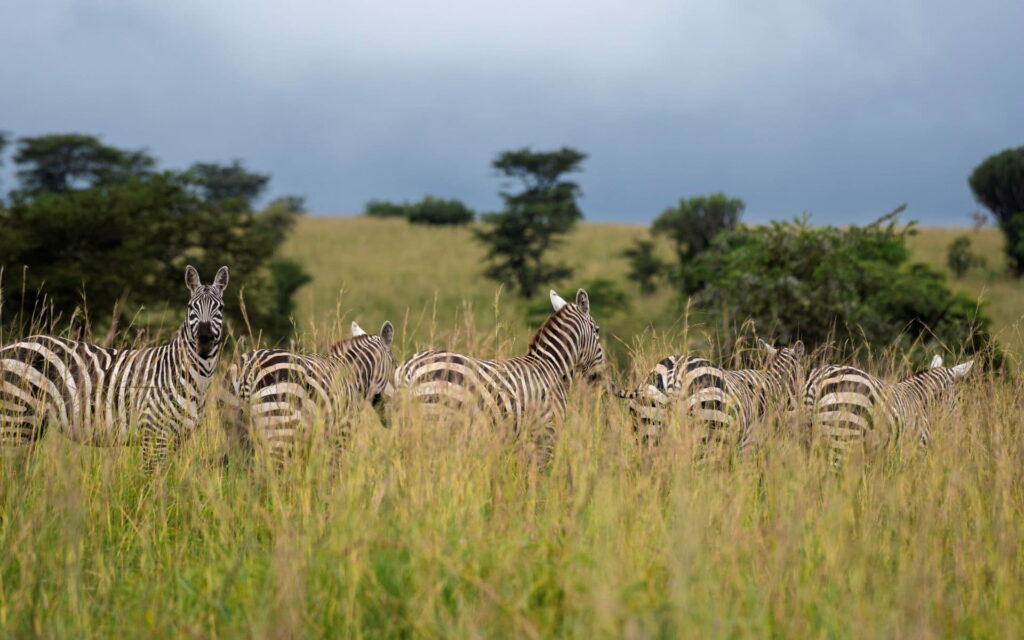
Tarangire National Park shelters more than 58 species of large mammals and various parts of the park are home to different animals. The park is noted for the elephant annual migration from June to November (dry season). Elephant migration is the phenomenon of more than 3, 000 elephants moving into the park in search of water and green grass. This marvelous event can be witnessed along the River Tarangire and the park’s open fields where the elephants stand under the shade of baobab trees. Additionally, Tarangire National Park is the place where the number of animals could be seen is second only to the Serengeti. Wildebeests, hartebeests, elands, impalas, zebras, and buffaloes crowd into the dwindling water pools to find water. There are also leopards, lions, cheetahs, elephants, buffaloes, wildebeests, hartebeests, impalas, wild dogs, antelopes, fringed-eared Oryx, Grant’s gazelles, vervet monkeys, banded mongooses, olive baboons, greater kudus, and many more animals which make their home in Tarangire National Park.
Bird species.
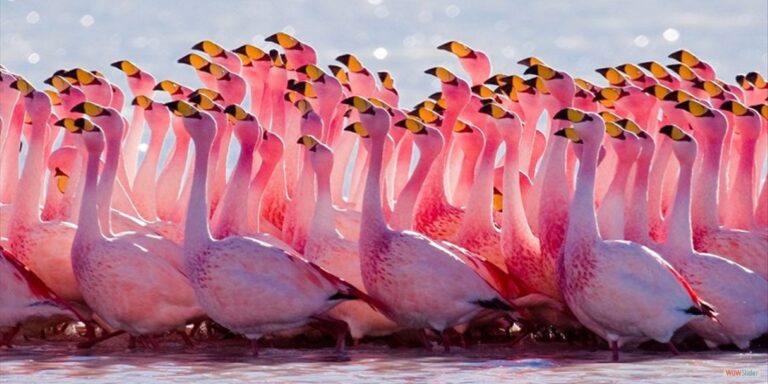
On a safari to Tanzania, you can enjoy bird watching in great measure in Tarangire National Park. It has more than 500 species of birds.
The majority of the birds in Tarangire National Park reside in the wetlands, forests, and alongside the banks of the Tarangire River. Some of these birds found in the park are Hoopoes, hornbills, yellow-necked spur fowls, crested francolins, lilac-breasted rollers, stripped swallows, swifts, cordon bleus, owl’s plovers, bee-eaters, starlings, kori bustards, Bateleur eagles, steppe eagles, pygmy falcon, white-faced whistling ducks, red-billed teals, and many more.
Safari activities to do in Tarangire national park.
Game drives.
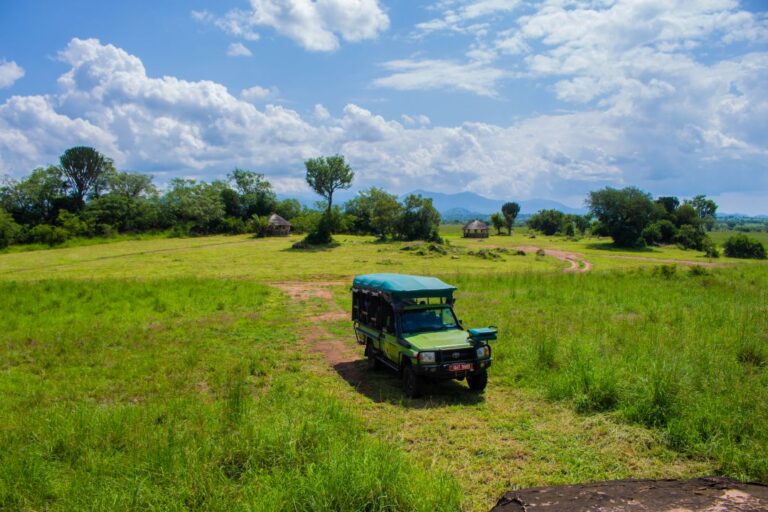
Game drives are the most exciting wildlife viewing experience that can be done in Tarangire National Park, which is a home of a diverse range of animals. There are 5 routes namely Lemiyon route, Gursi route, Lamarku route, western Lake Barungi route, and Kitibong hill route, which are used for game drive safari adventures. A game drive in Tarangire National Park can be a morning, afternoon, or evening game drive. On this safari, you will see many different animals such as leopards, lions, cheetahs, elephants, buffaloes, wildebeests, hartebeests, elands, impalas, wild dogs, antelopes, fringe-eared Oryx, Grant’s gazelles, vervet monkeys, banded mongoose, olive baboons, greater kudus and many more.
Bird watching.
Bird watching in Tarangire National Park will give you great bird life experience as this park has a birdfriendly environment. You will find 500 plus species of birds in this park. They maybe resident or migratory. The key places in Tarangire National Park for bird watching are savannah woodland, swamps along Tarangire River and Lemiyon triangle, which is located at the northernmost part of the park. In this area you may see the following birds; martial eagles, bateleur eagles, long crested eagles, spotted eagle owls, fish eagles, ostriches, great white pelicans, tawny eagles, white-faced whistling ducks, superb starlings, white-headed babblers among others.
Nature walks.
Nature walks in Tarangire National Park are the most fantastic walks to view the stunning landscapes of the park and the different kinds of plants in the park. These walks are available in the morning as well as in the evening, and they usually last for one to three hours. Visitors may see giant baobab trees, various bird species like Hoopoes, hornbills, yellow-necked spur fowl, crested francolin, lilac-breasted rollers, stripped swallows, and swifts in the swamps along animals like elephants, antelopes, lions, and others while on the banks of the Tarangire River.
Sightseeing.
Just like any other aspect of nature, the biology and geology of Tarangire National Park along with the park’s wonderful vistas and gorgeous natural surroundings greatly contribute to its charm and appeal. One of the most outstanding features of the park is its extraordinary Baobab trees which are scattered all over the park and are beautiful to look at.
One of the most awesome places to go sightseeing in the park is certainly Silale Swamp which covers an area of 30 square kilometers and hence offers enough space for different species of animals such as zebras, gazelles, elephants as well as many birds to live their routine life without any hindrance. Another startling Tarangire National Park attraction is Tarangire River which is flanked by giant baobab trees and swamps on both sides.
Cultural tours.
Culture tours in Tarangire National Park offering an exploration of the Maasai tribe, their traditional lifestyle and customs are a truly great experience. The Maasai tribe is among the native communities around Tarangire National Park; indeed, the sanctuary is adjacent to Maasai steep. You may learn about the nomads’ lifestyle and what they are producing like their typical beadwork which includes earrings, bangles, and necklaces on the Maasai cultural trip. The Maasai tribe is known for their circular huts and you can catch a glimpse of these on culture tours with them. Besides these houses, the Maasai also have a traditional way of dressing called shukas, which you will see on culture tours.
Where to stay in Tarangire National Park.
Tarangire National Park offers a wide variety of accommodation types for those on safari in the park. This accommodation can be lumped into three categories of Luxury, Midrange and Budget. Some of the luxury hotels are Nimali Tarangire Tented Camp, Acacia Tarangire Luxury Camp, Sanctuary Swala Camp, Lemala Mpingo Ridge Lodge, Ecoscience Science Lodge, and Tarangire Safari Lodge. There are also mid-range hotels like Tarangire Sopa Lodge, Ang’at Tarangire Camp, Kikoti Tented Camp and Sangaiwe Tented Lodge. There are also budget options like Tarangire Osupuko Lodge, Maramboi Tented Lodge, Kirurumu Tarangire Lodge and Whistling Thorn Tented Camp.
How to get to Tarangire National Park.
Tarangire National Park is located in northern Tanzania and is part of the popular Northern Safari Circuit. Access to Tarangire National Park is possible by road from Ngorongoro Crater and Serengeti National Park; most safari tours to Tarangire leave from Arusha, where they can be accessed through road and air. You can take either public or private transport to get to the park from Arusha; alternatively, you may be able to book a charter flight from Arusha Airport into Kilimanjaro International Airport.