Day 1: Birding in Kampala.
You will be picked by your safari driver and then begin your tour with an affordable walk through the mature canopy trees of the Makerere University campus. This open area charges no entry fee and is a home to some bird species like the Great Blue Turaco, Eastern Grey Plantain-eater, and Hooded Vultures and among others.
In the afternoon transfer to Lake Victoria at Munyonyo. Birding along the public shoreline reveals African Open-billed Storks, Long-crested Eagles, and various kingfishers and others. Dinner and overnight stay.
Day 2: Entebbe Botanical Gardens and Public Shorelines.
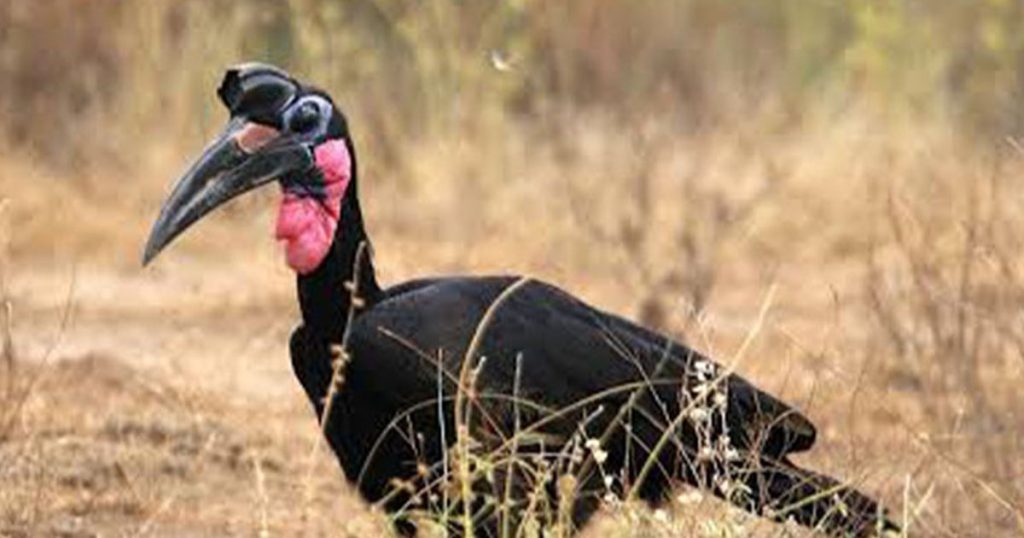
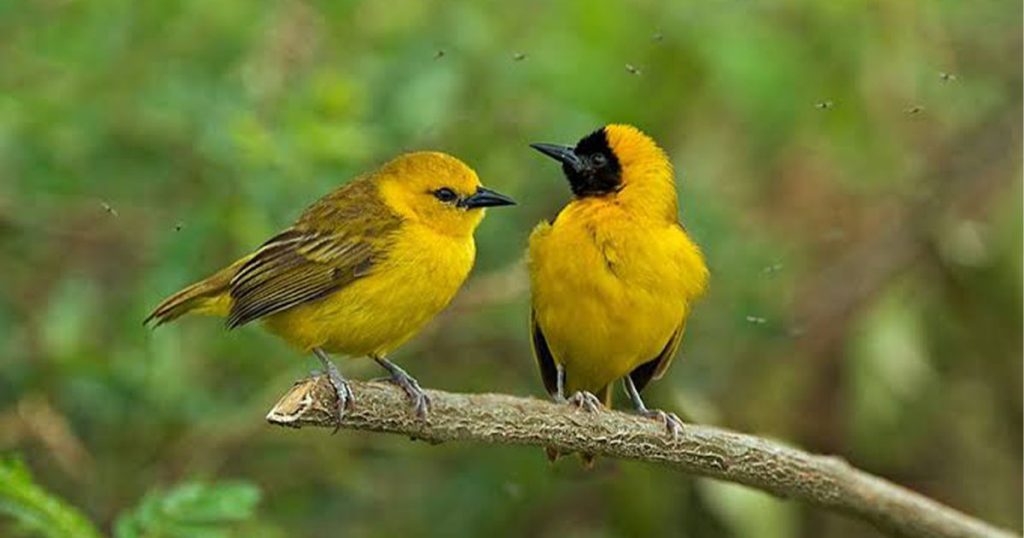
After breakfast, you will travel south to Entebbe and visit the Entebbe Botanical Gardens for the full-day access to forest and lakeside habitats. You will spot Black-and-white-casqued Hornbills, Ross’s Turacos, and Orange Weavers and among many others.
After lunch, you will walk along the public beach fronts and the Entebbe pier areas to spot lakeside waterbirds, including Pink-backed Pelicans and gull species, and many more. Dinner and overnight stay.
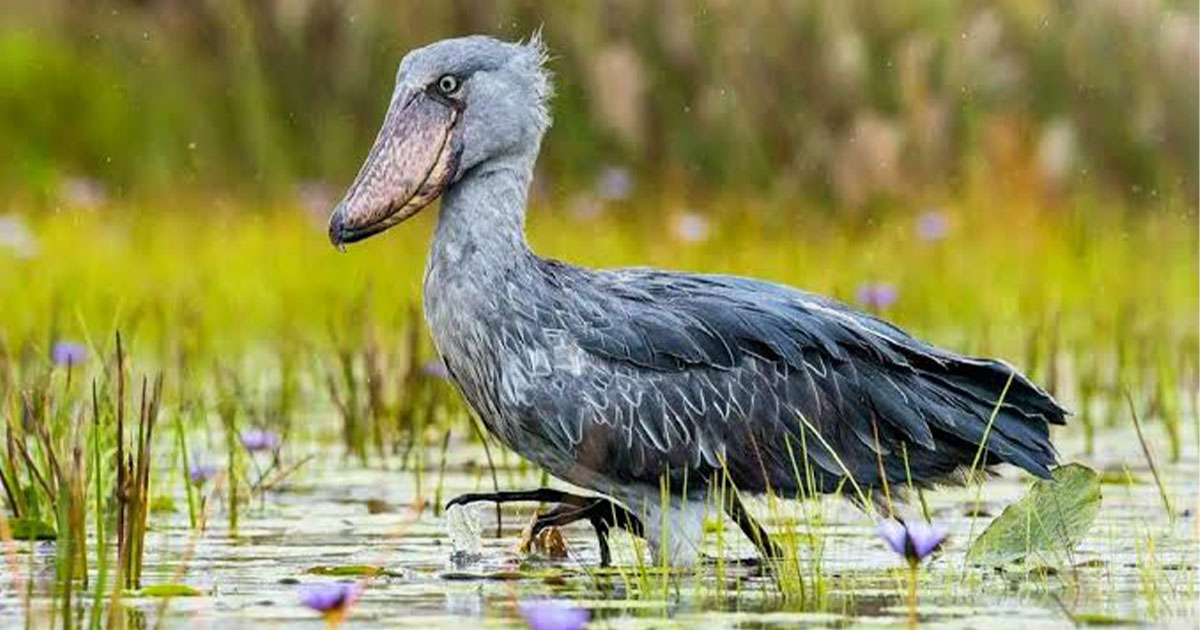
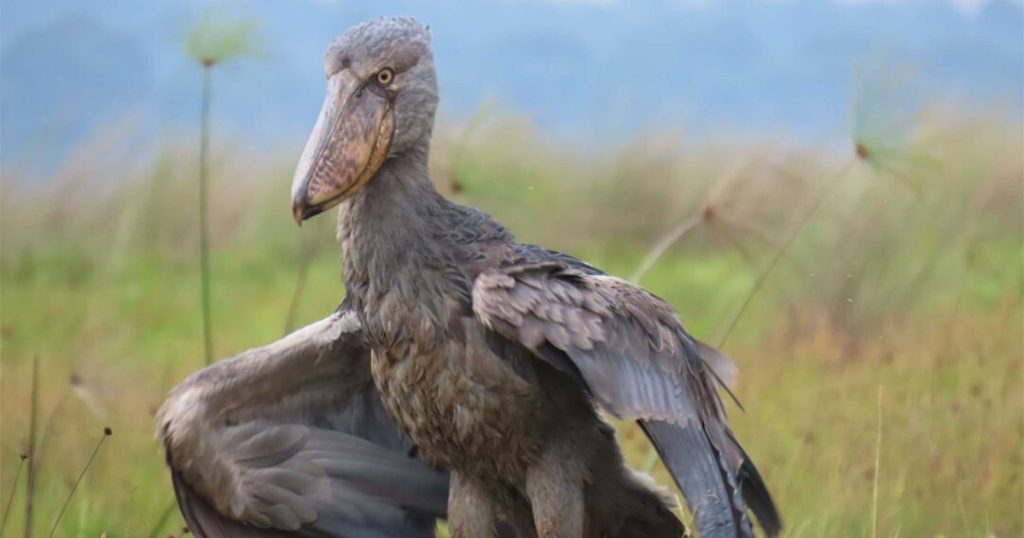
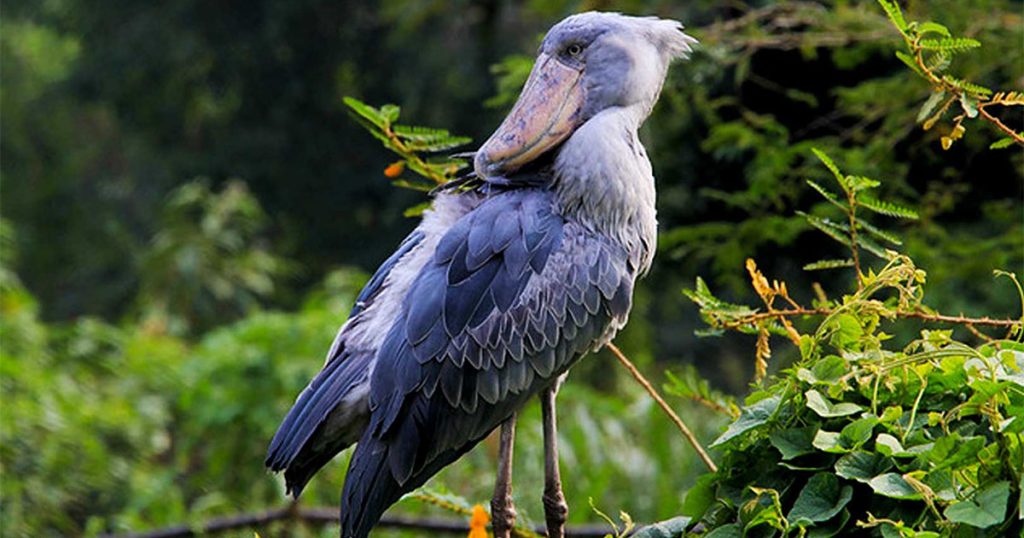
Day 3: Shoebill Stork watching through Community Canoe.
Your driver safari guide will pick you after breakfast and transfer to Mabamba swamp this is where you will experience the motorized canoe across to the Mabamba side. At the wetland, hire a local community wooden canoe and guide directly. This supports community conservation and is the most cost-effective way to track the elusive Shoebill Stork.
In the afternoon you will spend the afternoon birding the papyrus edges for the Papyrus Gonolek, White-winged Swamp Warbler, and Malachite Kingfishers. Return to Entebbe for a budget-friendly local dinner and overnight stay.
Day 4: Departure.
After breakfast, check out and then you will transfer back Entebbe International Airport for your flight home that bring your safari come to the end.
Day 1: Birding in Kampala.
Day 2: Entebbe Botanical Gardens and Public Shorelines.
Day 3: Shoebill Stork watching through Community Canoe.
Day 4: Departure.
Opt for budget hotels, bed-and-breakfasts, or backpacker hostels in Entebbe and Kampala rather than lakeside luxury resorts.
Wear neutral-colored, long-sleeved clothing to guard against the sun and biting insects. A wide-brimmed hat, waterproof sunscreen, and a strong insect repellent containing DEET are vital for wetland and forest environments. Sturdy, waterproof hiking shoes are highly recommended for the forest walks.
While resident birds like the Shoebill are present year-round, if you want to see millions of Palearctic migratory birds, visit between October and March. The dry months of December to February and June to August offer the easiest trekking conditions.
While you will have a main safari driver, it is crucial to hire the local community guides at Mabamba Swamp. They monitor the movements of individual Shoebills daily and navigate the labyrinth of papyrus channels with precision.
Bring high-quality binoculars (8×42 or 10×42 are standard) and a camera with a strong telephoto lens (at least 300mm to 600mm). Pack a detailed field guide like Birds of East Africa.