
Can you combine Tanzania safari with Kenya safari.
There are African safari destinations that complement each other so naturally that separating them feels almost arbitrary. Tanzania and Kenya are precisely such a pair. The two East African countries, sharing a border that cuts through some of the most awe-inspiring nature in the world, provide a safari experience together that is more than just an added value of the already impressive individual countries.
While Kenya provides visitors with Maasai Mara National Reserve, the Great Rift Valley, and an environment that is so entrenched in the very soul of the country that it has become synonymous with Africa itself. Tanzania answers with the boundless Serengeti National Park, the ancient wonder of the Ngorongoro Crater, and a network of southern parks so vast and untouched that visitors regularly spend days without encountering another vehicle. Together, they form the most complete East Africa safari itinerary available to the modern traveler in 2026.
Kenya Safari: Drama, Culture, and the Mara.
Kenya is where the modern safari was born. Long before wildlife tourism became a world industry, expeditions into Kenya’s interior introduced the world to a landscape so teeming with life that it seemed almost impossible a place where lions rested in the shade of acacia trees and elephants moved like slow rivers across the open plain. That world, remarkably, still exists.
Masai Mara National Reserve is Kenya’s crown jewel and one of the most celebrated safari destinations on earth. Covering approximately 1,500 square kilometers of open grassland in southwestern Kenya, the Mara is the northern extension of the Serengeti ecosystem and the stage upon which the final and most dramatic act of the Great Migration unfolds each year between July and October.
During this period, vast columns of wildebeest, zebra, and gazelle pour across the Tanzanian border into Kenya, crossing the crocodile-patrolled Mara River in scenes of extraordinary tension and raw spectacle. Witnessing a crossing from the riverbank the thundering hooves, the churning water, the desperate scramble to the opposite bank is an experience that no photograph fully captures and no traveler ever forgets.
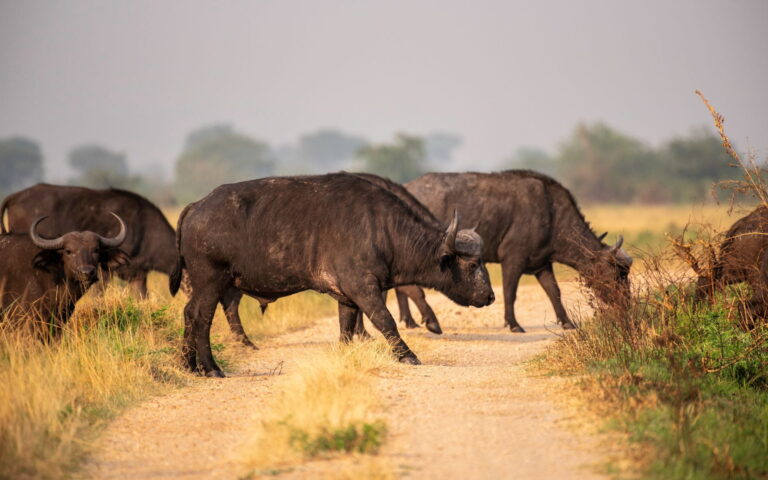
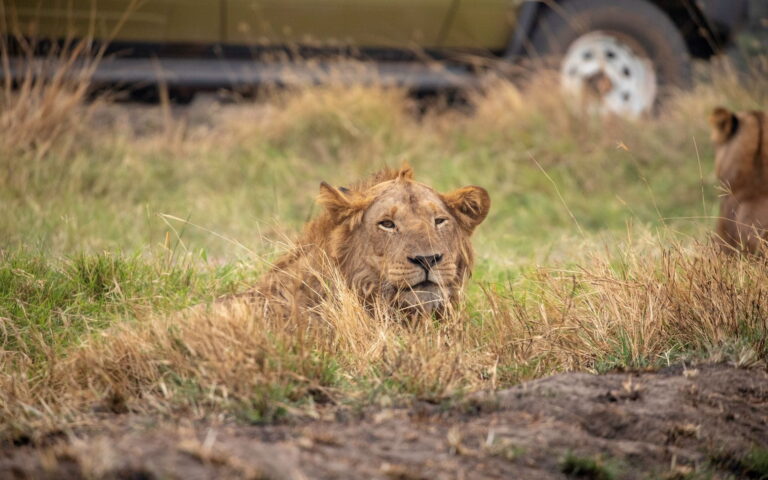
Beyond the migration, the Maasai Mara offers some of the finest Big Five game viewing in Africa year-round. Its lion prides are large and well-studied, its leopard sightings frequent, and its elephant herds among the most relaxed and approachable on the continent.
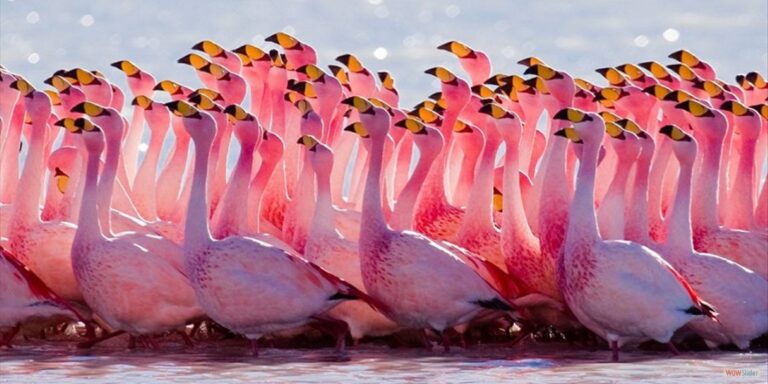
Kenya’s safari circuit extends well beyond the Mara. Amboseli National Park, which is located at the base of Mount Kilimanjaro, provides one of the most photogenic scenes of elephants migrating with Mount Kilimanjaro towering behind them. This picture, possibly the most captured scene in wildlife photography in Africa, features Africa’s highest mountain. Samburu National Reserve, which is situated in the dry northern part of the country, houses many rare species not found anywhere else in the country. Located in the Great Rift Valley, Lake Nakuru National Park is home to not only black but also white rhinos and hosts an enormous number of flamingos that color its lakefront pink.
One can hardly find a Kenya safari tour without including Maasai in the list of places to see. Exploring Maasai culture, which implies learning about their nomadic lifestyle and centuries of living side by side with wild animals, makes your trip even more memorable.
Tanzania Safari: Size, Seclusion, and Prehistoric Glory.
Transitioning from Kenya to Tanzania is more of an elevation in tone than a decline in quality. Tanzania is not only the largest safari destination in Africa, but it also wears its title with dignity and humility. Where Kenya’s parks tend toward accessibility and familiarity, Tanzania’s wilderness offers scale, depth, and a sense of genuine remoteness that is increasingly rare in the modern world.
Serengeti National Park is the southern and central stage of the Great Migration, hosting the wildebeest herds for the greater part of the year. Calving season on the southern plains between January and March is among the most remarkable wildlife events anywhere on earth, with approximately half a million wildebeest calves born within a matter of weeks and the predators that follow close behind.
Ngorongoro Conservation Area offers an entirely different kind of encounter. The Ngorongoro Crater a collapsed ancient volcano forming a natural enclosure of 260 square kilometers shelters the densest concentration of large mammals on the planet. Lions, elephants, hippos, black rhinoceros, and an astonishing variety of birdlife share this extraordinary bowl of land in a concentration that makes every game drive feel like stepping inside a living natural history exhibit.
For the traveler willing to venture further, Tarangire National Park celebrated for its ancient baobab trees and enormous elephant herds and the remote Ruaha National Park in southern Tanzania offer deeply rewarding eco-tourism experiences well away from the busier northern circuit.
Planning the Combined Kenya and Tanzania Safari.
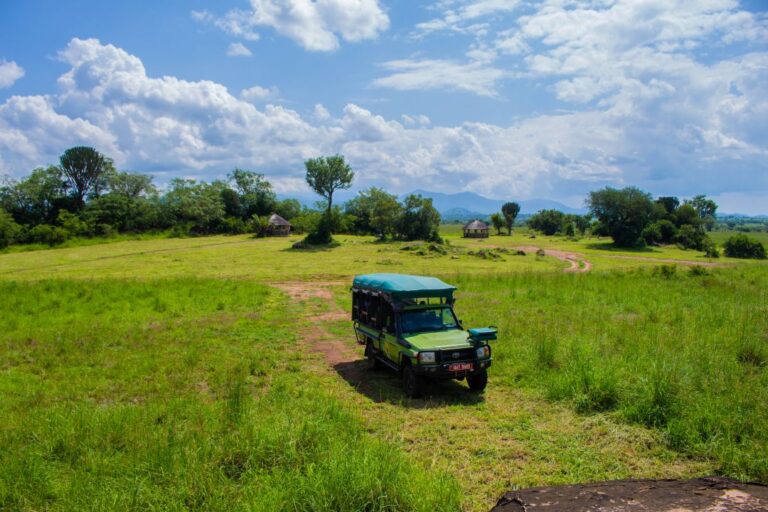
A combined Kenya and Tanzania safari is ideally structured over twelve to sixteen days in order to have the massive safari experience. A well-paced itinerary begins in Nairobi, moves through the Masai Mara, crosses into Tanzania via the Serengeti, continues to Ngorongoro, and concludes in Arusha. Overland routes and chartered flights to and from the parks are also possible. The best time for travel is during June to October, which marks the peak of the river crossings by the Great Migration in the Maasai Mara and the dry season in Tanzania where wildlife sighting becomes excellent.
One Ecosystem, Two Countries, Infinite Fascination.
The reason why the combination of Kenya and Tanzania will always be so fascinating is because there is a realization that these two nations are not only neighbors, but they share an ecosystem, a tradition of conservation, and wildlife that is very important to the whole world. It takes visiting both of them to understand the entirety of East African conservation efforts. It is, without question, one of the greatest journeys any traveler can make in 2026. For more information that you would wish to know about combining Kenya and Tanzania safari itinerary, immediately contact us or make a safari inquiry at WildApes Safaris and you will not get disappointed.