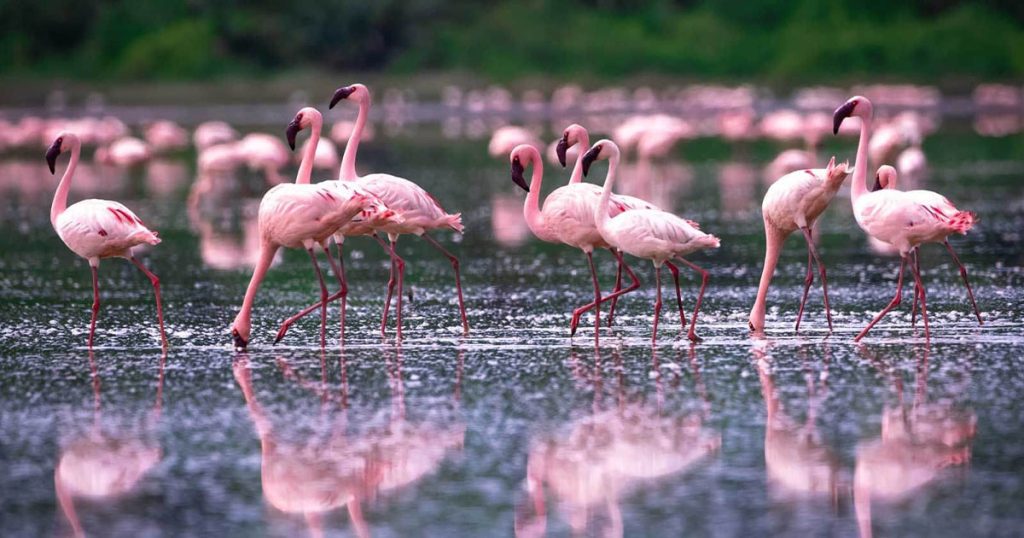
Day 1: Urban Birding in Kampala City.
Pick and begin your safari with an early morning birding walk around the lush, mature canopy of the Makerere University campus and the serene grounds of the Bahai Temple. Look out for the Great Blue Turaco, Eastern Grey Plantain-eater, Hooded Vultures, and Marabou Storks.
In the afternoon drive towards the shores of Lake Victoria in Munyonyo. The shoreline and lakeside vegetation are excellent for spotting the African Open-billed Stork, Long-crested Eagle, Pink-backed Pelicans, and various kingfishers. Transfer to your lodge in Kampala or Entebbe for dinner and an overnight stay.
Day 2: Lakeside and Wetland Birding in Entebbe.
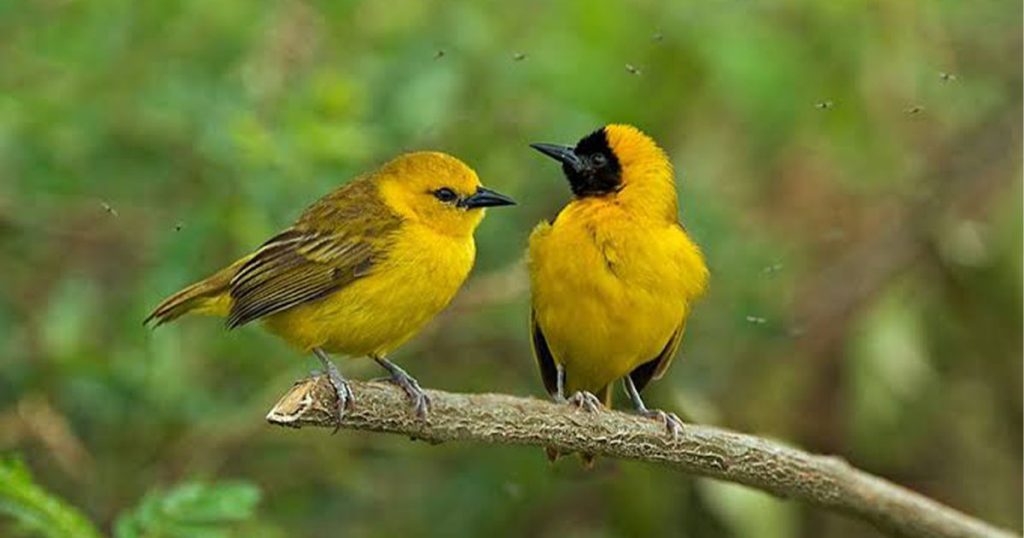
After breakfast, spend your morning exploring the century-old Entebbe Botanical Gardens. This site boasts over 150 bird species across forest and lakeside habitats. You will actively track Black-and-white-casqued Hornbills, Ross’s Turacos, Orange Weavers, and the African Grey Parrot.
In the afternoon head to Lutembe Bay, a critical stopover for millions of Palearctic migratory birds. It is a best location for spotting various terns, gulls, sandpipers, and herons. Dinner and overnight stay.
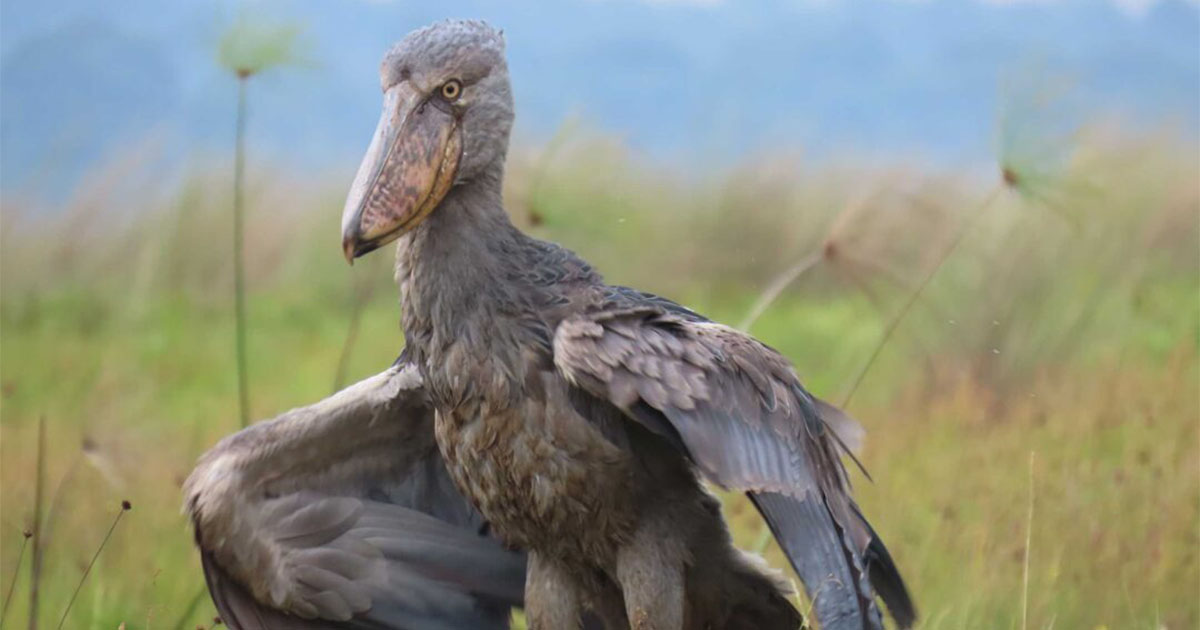
Day 3: Shoebill Watching at Mabamba Swamp.
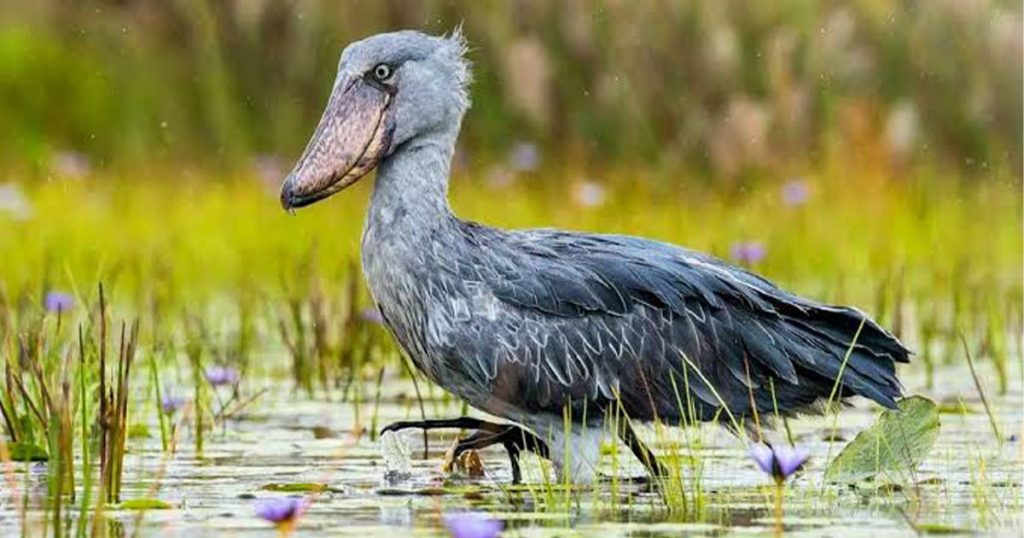
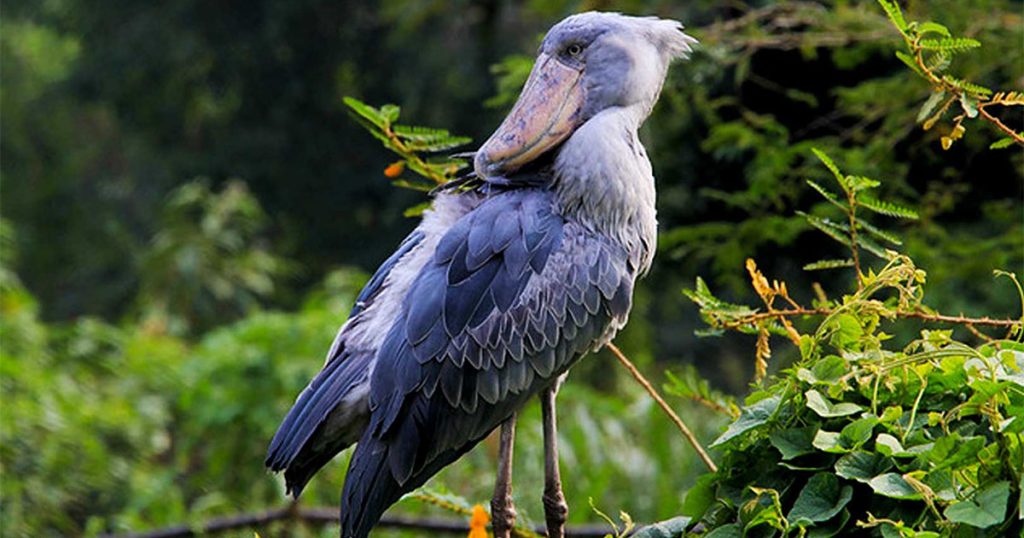
After breakfast, depart very early (by 7:00 AM) to catch the birds when they are most active. Take a motorized boat from Nakiwogo Pier in Entebbe to the Mabamba Wetland, a globally recognized Ramsar Site. Switch to a traditional wooden canoe to quietly move into the narrow papyrus channels. Your community guide will help track the elusive Shoebill Stork as it hunts for lungfish.
In the afternoon continue exploring the channels for papyrus-restricted specialists such as the Papyrus Gonolek, White-winged Swamp Warbler, Blue Swallow, and Malachite Kingfishers. Return to Entebbe for a relaxed evening.
Day 4: Forest Birding at Mpanga Forest and Departure.
Meet your safari driver after breakfast and drive a short distance to Mpanga Forest Reserve, an accessible equatorial rainforest packed with biodiversity. This is where you will walk beneath the dense canopy to spot unique forest specialists like the Green-breasted Pitta, African Pied Hornbill, and various greenbuls and barbets.
In the afternoon return to Entebbe or Kampala, packing up your gear for an evening transfer to Entebbe International Airport for your departure flight that brings your safari to the end.