


Is Tanzania Safari Better Than Kenya? An Honest Comparison for Safari Travellers.
Is Tanzania safari better than Kenya is one of the most frequently asked questions in East African travel, and it is one that generates genuinely passionate opinions on both sides. Is a Tanzania safari better than a Kenya safari? The honest answer and the only answer that actually serves a traveler trying to make a real decision is that neither country is objectively better than the other. They are different in ways that matter enormously depending on what kind of traveler you are, what you most want to experience, and when you are planning to go. Both Tanzania and Kenya offer world-class wildlife, extraordinary landscapes, and safari experiences that rank among the finest available anywhere on earth. Understanding the real differences between them is what allows you to make a genuinely informed choice rather than relying on someone else’s preference.
The Wildlife Remarkably Similar, Subtly Different.
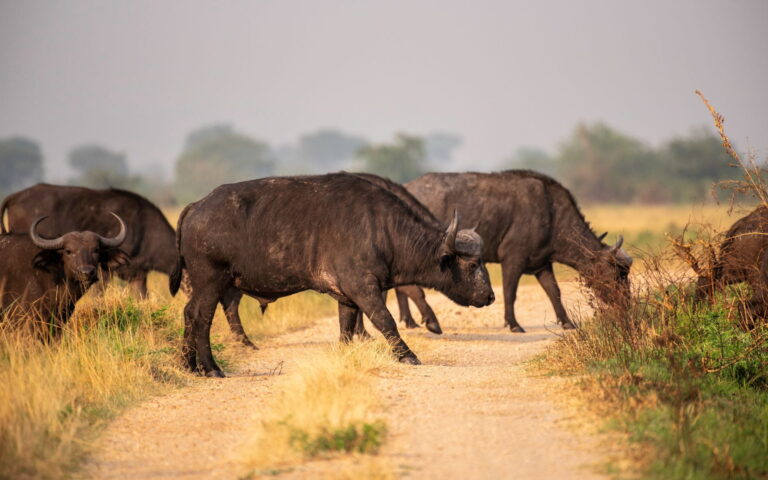
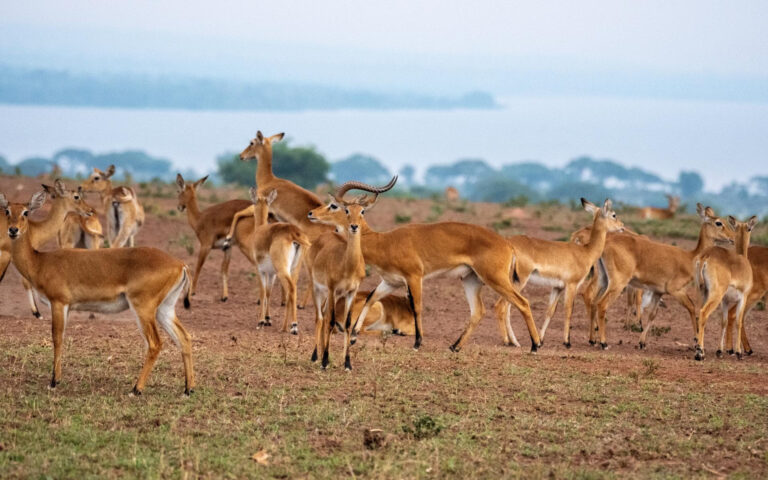
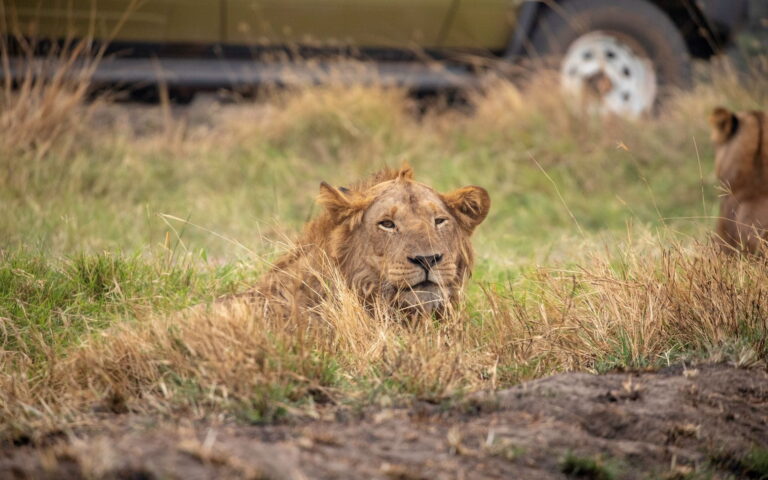
At the headline level, the wildlife available in both countries is broadly comparable. The Big Five are present and reliably seen in both Kenya and Tanzania. The Great Migration passes through both countries in a continuous annual cycle. Lions, leopards, cheetahs, elephants, buffalo, hippos, crocodiles, giraffes, and an extraordinary variety of antelope species inhabit the safari ecosystems of both destinations in healthy and thriving populations. A first-time safari visitor to either country will come home having seen extraordinary animals in extraordinary landscapes and will have absolutely no cause for complaint regardless of which side of the border they chose.
The differences emerge when you look at the specific wildlife experiences each country does particularly well. Tanzania has a genuine advantage in sheer wildlife density and ecosystem size. Serengeti National Park at 14,750 square kilometers is significantly larger than the Masai Mara National Reserve at around 1,500 square kilometers for the main reserve, and the sense of vast, uninterrupted wilderness this creates is one of Tanzania’s defining qualities. Tanzania also has the Ngorongoro Crater a unique and extraordinary ecosystem with no direct equivalent in Kenya where the concentration of wildlife within a single volcanic bowl produces a quality of game viewing that is genuinely unmatched anywhere in Africa. Kenya’s advantage lies in the accessibility and intimacy of its wildlife areas, the outstanding private conservancy system surrounding the Masai Mara, and specific species strongholds like the Samburu Special Five that are simply not available in Tanzania.
The Safari Infrastructure Kenya’s Practical Edge.
Kenya has been developing its safari tourism infrastructure for longer than Tanzania, and the practical benefits of that head start show clearly in the ease and efficiency of organizing a Kenya safari. Nairobi is one of the best-connected international hubs in Africa, with direct flights from Europe, North America, Asia, and the rest of the continent making access straightforward from virtually anywhere. The road network to main safari destinations is in good condition, domestic flights offer a high frequency and reliability, and the choice of accommodation options to suit every budget is extensive and well developed.
Tanzania is catching up rapidly and its infrastructure has improved enormously in recent years, but remote destinations like Ruaha and Nyerere in the south still require more logistical planning and generally higher budgets to access properly than equivalent Kenyan destinations. The northern circuit around the Serengeti and Ngorongoro is well developed and straightforward to navigate, but the overall ease of travel in Tanzania is slightly lower than in Kenya for the average international visitor.
The Cost Comparison Tanzania Is Generally More Expensive.
This is a meaningful practical difference that affects safari planning at every budget level. Tanzania’s national park fees are among the highest in Africa Serengeti entry currently costs around $80 per person per day and the overall cost of a well-planned Tanzania safari typically runs higher than a comparable Kenya itinerary. The remoteness of Tanzania’s finest wilderness destinations means that internal charter flights are often necessary rather than optional, adding significantly to the total budget. Kenya’s park fees are comparable but its more developed road network means that road transfers are viable for more destinations, keeping costs more manageable for mid-range and budget travelers.
The Migration the Same Spectacle, Different Chapters.
Since the Great Migration is continuous and circular, both countries offer outstanding migration experiences they simply offer different chapters of the same annual story. Tanzania hosts the calving season between January and March, the northward movement through the western corridor in April to June, and the Grumeti River crossings in June and July. Kenya hosts the famous Mara River crossings between July and October. Neither country has a monopoly on the migration, and choosing between them for a migration safari is simply a question of which chapter most appeals to you and when you can travel.
Culture and Human Experience.
Both Kenya and Tanzania offer rich and varied cultural encounters alongside their wildlife experiences, but the character of those encounters differs meaningfully. Kenya’s Maasai communities are among the most visible and most engaged with tourism of any indigenous group in Africa, and cultural visits in the Mara region add a human dimension to the wildlife experience that many travelers rate among their safari highlights. Tanzania’s cultural scene is richer and more varied: from the Swahili coast, Zanzibar’s Stone Town, the Hadzabe hunter-gatherers at Lake Eyasi, to the pastoralists in the Ngorongoro Conservation Area, they are all different and very interesting in their own right.
The Honest Verdict.
Tanzania edges ahead for sheer ecosystem size, wildlife density, and the unique Ngorongoro experience. Kenya edges ahead for accessibility, infrastructure, cultural intimacy, and value at the budget and mid-range levels. For travelers who can only choose one, the decision should be made on the basis of personal priorities rather than any objective ranking. For travelers with the time and budget for both, the combination delivers the complete East African safari experience in its richest and most satisfying form. For more information about Is Tanzania Safari Better Than Kenya, and the entire East Africa Tours immediately contact us at WildApes Safaris and you will not get disappointed.