

Do Tanzania Safaris Operate All Year?
Tanzania safaris operate throughout the entire year without exception, and the national parks, wildlife conservancies, and safari operators that deliver the country’s extraordinary wildlife experiences maintain their services across every month of the calendar. This is genuinely good news for travelers whose ideal travel dates are determined by school holidays, work commitments, or budget considerations rather than by the seasonal wildlife calendar Tanzania will always have something extraordinary to offer whenever you are able to go. That said, different months deliver meaningfully different wildlife experiences, different landscape characters, and different practical conditions that are worth understanding clearly before committing to specific travel dates. Here is your complete year-round guide.
The Simple Answer; Tanzania Is Open All Year.
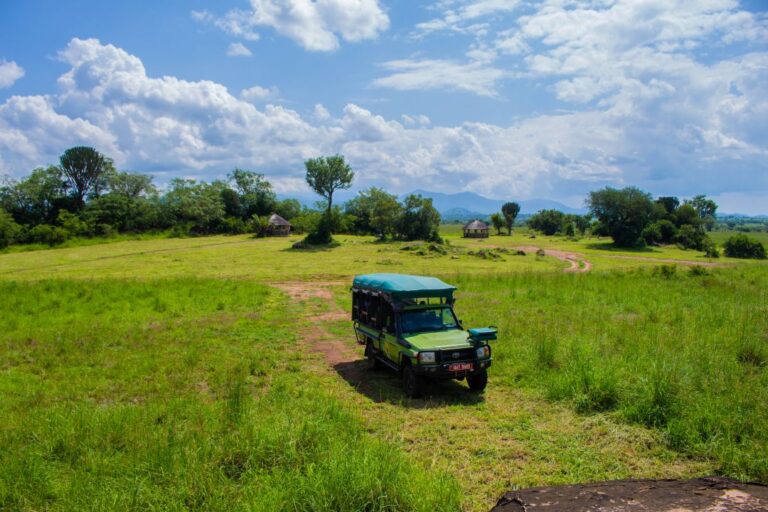
Tanzania National Parks TANAPA manages its parks on a year-round operational basis with no seasonal closures for any of the major safari destinations including Serengeti National Park, Ngorongoro Conservation Area, Tarangire National Park, Lake Manyara National Park, Ruaha National Park, and Nyerere National Park. Gates open at 6am and close at 7pm every day of the year, and the wildlife which has no awareness of seasons from a tourism perspective is present and active throughout. The safari operators, lodges, and camps that serve these parks maintain their services year-round, though some budget and mid-range properties in less-visited areas reduce their offerings or close temporarily during the heaviest weeks of the long rains between April and May.
January and February; Outstanding Dry Season Conditions.
January and February fall within Tanzania’s short dry season and represent one of the finest and most underrated safari windows of the entire year. The short grass plains of the southern Serengeti and the Ndutu area are at their most extraordinary during this period calving season produces hundreds of thousands of wildebeest calves within weeks, drawing lions, cheetahs, leopards, hyenas, and wild dogs to the area in extraordinary concentrations. Tarangire delivers excellent elephant viewing with large herds moving through the park. Ngorongoro’s crater floor is accessible and productive throughout. Visitor numbers are lower than peak season and accommodation rates are more competitive making January and February one of the most genuinely excellent value windows for Tanzania safari.
March; Transition Month.
March marks the beginning of the long rains and conditions begin shifting toward the wet season character. Early March remains productive before the heaviest rains arrive in the second half of the month. The landscape begins its dramatic greening transformation and birdlife becomes increasingly active as migratory species arrive.
April and May; The Green Season.
April and May represent Tanzania’s quietest safari period and carry the most challenging game viewing conditions of the year. Heavy rains can make some tracks difficult, long grass reduces visibility for smaller predators, and several camps reduce services during this period. However, the parks remain open and deliver their own distinctive character lush green landscapes of extraordinary photographic beauty, outstanding birdwatching as the ecosystem responds to the rains, dramatically reduced visitor numbers, and accommodation rates at their lowest of the year. For photographers, birdwatchers, and travelers who specifically value genuine solitude in the bush, April and May have a genuine and compelling appeal.
June; Conditions Improve Rapidly.
June marks the beginning of Tanzania’s finest safari season as the long dry season takes hold and conditions improve rapidly across every major destination. The Serengeti’s western corridor becomes particularly exciting as wildebeest herds push northwest toward the Grumeti River crossings. Wildlife begins concentrating around permanent water sources. Vegetation dries and thins providing dramatically improved visibility. June is an excellent month to visit before peak season pricing and visitor numbers arrive in July.
July, August and September; Peak Season Excellence.
These three months represent Tanzania’s peak safari season and the window that most first-time visitors target for the most dramatic and most consistently rewarding wildlife viewing of the year. Dry season conditions are fully established, the Great Migration is unfolding across the northern Serengeti with Mara River crossings at their most dramatic, prey concentrations draw all major predators to visible and accessible locations, and the landscape’s dry golden character creates photographic conditions of extraordinary beauty. Accommodation books up many months in advance and pricing is at its annual peak book early and expect premium costs in exchange for genuinely premium wildlife experiences.
October; Excellent Conditions with Easing Crowds.
October continues the excellent dry season game viewing with gradually easing visitor numbers as the European and American summer holiday period ends. Wildlife remains concentrated and active, migration herds are still present in the northern Serengeti, and the parks have a noticeably quieter character than August. October is one of the finest and most underappreciated Tanzania safari months.
November and December; Short Rains and Year-End Value.
November brings the short rains which are generally lighter and more intermittent than the long rains, typically arriving in brief afternoon showers. The landscape turns green and beautiful while morning safari conditions remain largely excellent. December sees the short rains taper and dry season conditions return by mid-month. The Christmas and New Year period sees elevated demand and pricing for premium properties book well ahead for late December travel.
In conclusion; Tanzania safaris operate every day of every month of every year, and the wildlife that makes this country so extraordinary is present and active throughout the calendar without exception. The question is not whether you can go you always can but rather which chapter of Tanzania’s continuously unfolding wildlife story you most want to witness. For more information that you would wish to know more about if Tanzania safaris operate all year and every kind of information that you may need to know about different Tanzania safaris in its different destinations that is Serengeti national park, Lake Manyara National Park, Tarangire National Park, Arusha National Park, Ruaha National Park, Nyerere National Park and among many others. Simply contact us or make a safari inquiry at WildApes Safaris and our safari experts will be more than ready to plan and then prepare for you a wonderful safari itinerary that will bring your safari dream to turn into a reality.