
Why go for gorilla trekking not gorilla habituation in Uganda.
For the vast majority of travelers planning a Uganda gorilla safari, the standard one-hour trek remains the smarter choice over the four-hour Gorilla Habituation Experience, and the reasoning comes down to more than just the price difference. Standard trekking safari offers a fully trained, predictable gorilla family, access to over 23 habituated groups across four sectors instead of just two semi-habituated families in Rushaga, considerably easier permit availability, and an encounter that, for most first-time trekkers, delivers everything they actually came for without the added cost, physical demand, and uncertainty that come with the habituation route.
Standard Trek Gives You a Fully Trained Family.
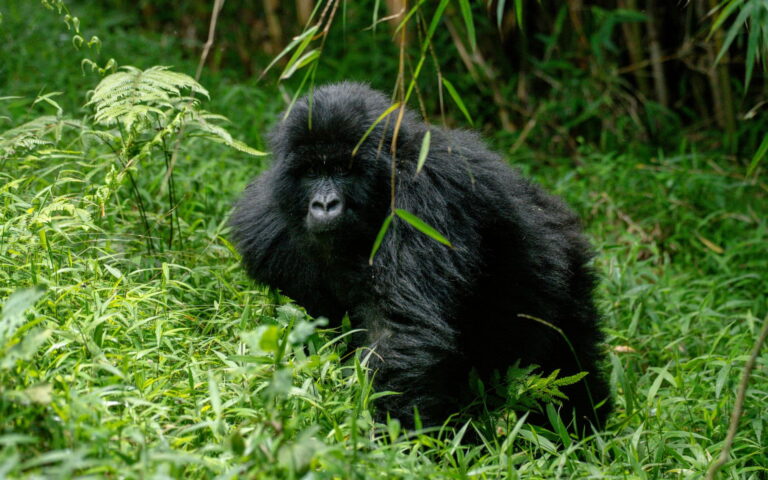
A habituated gorilla family has been through years of careful, deliberate work to reach the point where it tolerates close human observation calmly and predictably. That matters more than it might seem. Fully habituated families behave consistently around visitors, continuing to feed, rest, groom and interact naturally rather than reacting with wariness or unpredictable movement, which means the viewing experience itself tends to be calmer and more settled.
The semi-habituated families used in the habituation experience, by contrast, are still partway through that process, and while that’s precisely the appeal for travelers attracted to the activity, it also means more unpredictable behaviour, more movement, and occasionally a less composed encounter than a standard trek with a fully trained family delivers.
Far More Families Means Far More Flexibility.
Uganda’s standard trekking system spans over 23 habituated gorilla families across Bwindi’s four sectors, Buhoma, Ruhija, Rushaga and Nkuringo, plus Mgahinga’s additional family in the Virunga range. The habituation experience, by comparison, is restricted entirely to two families in Rushaga, with only four permits issued per day across both groups combined. That gap in scale has real practical consequences.
Standard trekking permits are considerably easier to book, even on relatively short notice outside peak season, while habituation permits, given their tiny daily allocation, routinely sell out months in advance during the June-to-September and December-to-February peak windows. For travelers without the luxury of booking a year ahead, or those hoping to adjust travel dates with any flexibility, standard trekking is simply the more realistic option.
Cost Difference Is Significant.
A standard Uganda gorilla trekking permit costs $800, against $1,500 for the habituation experience, nearly double the price for four times the viewing window. On paper, that sounds like better value for the habituation route, but the math only works out favorably if extended viewing time is genuinely what a traveler wants most. For most first-time trekkers, the goal is simply to see and spend meaningful time with wild mountain gorillas, a goal a standard one-hour trek accomplishes completely.
The extra $700 saved by choosing standard trekking can instead go toward an additional night of accommodation, a second activity like chimpanzee tracking or a Kazinga Channel boat cruise, or simply reducing the overall cost of what is already an expensive trip once flights, permits and lodging are all factored in.
One Hour Is Genuinely Enough for Most Travelers.
It’s worth pushing back directly on the assumption that more time automatically means a better experience. Reviews from travelers who’ve done standard treks consistently describe the hour as intense, focused and complete, precisely because its brevity sharpens attention rather than diluting it.
Watching a gorilla family groom, feed and interact at close range for a full, uninterrupted hour is, for most people, already an overwhelming and deeply memorable experience, one that doesn’t necessarily improve by being stretched to four hours. Some travelers who’ve done both report that the additional time in a habituation experience, while valuable for photographers or those with a specific research interest, can occasionally feel less essential once the initial novelty of extended access settles into a longer, more repetitive viewing session with a less settled gorilla group.
Habituation Comes With More Physical Demand.
Semi-habituated gorilla families tend to range more widely and less predictably than fully trained trekking groups, since their movement patterns haven’t yet settled into the more consistent routines that come with complete habituation. That means habituation experience treks can sometimes involve longer, more physically demanding hikes to locate the family, on top of the extended four-hour viewing period itself, making for a considerably longer and more tiring day overall.
Standard Trekking Pairs Better With a Long Itinerary.
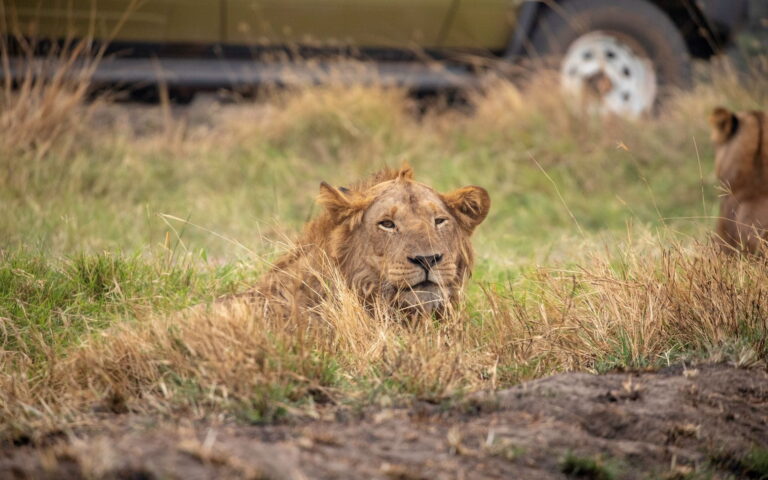
Most travelers build their Uganda trip around more than just gorillas, adding chimpanzee tracking in Kibale or Budongo, game drives and boat cruises in Queen Elizabeth National Park or Murchison Falls, and the tree-climbing lions of Ishasha. A standard trek’s predictable one-hour commitment, plus a half-day or full-day built around the hike itself, leaves far more room in an itinerary for these additional activities than a habituation experience’s longer, more demanding day does. Travelers trying to pack several parks and activities into a limited trip generally find standard trekking fits more comfortably into a tighter schedule, since it doesn’t consume as much of a single day’s energy and time as the extended habituation format.
Who the Habituation Experience Genuinely Suits.
None of this means the habituation safari experience isn’t worth it for the right traveler. It remains the better choice for serious wildlife photographers who want extended shooting time without the one-hour pressure, for repeat trekkers who’ve already done a standard trek and want something deeper, and for travelers with a genuine interest in the conservation and research side of gorilla tourism who find the habituation process itself as compelling as the gorillas.
But these are specific, somewhat niche motivations, not the default reason most people book a gorilla trek in the first place, and travelers should be honest with themselves about which category they actually fall into before paying nearly double the standard permit price.
Making the Right Choice for Your Trip.
The decision ultimately comes down to matching the safari experience to what you actually want out of it. First-time trekkers, travelers on a tighter budget, those building a long Uganda safari itinerary, and anyone wanting the more predictable, better-tested version of the encounter are almost always better served by standard trekking. The habituation experience exists for a real but narrower purpose, and treating it as automatically superior simply because it offers more time overlooks what most travelers are actually looking for: a complete, powerful wildlife encounter that doesn’t require four hours or an extra $700 to deliver.
Conclusion; Choosing standard gorilla trekking over the habituation experience isn’t settling for less, it’s choosing the version of the encounter built for exactly what most travelers want: a predictable, fully trained gorilla family, far greater permit availability, a lower cost, a more manageable physical day, and more room left in the itinerary for everything else Uganda has to offer. The habituation experience earns its place for a specific kind of traveler, but for the first-time trekker weighing which permit to book, the standard one-hour trek remains the smarter, more complete choice, and the one that most consistently delivers the profound encounter travelers actually came to Uganda for with WildApe Safaris.