
What Languages Are Spoken on Tanzania Safaris?
One of the major concerns that may arise amongst first-time tourists going on safari is that of language. Do the guides know English? Would you be able to pose queries, comprehend safety briefs and gain knowledge on the various animals seen on a safari? Rest assured, the tourism sector in Tanzania is well-established and welcomes international tourists, with English being the dominant language in safaris. This would probably be enough for any tourist planning a Tanzanian safari, but the reality is that there are several languages in play during an actual safari.
English: The Language of Tourism.
English is the language of choice for the safari business in Tanzania. For all qualified tour guides operating in the nation’s protected areas, fluency in English is a requirement. They receive intensive training in wildlife biology, first aid, and English language acquisition. A typical guide speaks excellent English, often learned in school and refined through years of interacting with international guests.
You will conduct your entire safari in English. It would assist you in understanding the behavior of animals, answering your questions, and pointing out things that may have gone unnoticed otherwise. The pre-drive and walk briefings are provided in the English language. The lodge or camp staff, which includes receptionists and waiters, can converse fluently in English for handling day-to-day activities such as check-ins and ordering food.
If you have any difficulties with English, some operators provide guides who speak French, German, Italian, or Spanish. Such guides are usually provided only at high-end safari camps or specialized operators. In case you need a particular language guide, it is advisable to ask for that service when making a reservation.
Swahili Language: The Pulse of East Africa.
Swahili, whose local name is Kiswahili, is the national language of Tanzania and the lingua franca of East Africa. The vast majority of Tanzanians speak Swahili, whether alongside their indigenous tongues or as a second language. While Swahili may not be essential knowledge during your safari journey, picking up a bit of vocabulary goes a long way.
Your guide will use Swahili when speaking with park rangers, lodge staff, and community members. You will be surrounded by the language all the time, even if you do not understand it. Saying basic greetings is very important because they open doors for you. A friendly “Jambo” or “Hujambo” (hello) is very helpful. “Asante” means thank you.
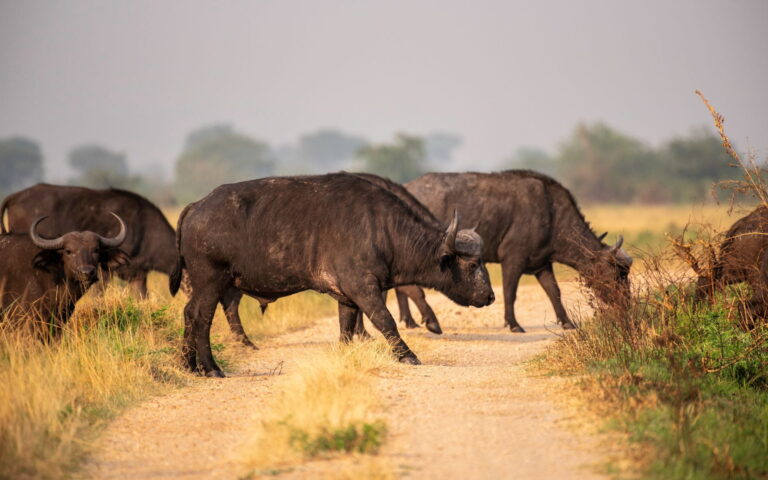
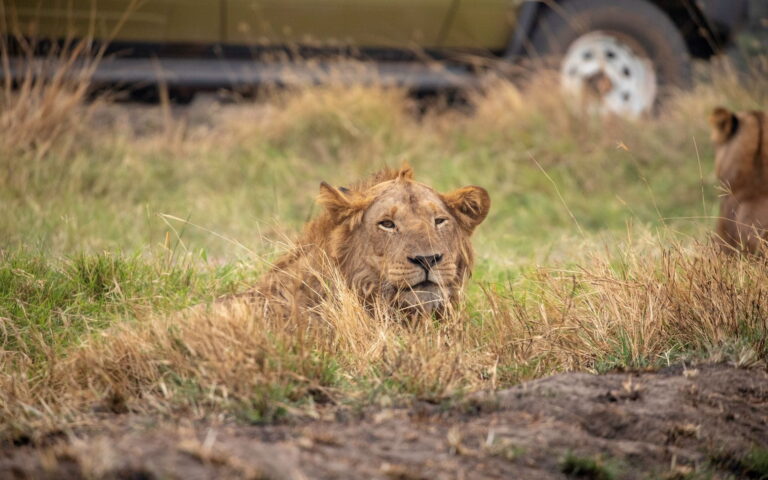
Some wildlife terms in Swahili have entered the international safari vocabulary. “Safari” itself means journey. “Simba” is lion. “Tembo” is elephant. “Kifaru” is rhino. “Chui” is leopard. “Nyati” is buffalo. Knowing these words adds depth to your experience. When your guide says “simba” over the radio, you know exactly what has been spotted.
The Swahili language is also used in the name of various places in the country. The Serengeti name means “endless plains” in Maasai language, where the word “siringet” is used. The term “Manyara” denotes euphorbias, which grow around the lakes. “Ngorongoro” is an onomatopoeia Maasai word for the ringing of cowbells.
Tribal Languages: The Voices of the Land.
Tanzania is home to more than one hundred twenty ethnic groups, each with its own language or dialect. The Maasai, Chaga, Hadzabe, and Datoga are among the communities you might encounter during cultural visits arranged as part of a safari itinerary.
The Maasai language, Maa, is spoken by the Maasai people who live around the Ngorongoro Conservation Area and parts of the Serengeti. A Maasai guide or cultural host will greet you with “Supa” (hello) and may teach you a few words during a village visit. The Hadzabe, one of the last hunter-gatherer groups in Africa, speak a language with click consonants similar to those found in southern African Khoisan languages. Listening to a Hadzabe hunter describe his day in his mother tongue, even without understanding the words, is a cultural experience in itself.
You don’t need to master any of these languages. You’ll have an English-speaking guide who will translate for you during your cultural tours.
Practical Advice for Travelers.
If you speak only English, you will have no trouble communicating on a Tanzanian safari. The tourism industry has been built around English-speaking visitors for more than a century. All major lodges, camps, and tour operators cater to English speakers as their primary market.
But there’s much to be gained from knowing a few Swahili words. Your guides and hosts will appreciate your efforts greatly. Basic words such as “habari” (how are you?) and “pole pole” (slowly, slowly) are simple to learn and very enjoyable to use. Don’t forget to take along a little phrase book or download a Swahili app.
For those who do not understand English, it is wise to research tour operators beforehand. There are a number of tour operators that specifically cater to people whose native language is French, German, Italian, or Spanish. The guides working for these tour operators will have command of both languages and will also know about the wildlife in the area.
In Conclusion; Language must not become a deterrent to your Tanzania wildlife tour. The official language in use in the safari industry is English, and it is spoken fluently and confidently by expert guides. There is no requirement to know Swahili; however, it enriches the trip. Tribes use their indigenous tongues in culture visits, with translation services available. Pack your curiosity along with your binoculars. The guides, the animals, and the landscapes all have stories to tell. The language of those stories is one you already understand.
For more information that you may need to know about the different languages that are used on the Tanzania safari, or knowing about the different safaris in Tanzania from watching the annual great migration in Serengeti National Park to watching the Big five mammals in Ngorongoro Conservation Area and among many others. Do not hesitate to contact us at WildApes Safaris and our expert tour consultants will advise you and then help you to plan for you a wonderful safari itinerary that will bring your African safari dream into a reality.