

What Is the Best Time to Do Game Drives in Tanzania?
Timing your game drives in Tanzania is one of the most important and most practical decisions you make as a safari traveler, and getting it right makes an enormous difference to the quality and variety of wildlife encounters you experience across every day in the bush. Tanzania’s wildlife is extraordinarily abundant and consistently present across its major parks, but animals are not equally active or equally visible at all hours of the day. Understanding the rhythms of the ecosystem when predators hunt, when elephants move, when the light is at its finest for photography, and when the heat of the midday sun drives everything into shade is the foundation of genuinely rewarding game drive planning. Here is your complete guide to the best times for game drives in Tanzania.
The Dawn Drive; Tanzania’s Most Productive Wildlife Window.
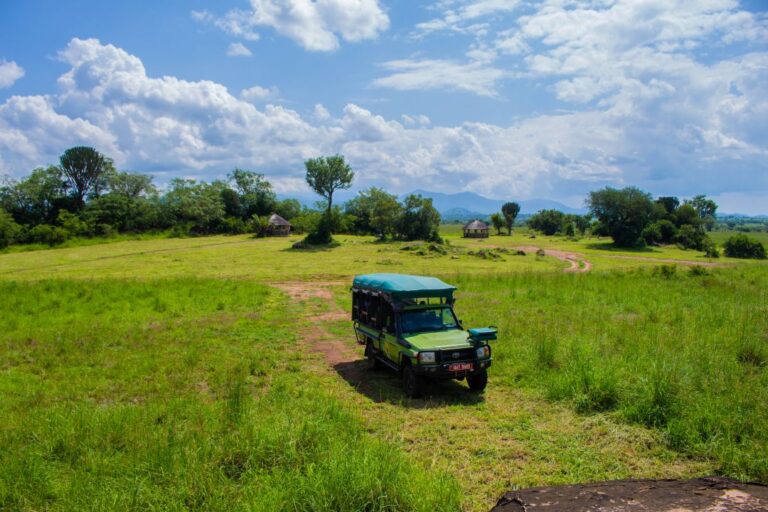
The early morning game drive beginning before or at sunrise is the single most important and most productive wildlife viewing window of the entire day in Tanzania, and experienced guides across the Serengeti, Tarangire, Ruaha, and every other major park in the country will tell you the same thing without hesitation. The period between approximately 6am and 10am is when the ecosystem is at its most alive and most active, driven by the cooler temperatures of the early morning and the instinctive behavior patterns of predators and prey that have evolved over millions of years.
Lions, leopards, cheetahs, and hyenas are all significantly more active in the early morning hours than at any other time of day. Predators that hunted during the night are still mobile and observable in the first two hours of daylight before the heat encourages them to rest in shade. Cheetahs specifically are almost exclusively diurnal hunters who begin searching for prey at dawn, and the early morning is by far the most reliable time to observe them actively scanning the plains and initiating hunts. Elephant families move between water sources and feeding areas in the morning with a purposeful energy that makes encounters more dynamic and more revealing than the static midday resting behavior that characterizes their afternoons.
The light quality during the dawn drive is an additional and enormously significant factor for anyone with a camera. The golden hour the first thirty to forty-five minutes after sunrise produces a warm, directional, low-angle light that transforms wildlife photographs from competent records of a sighting into genuinely beautiful images. The colour palette of the Serengeti plains in early morning light, the way that light sculpts elephant skin and lion manes, and the long dramatic shadows that animals cast across the golden grass in the first hour of daylight are all experiences that midday driving simply cannot replicate at any level.
The Midday Break; When to Rest and When to Stay Out.
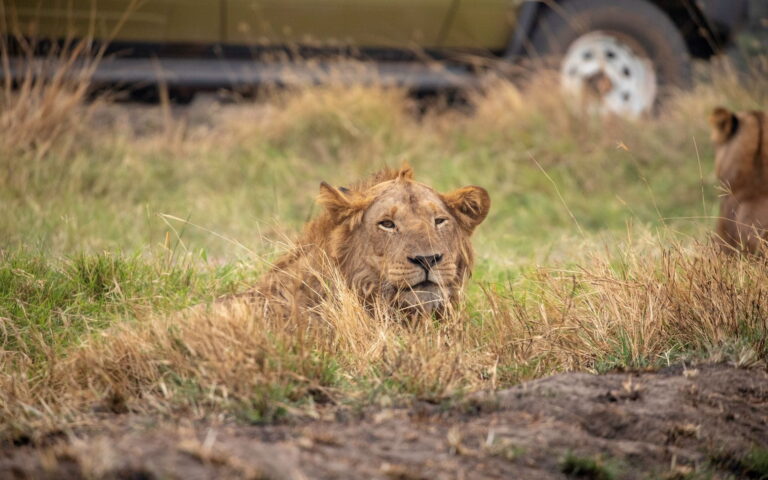
The hours between approximately 10am and 3pm represent the least productive game driving window of the day across most of Tanzania’s safari destinations. The heat of the equatorial midday sun drives most wildlife into shade lions sprawl under acacia trees, leopards drape across branches in riverine forest, and even the normally active elephant herds slow their movement and seek the shelter of woodland. Game drive vehicles that continue through these hours often find long stretches between sightings, and the flat, harsh overhead light of midday makes photography unrewarding.
Most lodges and camps structure their daily safari schedule around this midday reality, serving lunch between 10am and noon after the morning drive and encouraging guests to rest, read, swim, or enjoy the camp environment during the early afternoon before the late drive departs. This rhythm of early morning intensity followed by midday recovery is one of the most sensible and most enjoyable aspects of the Tanzania safari schedule, and surrendering to it rather than fighting it produces a quality of daily experience that continuous game driving cannot match.
There are specific exceptions to the midday rest rule worth knowing.
The Ngorongoro Crater’s confined environment and permanent water sources mean that wildlife remains visible and active throughout the day within the crater floor, and a full day in the crater from the 6am opening to the 6pm closure is genuinely worthwhile. Water sources like the Aruba Dam in Tarangire and the Seronera River in the Serengeti produce reliable midday wildlife activity as animals visit to drink during the hottest hours, and stationing your vehicle beside a productive waterhole during midday can deliver outstanding sightings that open plain driving in the same period would not.
The Afternoon Drive; Golden Light Returns.
The late afternoon game drive departing between 3pm and 4pm and running until the park gates close at 6pm or 7pm depending on the specific area is the day’s second great wildlife viewing window. As temperatures drop and the light begins its return to the golden quality of early morning, predators become active again, herbivores emerge from shade to graze, and the plains come alive with the movement and energy that defines the finest Tanzania safari moments. The afternoon light from approximately 4pm onward produces photographic conditions approaching the quality of dawn and gives every sighting a warmth and visual richness that flat midday light completely lacks.
The Seasonal Dimension Dry vs Wet Season Drives.
During the dry season from June to October game drives in the morning are particularly outstanding as wildlife concentrates around permanent water sources and vegetation is low enough for excellent visibility across open distances. During the green season the lush vegetation and dispersed water sources make early morning drives particularly important as this remains the period when predator activity is highest regardless of conditions.
In conclusion; The best Tanzania game drives happen to those who rise early, stay patient, and trust the rhythm of the wild. For more information about the best timing for the game drives on the different Tanzania safari destinations that is Serengeti National Park, Lake Manyara National Park, Tarangire National Park, Ngorongoro Conservation Area and among others, do not hesitate to contact us at WildApes Safaris and we shall plan for you a fantastic safari experience with unforgettable safari memories.