

How Hot Is Kenya During Safari Season?
One of the most practical and most frequently asked questions among first-time Kenya safari travelers is also one of the most reassuring to answer how hot does it actually get during safari season, and will the heat be a problem? The short answer is that Kenya’s safari climate is considerably more comfortable than many travelers expect, and the factors that determine temperature altitude, season, time of day, and geographic location combine in ways that make a well-planned Kenya safari not merely tolerable in terms of climate but genuinely pleasant for the vast majority of visitors throughout the year.
Understanding Kenya’s temperature patterns before departure allows travelers to pack correctly, plan their daily activities intelligently, and arrive with realistic expectations that the climate consistently meets and frequently exceeds.
Kenya’s Safari Season Climate: The Broad Picture.
Kenya straddles the equator a geographical fact that leads many first-time visitors to anticipate relentless, debilitating heat throughout their stay. The reality is considerably more nuanced. Kenya’s equatorial position is moderated by altitude across much of the country’s safari landscape, and the elevations at which the principal wildlife destinations sit produce temperatures that are warm and pleasant rather than oppressively hot for the majority of the safari year.
The country’s two main safari seasons the long dry season from June through October and the short dry season from December through February deliver the most reliable and most comfortable weather conditions for game drives, walking safaris, and outdoor wildlife activities, and the temperatures during these periods fall within a range that most international travelers find genuinely agreeable.
Temperature by Destination.
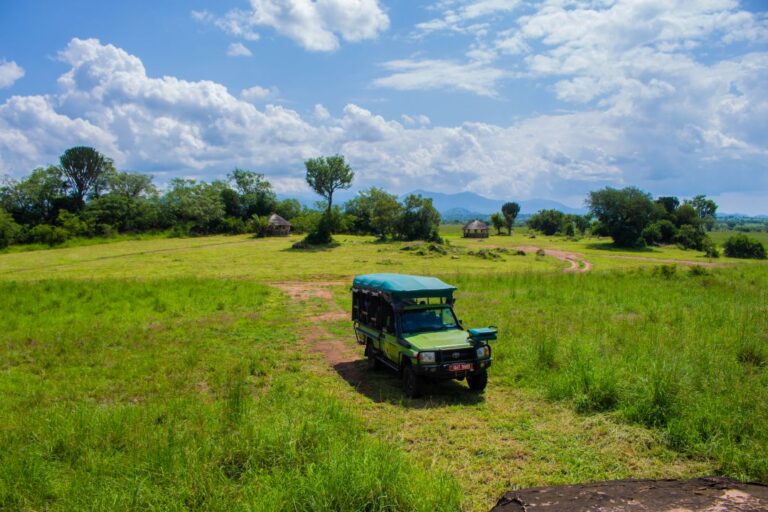
Masai Mara National Reserve Kenya’s most celebrated safari destination, situated in the southwestern Rift Valley at elevations of approximately 1,500 to 1,700 meters above sea level experiences daytime temperatures during the peak July to October safari season that typically range from 22 to 28 degrees Celsius warm, sunny, and entirely comfortable for extended outdoor activity. Morning game drives in the Mara begin in genuine coolness temperatures at the pre-dawn departure hour can drop to 14 to 16 degrees Celsius making a warm fleece or light down jacket an essential item for the first hour of the drive before the sun climbs and the temperature rises to its daytime range.
Evening temperatures in the Mara drop back toward the mid-teens as the sun sets, and the open savanna landscape amplifies wind chill on moving vehicles reinforcing the importance of layered clothing that can be shed progressively through the morning and replaced as the afternoon drive concludes.
Amboseli National Park situated at the foot of Kilimanjaro at approximately 1,200 meters elevation runs slightly warmer than the Mara, with daytime temperatures during the dry season ranging from 25 to 32 degrees Celsius and midday heat that encourages the rest period between morning and afternoon game drives that experienced operators build into their daily schedules as a matter of standard practice.
Samburu National Reserve in northern Kenya at lower elevations of approximately 900 meters is the warmest of Kenya’s principal safari destinations, with dry season daytime temperatures regularly reaching 30 to 35 degrees Celsius in the afternoon hours. Morning game drives in Samburu are conducted in comfortable warmth rather than coolness, and the midday heat is genuinely intense making early morning departures and late afternoon return times the most practically comfortable game drive schedule for the majority of visitors.
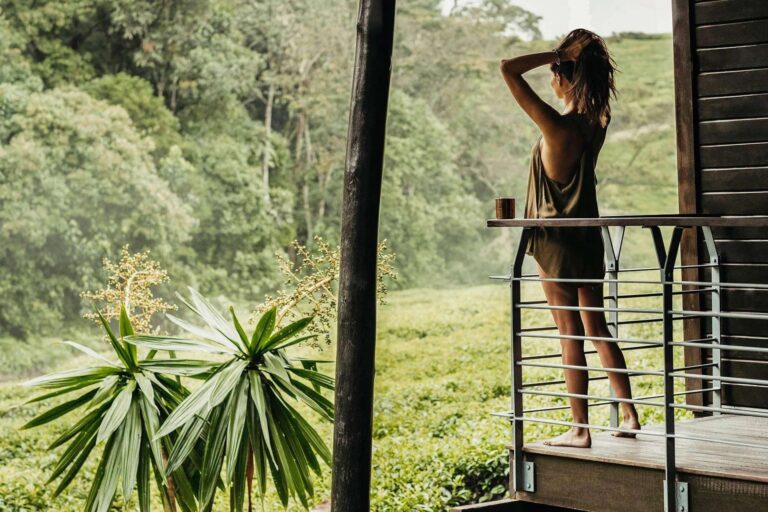
The Kenyan Highlands including the Aberdare Range, Mount Kenya, and the Laikipia Plateau are the coolest safari environments in the country, with daytime temperatures ranging from 18 to 24 degrees Celsius in the dry season and evening temperatures that can drop below 10 degrees Celsius at higher elevations. Travelers visiting these highland destinations should pack warmer clothing than a standard savanna safari requires particularly for evening activities and early morning drives conducted in the cool, cloud-touched atmosphere of the highland landscape.
Nairobi Kenya’s capital and the principal transit hub for most international safari travelers sits at approximately 1,700 meters above sea level and maintains a pleasantly mild climate throughout the year, with daytime temperatures of 20 to 26 degrees Celsius in the dry season and cool, comfortable evenings that rarely require more than a light jacket after dark.
The Wet Season: Hotter or Cooler?
Kenya’s wet seasons the long rains from April through May and the short rains from October through November bring a different temperature profile to the safari landscape that surprises many first-time visitors with its relative comfort. Rainfall in Kenya’s safari regions tends to arrive in concentrated afternoon and evening showers rather than as sustained, all-day precipitation and the effect of those showers on daytime temperature is a cooling and freshening of the atmosphere that many travelers find more pleasant than the dry season’s unbroken sunshine.
Daytime temperatures during the wet season are generally similar to or marginally lower than dry season temperatures in most safari destinations the cloud cover that accompanies the rains reducing solar radiation and keeping maximum temperatures in check. The humidity rises during wet periods, however, and the combination of warmth and humidity in lower-elevation destinations like Samburu can feel more uncomfortable than the same temperature under dry season conditions.
What to Pack for Kenya’s Safari Climate.
Packing for Kenya’s safari season requires a layered approach that accommodates the significant temperature variation between the pre-dawn game drive departure, the warm midday hours, and the cool evening return a range that can span fifteen degrees Celsius or more within a single day at destinations like the Masai Mara.
Lightweight, breathable long-sleeved shirts and trousers in neutral colors khaki, olive, and tan provide sun protection during the warmer hours while maintaining the modesty and insect protection that outdoor wildlife activities demand. A warm fleece or light down jacket handles the cool morning and evening temperatures at highland and savanna destinations. A waterproof outer layer manages the afternoon showers of the wet season and the occasional cool, misty mornings of the highland parks.
Wide-brimmed hats, high-factor sunscreen, and good-quality sunglasses are essential for all destinations during the dry season the equatorial sun at altitude delivers UV radiation of considerable intensity even on days that feel pleasantly warm rather than hot, and skin and eye protection should be treated as non-negotiable rather than optional accessories.
Conclusion; Kenya during safari season is warm, sunny, and genuinely pleasant not the oppressive, energy-sapping heat that travelers unfamiliar with the country’s altitude and climate sometimes anticipate. Pack in layers, start game drives early, rest through the midday heat where it applies, and dress for the cool mornings that every highland safari destination delivers with reliable consistency. The climate will take care of the rest and in most cases, it will do so with a warmth and brightness and clarity of light that makes every moment spent outdoors in Kenya’s safari landscape feel like a privilege rather than an endurance.