
Can you combine Tanzania wildlife safari with Uganda gorilla safari.
On an African safari there is a particular kind of traveler who is not satisfied with a single highlight. Who wants not only to witness the sweeping plains of the Serengeti but also to sit in quiet reverence before a mountain gorilla in a misty Ugandan forest. For that traveler, combining a Tanzania wildlife safari with a Uganda gorilla trekking experience is not an indulgence it is the most complete and meaningful safari itinerary East Africa has to offer.
These two safari destinations complement each other in a way that few pairings can. Tanzania delivers size vast open landscapes, enormous herds, and a cast of wildlife so diverse it defies comprehension. Uganda delivers intimacy dense rainforest, rare primates, and encounters so profoundly personal that many travelers describe them as the single most moving experience of their lives. Together, they form a journey that engages every dimension of what adventure travel in Africa can be.
Tanzania Wildlife Safari: Where the Land Runs Forever.
Tanzania is home to some of the most celebrated safari destinations on earth, and for very good reason. This is a nation that preserves up to 38% of its land area through national parks, game reserves, and conservations a figure that shows the country’s strong dedication to wildlife protection.
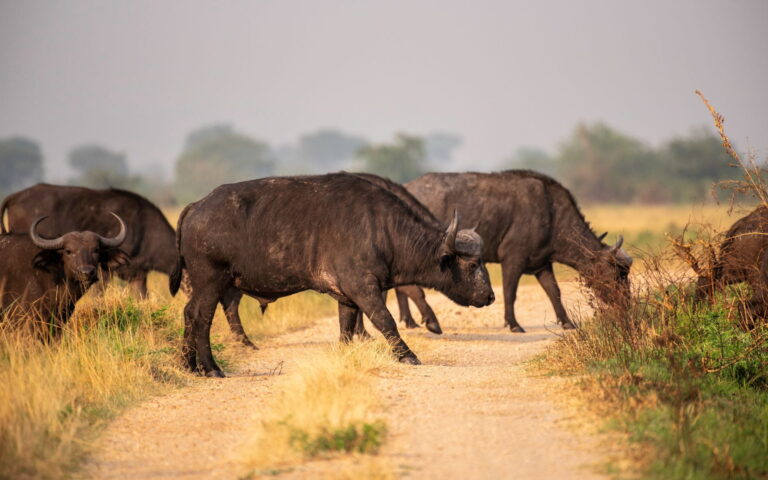
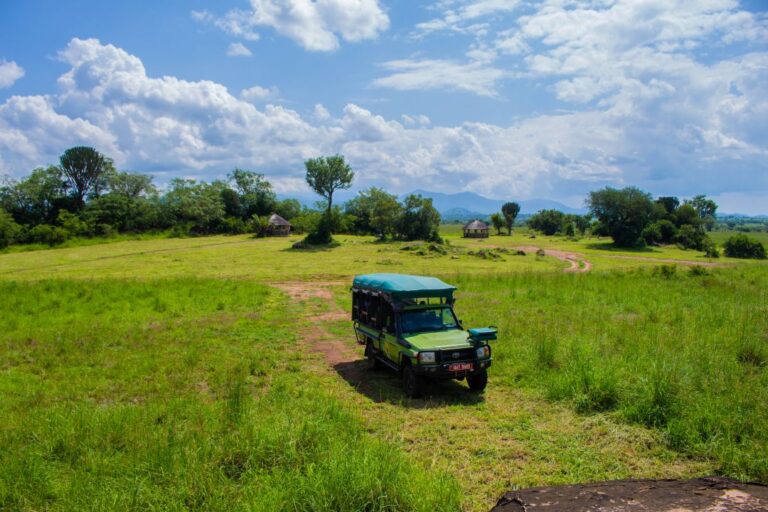
The crown jewel of this collection of national parks is the Serengeti National Park. The park covers an area of around 15,000 square kilometers, made up of vast open grassland plains, woodlands of acacia trees, and forests that grow along the rivers. In addition to being the habitat for the Great Migration of 1.5 million wildebeest accompanied by zebras and gazelles, one cannot miss out on witnessing one of the most breathtaking sights, which is the crossing of a river by these creatures.
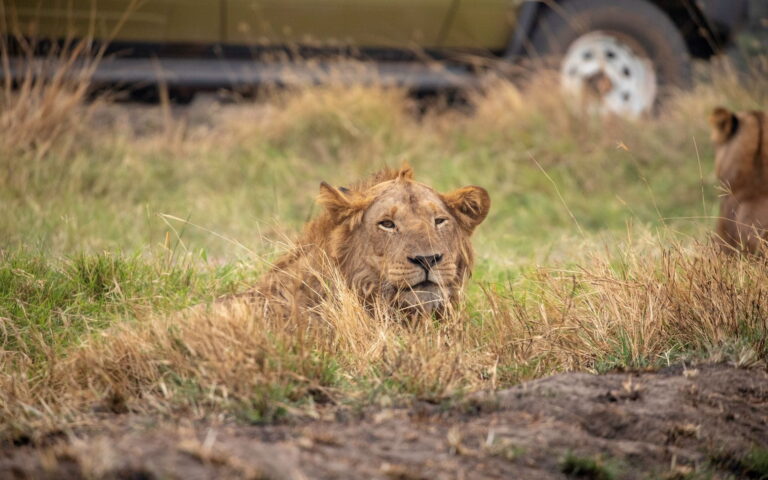
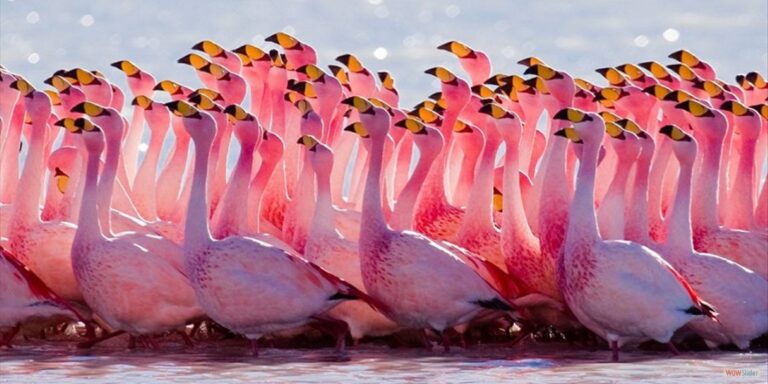
Beyond the Serengeti, the Ngorongoro Crater offers an entirely different kind of wonder. Formed from a collapsed ancient volcano, this 260-square-kilometre caldera functions as a self-contained world, sheltering the highest density of large mammals anywhere on earth. Lions, elephants, black rhinoceros, hippos, and flamingos share this extraordinary bowl of land in a concentration that makes game viewing almost effortless.
For those seeking a more remote and exclusive East Africa safari experience, the Selous Game Reserve now formally known as the Nyerere National Park and the Ruaha National Park in southern Tanzania offer vast, untouched wilderness with dramatically fewer visitors. These are destinations for the traveler who values solitude, authenticity, and the sense of genuine discovery.
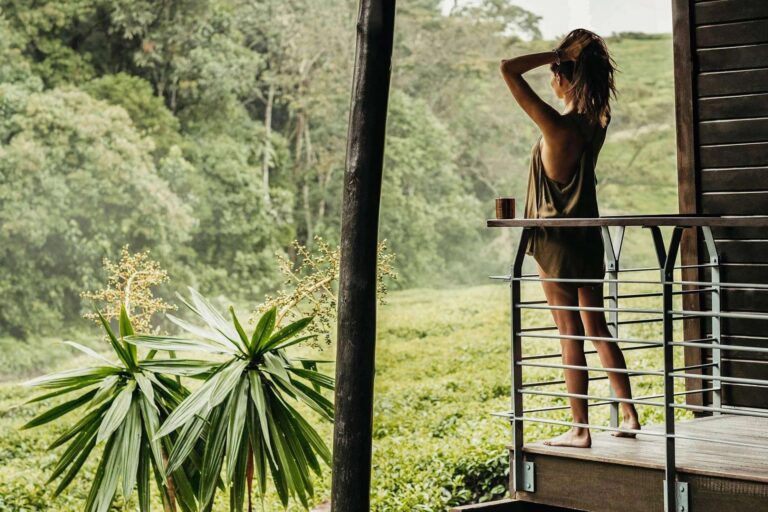
The ideal safari to Tanzania lasts from seven to ten days in order to ensure that enough time can be spent exploring all these ecosystems without being exhausted by having to move too quickly. The eco-safari lodges and tents offer accommodation which, apart from being quite luxurious, also ensures that you connect closely with your surroundings an increasing concern among environmentally conscious travelers.
Uganda Gorilla Safari: A Unique Experience.
From the vast expanses of Tanzania, a trip northward into the completely new world of Uganda awaits. Where Tanzania is open and expansive, Uganda is lush, green, and layered a country of ancient rainforests, mist-covered volcanoes, and a biodiversity so dense it earned the nickname “the Pearl of Africa” from Winston Churchill over a century ago. It remains entirely apt.
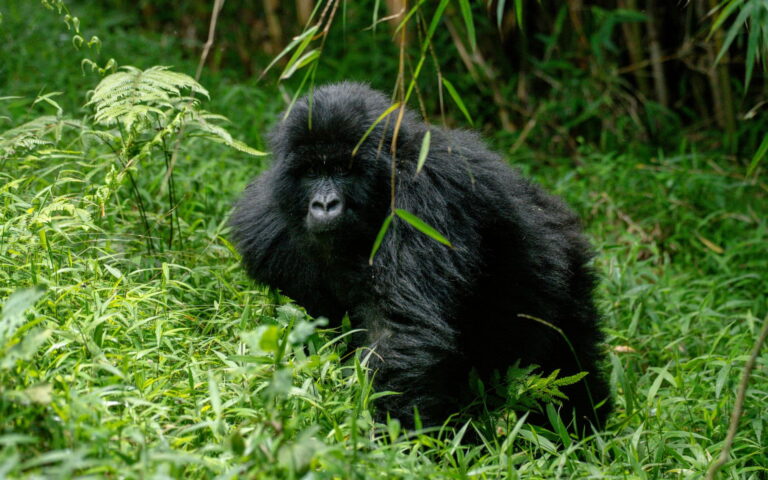
The primary attraction for international visitors is, without question, mountain gorilla trekking in Bwindi Impenetrable National Park a UNESCO World Heritage Site and one of the most biodiverse forests on the planet. Bwindi is home to approximately half of the world’s remaining mountain gorilla population, a species so critically endangered that every individual is known by name and tracked by dedicated conservation teams.
A gorilla trekking permit in Uganda grants the holder one hour in the presence of a habituated gorilla family a window of time that, for most visitors, feels simultaneously too brief and impossibly long. Sitting a few metres from a silverback gorilla as he regards you with an expression of calm, ancient intelligence is an experience that resists easy description. It is humbling in the most complete sense of the word. It is also, importantly, one of the most direct and meaningful contributions a traveler can make to wildlife conservation permit fees fund ranger salaries, anti-poaching operations, and community development programs in the villages surrounding the park.
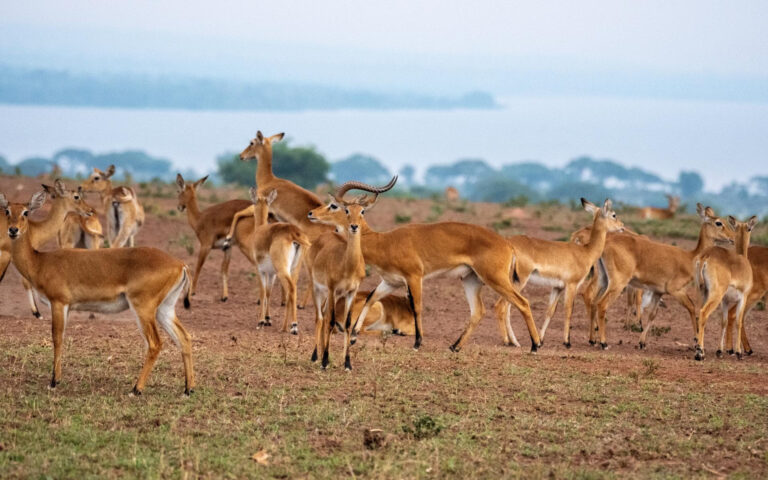
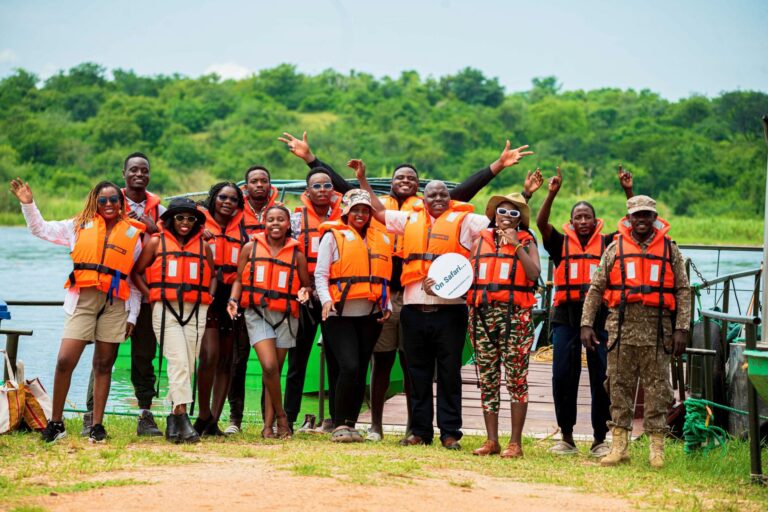
Beyond gorillas, Uganda offers the chimpanzee trekking experience in Kibale National Park, home to the highest density of primates in Africa. The Queen Elizabeth National Park provides a more traditional savannah safari with tree-climbing lions, enormous hippo pools, and vast flocks of birds across one of Africa’s most biodiverse landscapes. The Murchison Falls National Park, where the entire volume of the Nile River is forced through a seven-meter gap in the rock before plunging dramatically below, rounds out a country that rewards the curious traveler at every turn.
Planning the Combined Itinerary.
A combined Tanzania and Uganda safari is most comfortably structured over fourteen to eighteen days. A suggested flow would begin in Arusha, Tanzania the safari capital progressing through the Serengeti and Ngorongoro before flying to Entebbe, Uganda, and travelling on to Bwindi for the gorilla trek. The final days can be spent in Kibale or Queen Elizabeth before departing from Entebbe International Airport.
The best time to visit both destinations simultaneously falls within the dry seasons June to October and January to February when wildlife viewing in Tanzania is at its peak and the forest trails in Uganda are most accessible for trekking.
A Journey That Stays with You.
Some travel experiences are pleasant. Some are memorable. And some rare, irreplaceable, and profound fundamentally alter the way you understand your place in the natural world. A combined Tanzania wildlife safari and Uganda gorilla trek belongs firmly in that final category. It is not simply a holiday. It is an education, an encounter, and an argument made entirely in the language of the living world for why wild places must be protected, celebrated, and visited with the deepest possible respect with WildApes Safaris.