


Can You Combine a Tanzania Safari and a Zanzibar Beach Holiday?
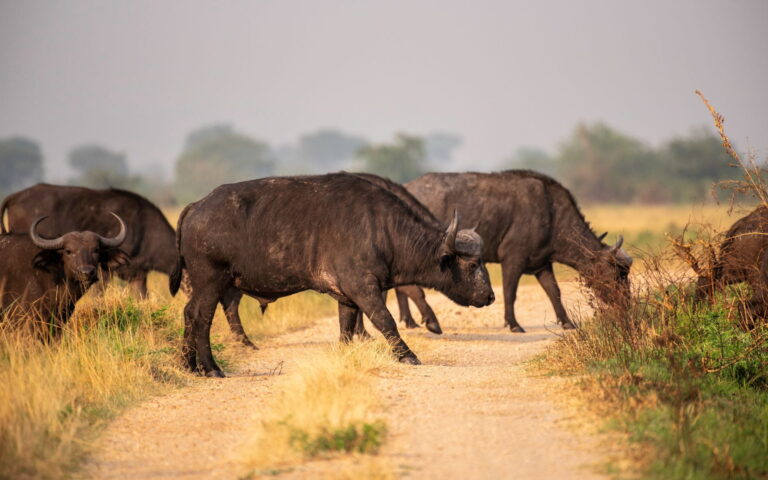
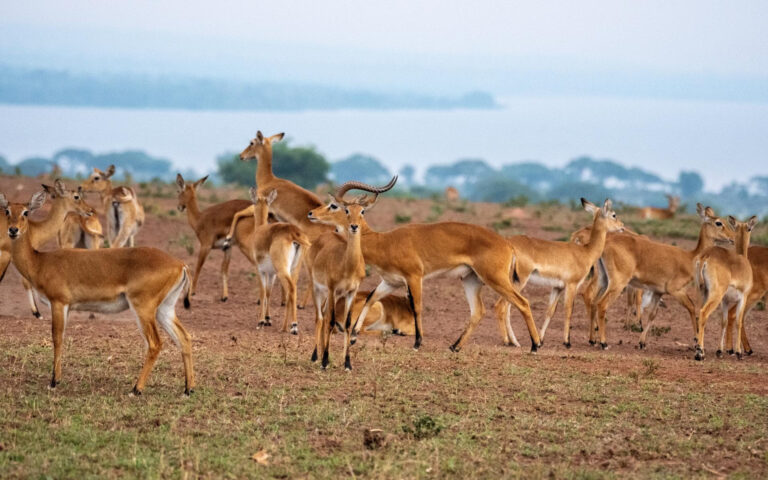
Many travelers face a pleasant a challenge when planning a trip to East Africa. On one hand, Tanzania offers some of the most extraordinary wildlife viewing on the planet. The Serengeti’s endless plains, the Ngorongoro Crater’s dense animal populations, and the Mount Kilimanjaro backdrop create a safari experience that is difficult to match anywhere else. On the other hand, the Indian Ocean archipelago of Zanzibar promises turquoise waters, powder‑white beaches, and a rich cultural history in Stone Town. The question is whether these two very different holidays can be combined into a single itinerary. The answer is a confident yes. Combining a safari in Tanzania with a beach holiday in Zanzibar not only is possible but has also become a top-selling travel package in Eastern Africa.
Why the combination works so well?
Geography makes this travel package an easy task to accomplish for both the traveler and the travel agency. The mainland hosts all the major safari destinations, including the Serengeti, Ngorongoro, Lake Manyara, Tarangire, and Ruaha National Parks. Zanzibar lies approximately twenty‑five kilometers off the coast, a short flight from the mainland. Most safari itineraries end in Arusha, the primary gateway to the northern circuit parks. From Arusha, travelers can fly directly to Zanzibar with a stopover in Dar es Salaam or catch a connecting flight via Kilimanjaro International Airport. The total travel time from the bush to the beach is rarely more than four to five hours.
The combination also works well from a pacing perspective. A typical safari involves early morning game drives, long hours in a vehicle, and dusty roads. After five to seven days of active wildlife viewing, most travelers welcome the chance to relax. Zanzibar provides precisely that. The transition from the savannah to the seashore offers a natural rhythm. You begin your trip with excitement and adventure, then end with rest and rejuvenation.
A Combined Itinerary.
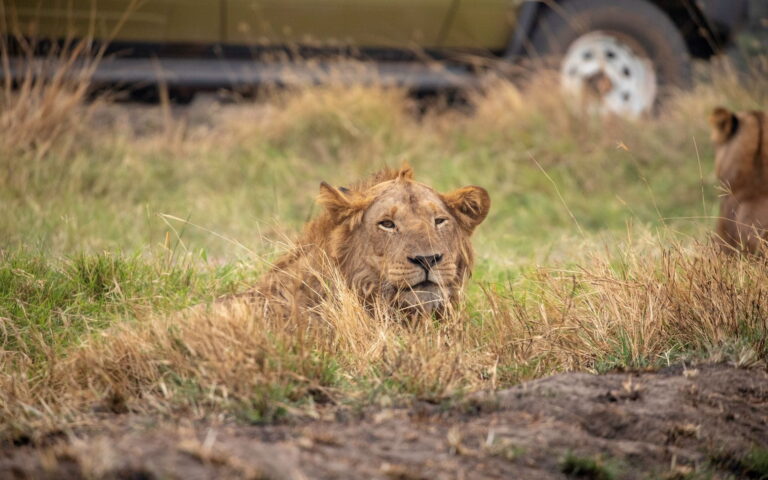
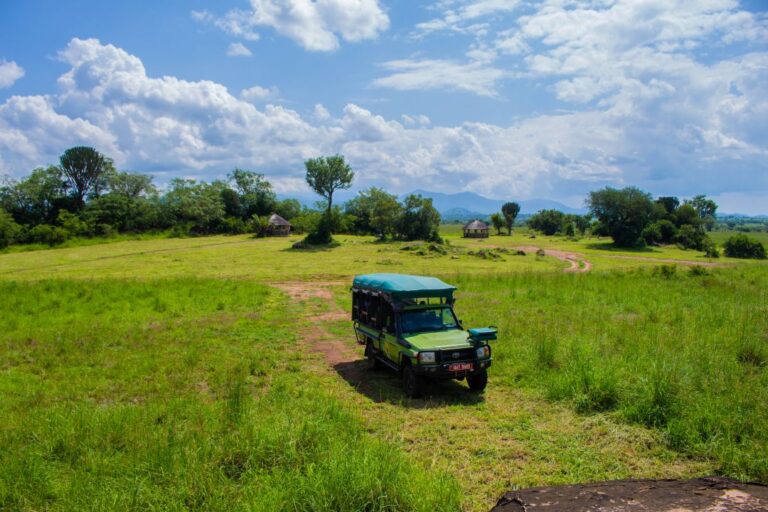
A good combined itinerary should have seven to ten days dedicated to the safari leg and three to five days for Zanzibar. Again, all will depend on you personally. A classic northern circuit safari of five to seven days covers Tarangire National Park, Lake Manyara, the Ngorongoro Crater, and the Serengeti. This route showcases the full range of Tanzania’s wildlife, from elephants and tree‑climbing lions to the Great Migration if timed correctly. For travelers with less time, a three‑ or four‑day safari focusing on the Ngorongoro Crater and Lake Manyara can still be rewarding.
After the safari, you fly from Arusha or Kilimanjaro to Zanzibar. The flight duration is approximately one hour to Dar es Salaam plus an additional twenty minutes to Zanzibar, or direct charter flights are available during peak seasons. When you get there, you will have several beach options to select from. If you prefer beaches with fine sand and turquoise waters, the north part of Zanzibar is where the famous beaches can be found. The eastern beaches, where activities like kitesurfing take place, are around Paje and Jambiani. The southern beaches are relatively quiet and provide dolphin safaris. Each region has its own character, but all provide the Indian Ocean paradise that visitors expect.
Best Time for Combining Safaris and Beaches.
It will be necessary to consider two types of climates when scheduling your joint tour. The best time for safaris in northern parts of Tanzania would be the dry season, which takes place from June to October. The Great Migration’s River crossings in the northern Serengeti peak between July and October. However, this is also the high season for both safari and Zanzibar. Prices are higher, and accommodations book months in advance.
Climate-wise, Zanzibar boasts of having two rainy seasons. The heavy rainfall occurs between the months of March and May, and this is definitely not the ideal time to visit beaches. On the other hand, the short rainy season happens between the months of November and December. However, these rains are usually sporadic and do not affect beach vacations. The best time of the year for visiting either destination will be from June through October, because this will be the peak of the dry season safari.
Others may prefer the shoulder months of November or January to February. Wildlife watching is still excellent, the weather in Zanzibar is nice, and there are fewer people around. There is one time that should be avoided altogether, which is from March to May due to the rain.
Practical Considerations for a Combined Trip.
Several practical factors should influence your planning. To begin with, look into luggage. There is little space in the safari vehicles, and small planes to Zanzibar have a set maximum weight for luggage. Most people carry their luggage in soft bags instead of rigid suitcases. There is laundry service at most safari camps and Zanzibar hotels.
Secondly, consider the dress code. Safari clothing is very casual and consists of light and practical clothes. Zanzibar is a semi-autonomous island whose majority populace practices Islam. Swimming suits can be worn to the beach while other times one needs to ensure that their shoulders and knees are covered. Pack a few modest items for cultural excursions.
Third, consider health and safety. Safari destinations require malaria prophylaxis, and the same applies to Zanzibar. The island is not entirely malaria‑free, particularly during the rainy season. Travelers should also be aware of sun exposure. The equatorial sun is intense both on safari and at the beach. High‑SPF sunscreen, a wide‑brimmed hat, and sunglasses are essential throughout the trip.
Sample Itinerary for Inspiration.
A ten‑day combined itinerary might look like this. The first two days will start with you getting off Kilimanjaro International Airport and then heading to Arusha town for a night’s sleep. On the third day, you will visit Tarangire National Park known for its elephants and baobabs. The fourth day starts with a morning game drive in Tarangire National Park and ends with reaching Lake Manyara/Karatu town. On the fifth day, you visit the Ngorongoro crater, which is recognized as a UNESCO World Heritage site and has some of the most amazing wildlife concentration. Days six and seven will involve the central area of the Serengeti with two days of game drives. Day eight sees you fly from the Serengeti to Zanzibar, either through Arusha or Kilimanjaro. Days eight through ten will be spent lazing around on the beach, with an optional trip to Stone Town during your last morning before flying back home.
In terms of length, the above itinerary allows you to experience adventure and relaxation in equal measure, while still covering all the necessary attractions. For more adventurous travelers who may want a two-week itinerary, it is possible to spend two weeks on either destination.
Conclusion: It can be said that embarking on a safari in Tanzania and then relaxing at the beaches of Zanzibar is not only feasible but highly advisable. Both activities make up an excellent combination. The first provides the opportunity to enjoy the sight of lions, elephants, and wildebeest roaming around freely in their natural habitat. The second simply involves enjoying the warmth of the sand as the Indian Ocean waves wash around one’s feet. All these make for a complete East African experience, combining exploration and relaxation in one journey. It all depends on proper timing, packing, and other logistical considerations. Contact us for more information.