


Can you see Big five in Kenya.
For almost anyone who plans a trip to Africa, seeing the “Big Five” is the ultimate goal. Luckily, Kenya is among the top destinations worldwide where one may encounter all of these animals. Initially, the term “Big Five” denoted the five deadliest animals that hunters had to face without weapons: Lion, Leopard, Elephant, Buffalo, and Rhinoceros.
Today, we ‘’hunt’’ them only with the camera. While these animals live in the wild and then move freely, Kenya’s well protected national parks and then conservancies make it very likely that you will see most if not all of them during a one-week safari.
1. The Lion: King of the Savannah.
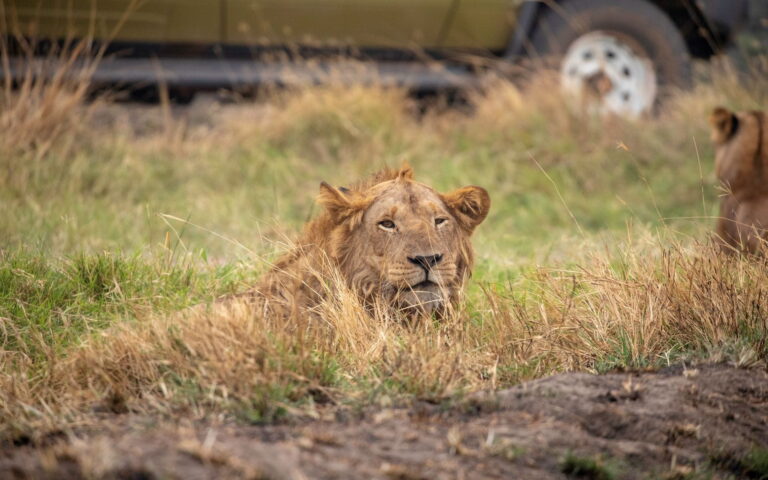
Among the Big Five, lions are the most popular and also the easiest to spot in Kenya. They live in social groups called prides. They spend a majority of their time (nearly 20 hours!) under the shade of acacia trees to keep cool in the heat of the day.
Best location: The Masai Mara holds the world record for the number of lion sightings. It has a very high concentration of lions, which means you can even see them every day.
Wildlife experience: Most probably, your sight of them will be of the lions resting in the yellow grass. An early morning game drive could give you the chance to witness a pride either hunting or guarding their freshly caught prey.
2. The African Elephant: The Gentle Giant
On a safari in Kenya, you will virtually see elephants without fail. These huge-intelligent animals live in extended families that are led by the oldest female, the matriarch. They are basically on the go all the time as they feed on grass and leaves in huge quantities, sometimes as much as several hundred pounds every day.
Best location: Amboseli National Park is well-known for its “giant tuskers.” Besides giant tuskers, here you may also find great hordes of elephants and the majestic Mount Kilimanjaro all in one shot arguably the most beautiful photograph in Africa.
Wildlife experience: Watch the elephants wallowing in the mud, signaling their presence by loud calls, and tenderly leading their young ones over the vast plains.
3. The Cape Buffalo: Strength in Numbers
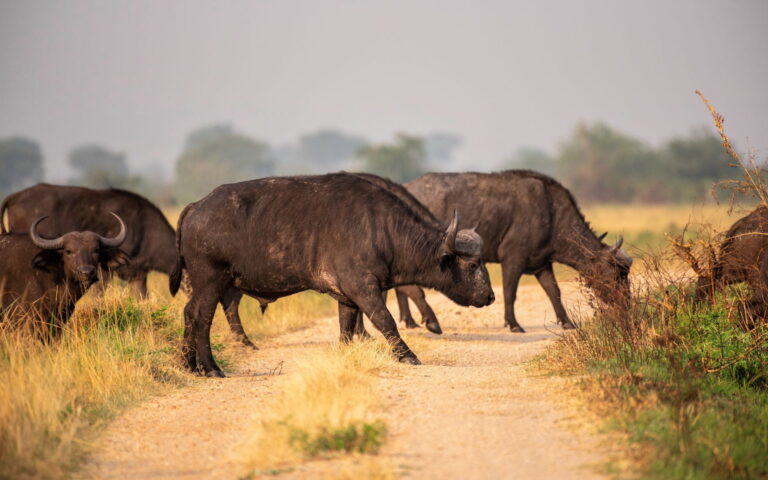
Out of the five, the buffalo is often considered the most dangerous due to its fickle nature. With curved horns, they resemble a “wig” (in fact, the center part of their horns is known as the boss). They are incredibly powerful and have on occasions single-handedly driven away lions attacking them or their young ones.
Best locations: Buffaloes are common in nearly all the parks in Kenya, like Lake Nakuru, Tsavo, and the Masai Mara.
Wildlife experience: Besides looking for massive, dark-colored herds that could be seen grazing at the mouths of rivers or watering holes, you will notice the buffaloes having their backs covered with small birds (called oxpeckers) which peck the ticks and other insects living on them.
4. The Leopard: The Elusive Shadow
Without a doubt, the leopard is the most difficult witness of the Big Five to a safari enthusiast. These animals are extremely independent, secretive, invasive, and superb camouflage experts. Contrary to lions, they do not form prides but prefer to seek refuge in the thicket or high on trees.
Where to go: The Maasai Mara and then Samburu National Reserve are the top spots. Because they are so hard to find, your safari guide will often use a radio to talk to other drivers to help locate one.
What to expect: You will need to ‘’look up’’ Leopards often haul their prey into the trees such as to keep it safe from the lions and then hyenas. Seeing a leopard is a highlight of nay African trip because it requires a bit of luck and then a very sharp eye.
5.The Rhinoceros: The prehistoric Heavyweight.
The rhino is the rarest of the Big five due to its history of being endangered. Kenya is a leader in the rhino conservation, and then there are specific places where they are highly protected and then easy to spot.
Where to go: Lake Nakuru National Park and then Ol Pejeta Conservancy, are the best ‘’rhino sanctuaries.’’ Ol Pejeta Conservancy is a home to the large population of the black rhino rhinos and then the last two northern white rhinos on the Earth.
What to expect: Rhinos are very heavy and then they look like they are wearing armor. You will usually find white rhinos in the open grassy areas, while the black rhinos prefer to hide in the thick bushes.
Tips for ‘’Bagging’’ the Big five.
To increase your chances of seeing all the five in one African trip, keep these simple tips in your mind during the safari.
Visit Many national parks: No single national park is perfect for every animal. For example, go to Amboseli national park for the elephants and then Lake Nakuru National Park for the rhinos such that you can ‘’check off’’ the list.
Go in the dry season: You are advised to think and then plan for your African safari or Kenya safari between June and then October, the grass is short and then the animals gather around the water holes. This makes them much easier to spot than in the rainy season when the bush is thick that will not make the experience to be impressive compared to the dry season.
Trust your guidance: Professional Kenyan guides spend their lives studying these animals. They know the secret hiding spots and then the behavior patterns that can lead to a great sighting that offers you the unforgettable memories.
For more information that you may need to know about Can you see Big five in Kenya or if you think about combining different East Africa destinations for the perfect combo to sight the Big five safaris that is majorly Masai Mara National Reserve in Kenya and then Serengeti national park in Tanzania, or Akagera National Park and Murchison falls national park and Ziwa Rhino Sanctuary in Uganda. Do not hesitate to make an inquiry or contact us at WildApes Safaris and out tour experts will plan for you the wonderful safari itinerary with all your choices and preferences that will offer you everlasting safari memories.