
Why is it important to tip while on gorilla trekking safari in Uganda.
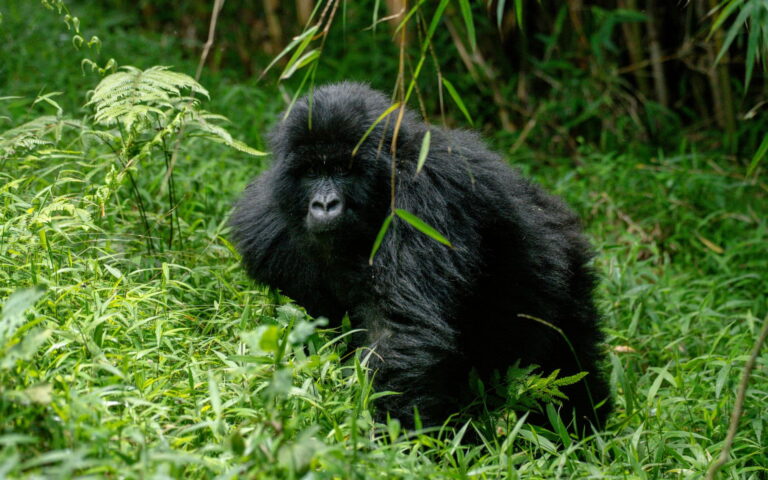
Tipping, or offering a gratuity is a deeply ingrained and then highly important custom within the tourism industry across East Africa and nowhere is this more true than a gorilla trekking safari in Uganda. While the act of giving money might seem like a simple transaction, in the contest of a trek in Bwindi Impenetrable Forest national park or Mgahinga Gorilla National Park it serves many crucial roles. Tipping is not just a polite gesture; it is a direct and a significant form of income for the local people, an acknowledgment of exceptional service, and an important contribution to the conservation that makes gorilla trekking possible. Understanding this custom is the key to a responsible and fulfilling safari experience.
The economic lifespan.
The most fundamental reason why tipping is important is its role as an economic lifeline for the local teams. In Uganda as in many enveloping nations, the baseline wages for service roles within the tourism sector especially for the field staff are often quite low. These wages may not adequately cover the costs of supporting large families, paying for school fees, or meeting expenses in rural area.
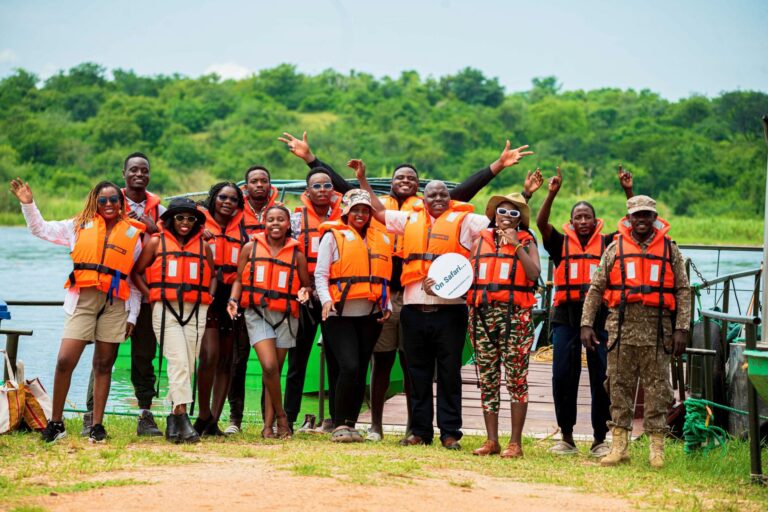
For essentials members of the trekking team, such as Porters and then Trackers, tips represent a crucial, sometimes mainly, source of disposable income. Porters who are typically members of the local community, carry heavy gar, help clients move treacherous terrain and are often hired on a day-to-day basis. Their fee (usually around 15 USD to 20 USD) is a direct income source but the tip that is given to them upon the trek’s end is often what makes the service truly worthwhile. Similarly, the Uganda Wildlife Authority (UWA) Rangers and Guides often rely on tips to significantly increase their basic salaries, appreciating their specialized skills and risk involves in their roles. However also tipping is seen as an industry standard that directly affects the quality of life for the individuals who increase your memorable experience.
Acknowledging exceptional service and dedication.
A gorilla trek is a highly and then it requires the physically demanding safari activity, requiring a highly dedication and skill from the entire filed team. Tipping provides a tangible way to acknowledge and then exceptional service and immense effort put forth by these individuals, particularly in roles involving personal safety and tracking success.
The role of the trackers.
The trackers are the unsung heroes of the trek. They go out before morning, following various signs like the broken branches, and fresh dung to locate the gorilla families. This work is difficult, skilled and dictates the success of your expensive permit. When they leaf your group directly to a gorilla family, the tip is your way of saying. ‘’thank you for making this possible.’’ Their success rate is a testament of years of learned intuition and tracking expertise.
Support of porters and guides.
The porters are as well act as lifesavers on the steep, muddy slopes of Bwindi. They physically help support who struggle, offering a steady hand and literally pulling clients up difficult sections. When you finish the trek safely and successfully, the tip reflects gratitude for their physical labour and protective assistance. Similarly, the UWA Guides manage the logistics, ensure adherence to rules (crucial for gorilla health) and then manage the challenging dynamic between the tourists and the wild animals. A good guide’s efforts deserve recognition that goes beyond the permit fee.
Tipping as a conservation tool and community benefit.
Tipping on a gorilla safari is more rewarding than the usual income; it is related to gorilla conservation and community support. The success of gorilla conservation relies heavily on the local communities viewing the gorillas as an asset rather than a liability.
By tipping during the Uganda gorilla safari, you are generally contributing to the economic benefit of tourism. When local people (many of whom used to be poachers) can earn a living through responsible tourism roles like tracking or portering, they become the most protectors of the park and the gorillas. This income provides an alternative to engaging in unsustainable practises like poaching or illegal logging. The tips you provide often recirculate directly into the villages surrounding the national park, funding the local businesses and then demonstrating the direct, tangible value of keeping the gorillas alive and healthy. Thus, the tip is an investment in the long-term survival of the mountain gorillas by empowering the people who live closest to them.
Practical tipping guidelines for Uganda.
To make the process easy and equitable, most tour operators recommended a tipping pool and then provide a suggested range, though tipping is always voluntary and should be based on perceived service quality.
Recommended tipping ranges (per group, per day).
It is generally recommended to pool tips and distributed them evenly among the key groups to avoid singling out individuals.
Porters; 15$ to 20$ per porter (Remember to hire one, even if you do not need help with your bag, it provides direct employment).
Trackers;10$ to 15$ USD per trekker to be divided among the team (usually 3 to 4 people).
Main Guide/Ranger; 15$ to 20$ per trekker.
Security/Army escorts; 5$ to 10$ USD per trekker (often share a separate, smaller pool).
Currency and timing; tipping should be best done using US Dollars (USD) in good condition (no tears or old series bills) or Ugandan Shillings (UGX) although USD is usually preferred by the teams for its reliable value. The tips are usually handed to the head guide or ranger at the end of the trek, who then distributes them fairly among the rest of the team. Giving the tip privately to the lead guide for distribution is considered as the most respectful way to handle the transaction.
In conclusion tipping on a Uganda gorilla trekking safari is a wonderful way to express gratitude, recognize the extraordinary effort and skill required, and most importantly, provide necessary economic support that underpins the long term, successful conservation of the mountain gorillas. It’s the final, meaningful step in a responsible safari journey with us.