
Why is it important to tip while on a gorilla trekking safari in Rwanda.
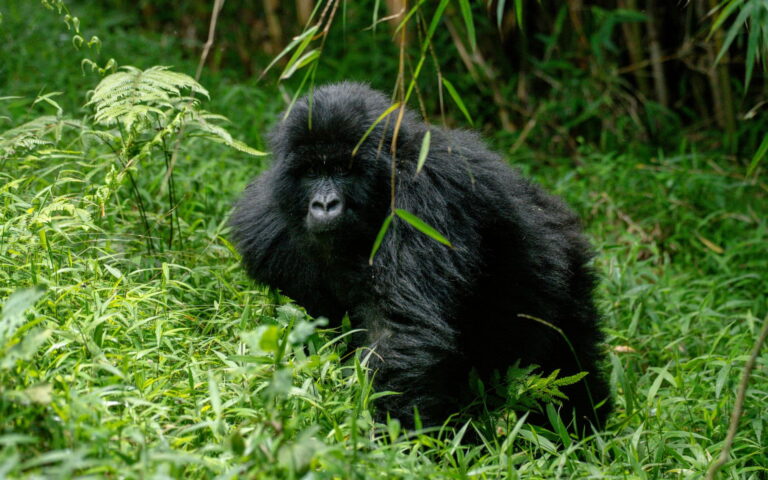
Why tip while on gorilla trekking safari in Rwanda, A gorilla trekking safari in Rwanda’s Volcanoes National Park is a wonderful once in a lifetime safari experience, delivering an unforgettable hour with the endangered mountain gorillas. While the high cost of the gorilla permit (currently 1500 USD) overs park fees, conservation efforts and then services of the mandatory park ranger, it is crucial for the travelers to understand that tipping is not merely a gesture of appreciation it is an integral economic and then cultural component of the entire safari experience. Tipping particularly for the guides, porters and then trackers, serves as an important direct income stream, recognizing the terms nature of their work and their invaluable contribution to the safety, success and then sustainability of gorilla conservation in Rwanda. Ignoring this practise diminishes the local impact of tourism and undervalues the dedication of the individuals who make the trek wonderful and possible.
Direct economic impact: Supporting local communities.
The most compelling reason to tip is to provide a direct and significant economic benefit to the local communities surrounding Volcanoes National Park. The official employees of the Rwanda Development Board (RDB), such as the park rangers, receive a government salary, but this salary is often supplemented by the tips, which recognise their advanced training and specialised role in conservation.
However, the main recipients of tips, and those who rely on them most heavily are the porters and then trackers. Porters, recruit from the local villages, perform the crucial, tiresome job of carrying travelers ’heavy daypacks, cameras and for those needing assistance, the metal sedan chairs used to transport elderly or less mobile trekkers. The small daily fee paid for their services goes directly into their pockets, but a substantial tip can dramatically increase their daily income. This income is important, as it allows the families to pay for school fees, healthcare and basic necessities in communities where alternative employment opportunities are rare. By tipping porters generously, travelers are directly contributing to poverty reduction and sustainable livelihoods, demonstrating that responsible tourism truly benefits the people who share their land with the gorillas.
Porters, trackers and guides.
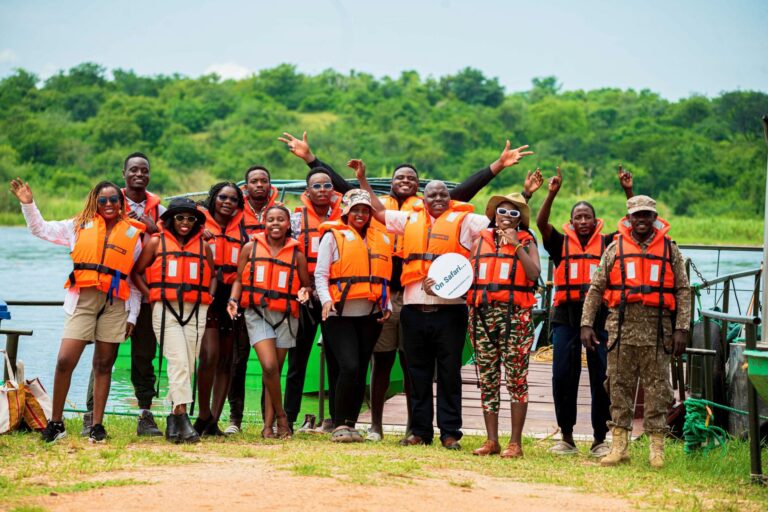
The successful completion a gorilla trek and the quality of the overall experience is entirely dependent on the dedication and then expertise of the local team. Tipping is the traveler’s immediate, personal recognition of these essential roles.
Porters: A porter’s job is though exhausting, that involves hiking steep, slippery, muddy trails while carrying heavy bags. For the elderly or less fit travelers who utilize the sedan service, the team of 12 porters who are physical fit and carry their chair are performing an exceptional service that makes the entire experience possible. Tipping them individually and then generously acknowledges the sheer physical labour and then difficulty of their task.
Trackers: the unseen heroes of the trek are the trackers. They wake before morning, head deep into the forest to locate the gorilla family based on where they are located the previous night, and then maintain radio contact with the trekking groups. Their knowledge of the gorillas ‘behaviour, territories and then movement patterns is what guarantees the high success rate of the trek. A good tip for the tracker, often given to the lead guise for distribution is a tangible for the critical, early morning efforts and then expertise.
Main Guide/Ranger: The park ranger leads the group, ensures safety, handles security and then provides all the interpretive information about the gorillas, the forest and conservation efforts. Their expertise in making the one hour encounter educational and then memorable warrants a thoughtful tip that reflects the quality of their guidance and command of the forest environment.
Conservation and Responsibility.
The practise of tipping plays an indirect but then significant role in promoting conservation ethics within the local community. When the locals see a direct, financial benefit flowing into their families from tourism, they are powerfully incentivized to support conservation efforts and view of the gorillas as a valuable resource that must be protected.
The tips acts as a motivational factor for the entire trekking team to perform their duties to the highest standard. Excellent service (good tracking, safe guiding, professional porterage) leads to better tips, thus creating a self-regulating system that benefits the traveller, the worker and the gorillas. Furthermore, the tips often fund small, informal community projects or provide emergency funds for the trekking staff, reinforcing the positive feedback loop between wildlife protection and then economic prosperity. Travelers should view the tip not as an option but as the final, personal investment in the long-term sustainability of the entire eco-tourism model that saves the mountain gorillas from extinction.
Suggested tipping guidelines and Etiquette.
The tipping amounts should be matching with the quality of service, having a clear guideline is very important. It is always recommended to carry local currency (Rwandan Francs) or US dollars in small amounts for tipping.
Porters: This is the most important group to tip generously. A suggested amount is between 15 USD and 30 USD per porter for the day, given directly upon return to the trailhead.
Trackers (Team): A collective tip is usually given to the head ranger to be distributed the invisible team. A suggested amount is 30 USD to 50 USD per group of eight for the trackers.
Main Guide/Ranger: A suggested amount is between 30 USD and 50 USD per group of eight for the ranger, depending on the quality of the information and guidance provided.
Sedan chair team: For those using the sedan chair the 12-person team should be tipped exceptionally well due to the immense physical effort. A tip of 5 USD to 10 USD per porter (totalling 60 USD to 120 USD for the team) is highly appropriate, on top of the cost of their chair rental.
In conclusion, tipping on a Rwanda gorilla trekking safari is a powerful act of responsible travel. It’s a hospitality gratuity; to the local economy and then a tangible expression of gratitude for the dedicated individuals who change a difficult trek into an intimate and unforgettable wildlife encounter with WildApes Safaris.