

When is the best time to go on safari in Kenya.
Many people dream of going on a safari in Kenya but one of the most crucial things that you will do is decide when to go. Kenya is situated on the equator which is why it does not have winter and summer seasons as the case with Europe or North America. The seasons are therefore divided into the “Dry” and the “Wet” seasons. Your choice of the best time for your trip will be guided by what you want to see whether it is the dramatic river crossings of the Great Migration, the lush green landscapes for photography, or a quiet experience with fewer crowds. Here is a comprehensive guide to assist you in planning your 2026-2027 safari adventure with WildApes Safaris.
1. The Peak Dry Season (June to October)
This period is generally recognized as the best time for a safari in Kenya. Should you be willing to live out the classic “Lion King” scene of golden grass and plenty of wild animals, then this is the period you should pick.
One of the major benefits for wildlife lovers during these months is the absence of rain. Animals being the main beneficiaries of this condition come to the permanent water holes and rivers for water. Moreover, the grass is short, which means predators like lions and leopards cannot hide as easily.
The Great Migration: That is the time when the Great Wildebeest Migration arrives at the Masai Mara. During the months of July to September, the plains are teeming with millions of animals and the Mara River crossings, which are the highlight, happen then. As a result of this being the peak season for tourism, we suggest that you secure your lodge booking 8 to 12 months beforehand.
2. The “Short Rains” (November to December).
October has been very hot and dry for such a long time that when the “short rains” arrive in November, people feel relief. Actually, these are usually just the afternoon thunder showers that go away quite fast thus leaving a fresh atmosphere and no dust.
The Green Rebirth: The savanna can really be a brown one day and an emerald green the very next day. Colors are so bright and there is no haze in the air so it is a perfect time for taking photos. Animals give birth and mothers are busy feeding their young ones so you are likely to spot species with newborn babies. It is really lovely to watch the first steps of the new-born zebras and antelopes. It is only a little more difficult to spot animals because of tall grass but overall, the parks are great and also very quiet during this period.
3. The Short Dry Season (January to February)
A lot of professional safari guides never talk about this season but it is really great. After the short rains come the dry and hot weather of about two months before the onset of the long rains in March.
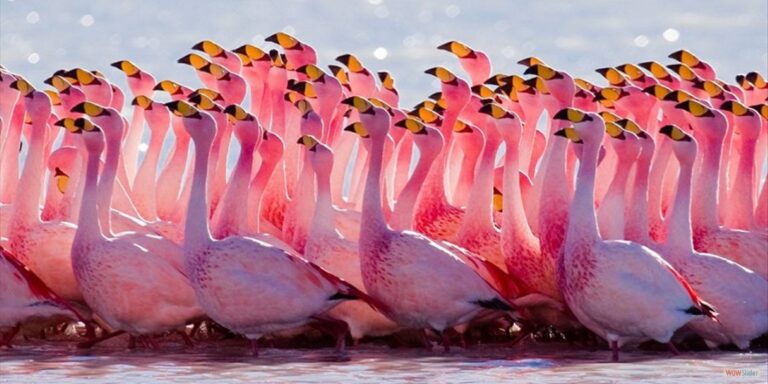
Perfect for Birdwatching and Predators: One of the main attractions during this time is the presence of the migratory birds from Europe and North Africa in Kenya Rift Valley Lakes. The dry weather also means animals gather at water sources again. As it is the “shoulder season,” there is often a chance of getting luxury lodges at better prices compared to the July-August peak while you still have great weather and high predator activity.
4. The “Long Rains” (March to May)
This period is the main rainy season in Kenya. The months usually receive a heavy downpour, often in the afternoons and evenings.
Budget Traveler’s Preference: Some people stay clear of this time, but it has its own set of benefits. This is the “Low Season” when accommodation prices go down to their lowest level of the year. If a stay in a high-end luxurious camp that is normally way out of your budget is on your mind, you may get it at half price during May. The landscapes are incredibly lush and tropical. However, be prepared for some muddy roads and the possibility of some game drives being cut short by rain. For those who value solitude and ‘’green’’ scenery, this can be a very romantic time to visit.
5.Summary of best times by activity.
To make your planning easier, here is a quick breakdown based on your interests.
To see the Great Migration: Late July to September.
For the best weather (clear skies): June to February.
For the lowest prices: April and May.
For birdwatching: October to April.
To avoid crowds: January, February, and June.
For trekking Mount Kenya: January, February, August, and September (the driest months).
6. Coastal Timing: Safari and Beach
It is a common practice among visitors to Kenya to combine their safari with a beach holiday in Diani or Malindi. The timing for the Kenya coast, in general, is in line with the safari calendar.
Sun and Sea: The beach is at its best from December to March and June to September. At the time of the extended rains (April-May), the coast can be very humid and rainy; thus, it is not an ideal time for sunbathing. However, if diving is your thing, the best visibility in the Indian Ocean is normally from October to March when the sea is at its calmest.
7. Professional Advice for 2026-2027
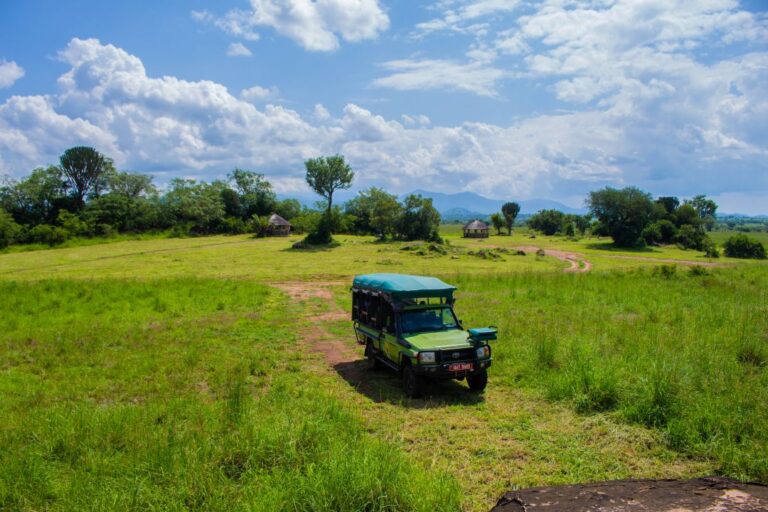
In the light of changes in the global weather patterns, it is always a good idea to be on the safe side and expect surprises. The “dry” season is no exception to a tropical downpour. The WildApes Safaris team offers customized 4×4 Land Cruisers that are capable of going through any weather condition for the safari to continue even if there is a bit of mud and rain.
In conclusion, there is no such thing as a “bad” time to visit Kenya; the only factor is the “right” time that fits your needs. Whether the high-energy excitement of the migration in August is what you are after or the calm, green, and beautiful Mara in November, Kenya is all set to receive you with wildlife as spectacular as the landscapes.