
What to pack on your Rwanda Gorilla Trekking Safari.
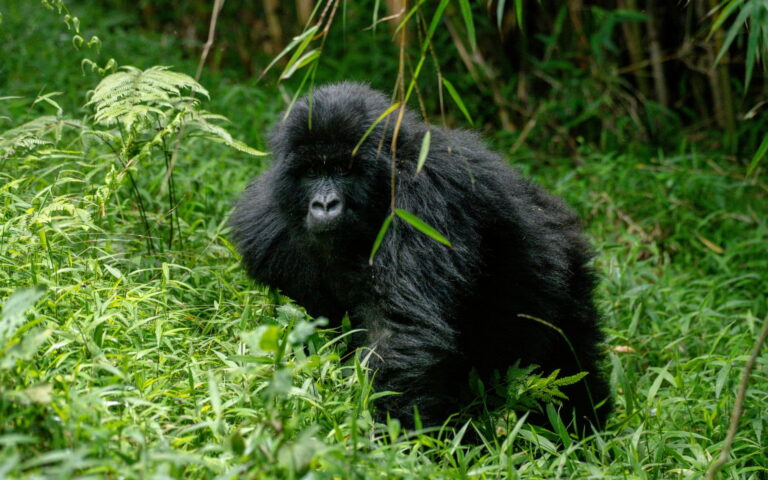
Preparing for a gorilla trekking safari in Rwanda is not like packing for a beach holiday; it requires strategic, specialized clothing and gear designed to handle the steep, muddy and often chilly environment of the high-altitude rainforests of Volcanoes National Park. The key packing principles are layering, protection against thorns and stinging nettles and ensuring water resistance. Since your physical encounters with the magnificent Mountain Gorillas is limited to just one hour, being comfortable, dry and mobile during the tiresome hike to find them is absolutely paramount. This guide breaks down the essential items you need to ensure a successful, safe and enjoyable trek along side the necessary equipment for your overall comfort in Rwanda.
1.Essential Trekking Gear: Protection and mobility (the trek day).
This category includes the items you will wear specifically on the day of the gorilla trek to ensure you are protected against the elements and the tough terrain.
Footwear and Leg protection.
Waterproof Hiking Boots: This is the single important item. Boots must be waterproof, ankle-high (to provide support against slips and protect from fire ants or mud) and well-worn in to prevent blisters. Do not rely on walking shoes; there is mud.
Gaiters: Absolutely essential. Gaters are fabric tubes that cover the gap between the top of your boots and your trouser legs. They prevent mud, moisture and fire arms from crawling inside your boots and offer crucial protection against stinging nettles, which are abundant in the undergrowth.
Thich socks (Wool or Synthetic): Pack several pairs. Choose moisture wicking material to keep feet dry, even if water gets in. They also provide extra cushioning against your boots.
Clothing Layers (Upper body).
Long-sleeved shirt: Critical for protecting your arms from stinging nettles, branches, and insects. Choose s lightweight, fast-drying, and breathable synthetic (not cotton).
Mid-Layer fleece/jacket: Necessary for the early morning chill at the park headquarters (where the trek briefing takes place) and for warmth when you pause during the trek.
Waterproof Rain Jacket/Poncho: Despite the ‘’dry season,’’ Volcanoes National Park is a rainforest, a lightweight, waterproof jacket (Gore-Tex or similar) is essential for the sudden downpours.
Trousers:
Durable Hiking Trousers: Choose tough, waterproof, and preferably canvas or G-1000 material that will resist thorns and then stinging nettles. Tuck your trousers into your socks or gaiters this is a non-negotiable safety measure against insects and plant life. A void shorts entirely.
2.Personal Gear and photography essentials (The day pack).
This small, crucial bag will hold everything you need during the 3 to 8 hours you are on the trail. Remember your porter will carry this bag, but you should still pack light.
Day pack (Waterproof): A small, comfortable backpack (20 to 30 litters) that is either waterproof or covered by a rain cover.
Water: At least 2 to 3 litters per person. Dehydration is common due to the heat and altitude.
High-energy snacks: Pack energy bars, dried fruits, or nuts. You will likely eat your packed lunch (provided by the lodge) immediately after the one-hour gorilla encounter.
Gloves (gardening or leather): Essential for helping you grip muddy vines, bamboo and then roots as you pull yourself up steep slopes. They prevent your hands from being shredded by thorns or stung by nettles.
Hat/cap: to keep the sun off your face during non-forested moments and then protect your hair dripping through the canopy.
Sunscreen and then insect repellent: Protection from both the equatorial sun (strong even on cloudy days) and mosquitoes/Tsetse flies is important.
Hand sanitizer: Necessary before and after eating your packed lunch, especially in the forest.
Photographer Gear.
Camera and extra Batteries: the cold and humidity can drain batteries quickly. You will want plenty of memory card space.
Lens Protection: the humidity can fog lenses instantly. Bring microfibre cloths and a dedicated rain sleeve or plastic bag to protect your camera during the hike and while waiting for your one-hour slot.
Recommended Lens: Since you are required to stay at least 7 meters from the gorillas, a mid-range zoom lens (70 to 200 mm or similar) is often preferred over a long telephoto, as gorillas move quickly and can approach very close.
3.Logisitcal and General safari items (overall trip).
These items are necessary for the smoot running of the overall safari, outside of the actual trek day.
Documentation: Passport, yellow fever certificate (mandatory for entry into Rwanda), airline tickets, cash (for tips) and photocopies of all important documents.
Cash (USD or Rwandan Francs): You will need small denominations of US Dollars (less than 20) or local currency (RWF) for tipping porters and then purchasing small items in the local villages. Note that older USD bills (pre-2006) are often refused.
Casual safari clothes: Lightweight, breathable trouser and shirts for game drives (if adding a safari extension) or relaxing at the lodge. Neutral colours (khaki, olive green) are always preferred.
Small first aid kit: Painkillers, anti-diarrhoea medication, antihistamines, and prescription medicines.
Adapter: Rwanda uses the Type C/J electrical sockets (same as many European countries).
4. Financial and Ethical considerations (Do not forget).
These are not physical items and they are important preparations that affect the success and ethical impact of your trp.
Porter fee (mandatory tip): Budget approximately $15 to $20 USD per person for the porter. This is a direct source of income to the local community members and is a crucial for your support on the trek.
Tips/Gratuities: The tips go to your guide, the park trackers, and the lodge. This should be handles in clean crips US dollars or the equivalent in RWF.
Walking stick: You will be provided with a strong, wooden walking stick by the park upon arrival. Do not pack one; rely on the locally provided, sturdy sticks.
Waterproof Bag: Use zip-lock bags or dry sacks to protect sensitive electronics like your phone batteries from the high humidity and constant moisture inside your pack day.
In conclusion, by packing meticulous attention to these packing details, particularly the protective layers against the rainforest conditions, you ensure that the physical demands of gorilla trekking safari are manageable, allowing you to focus entirely on the truly magical, unforgettable hour spent with the magnificent Mountain Gorillas.