
What Is the Difference Between the Serengeti and the Masai Mara? A Complete Comparison Guide.
If you have spent any time researching an East Africa safari you have almost certainly encountered both names repeatedly and possibly started wondering whether they are the same place, different names for the same ecosystem, or two entirely separate destinations that happen to share a famous wildlife spectacle. The answer is a combination of all three, and understanding the relationship between the Serengeti national park and the Masai Mara national reserve is genuinely one of the most useful things you can know before planning an East African safari. Here is the complete, honest explanation of what separates them, what connects them, and what each one delivers to the travelers who visit.
The Same Ecosystem, Two Different Countries.
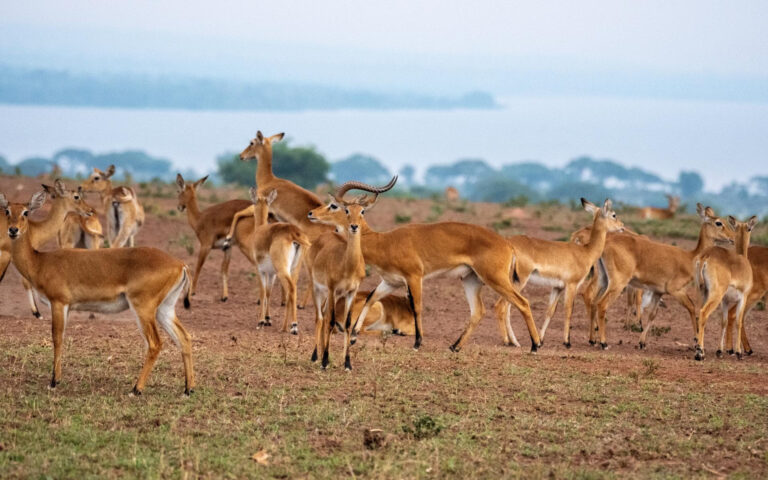
The single most important thing to understand about Serengeti National Park and the Masai Mara National Reserve is that they are ecologically the same continuous landscape divided by a national border. Serengeti National Park lies in northern Tanzania, covering approximately 14,750 square kilometers of open savannah, riverine forest, and volcanic kopje country that stretches north to the Kenyan border. Masai Mara National Reserve lies directly above it across that border in southwestern Kenya, covering approximately 1,500 square kilometers of the same ecosystem. The wildebeest, lions, elephants, cheetahs, and every other animal that inhabits this landscape move freely between the two countries without any awareness of the geopolitical line separating them, which is why the Great Migration the annual movement of 1.5 million wildebeest through the ecosystem passes through both destinations in a single continuous annual cycle.
What this means practically for safari travelers is that choosing between the Serengeti and the Masai Mara is not a choice between two entirely different wildlife experiences. It is a choice between two different sections of the same extraordinary ecosystem, each with its own distinct character, its own seasonal advantages, and its own specific qualities that make it the better choice at different times of year and for different kinds of traveler.
The Size Difference And Why It Matters.
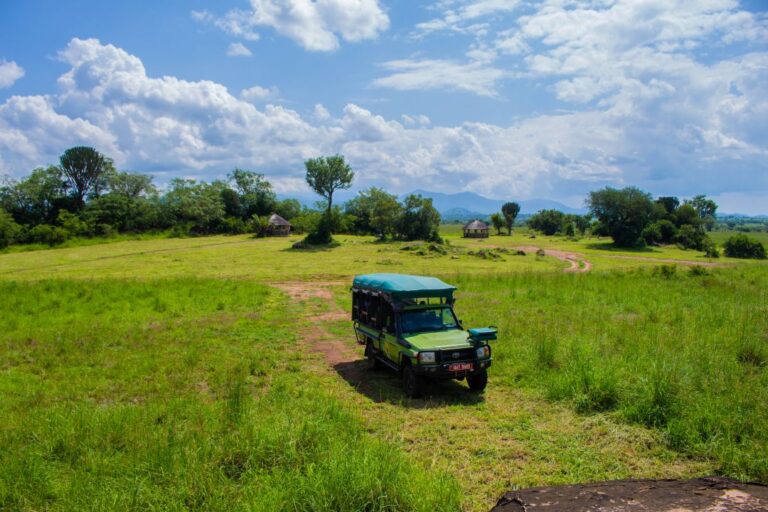
The most immediately obvious difference between the two destinations is size. The Serengeti national park is roughly ten times the size of the Masai Mara main reserve, and that difference in size produces a fundamentally different quality of safari experience. In the Serengeti national park, you can drive for hours through open wilderness without encountering another vehicle or seeing any sign of human presence. The sense of genuine remoteness and vast, uninterrupted wildness that this creates is one of the defining qualities of the Serengeti experience and one that the more compact Masai Mara struggles to replicate in its main reserve areas during peak season.
The Masai Mara National Reserve compensates for its smaller size with a density of wildlife that makes game viewing here feel remarkably concentrated and consistently rewarding. The reserve is compact enough that guides know its sighting hotspots intimately, and the frequency of encounters particularly with the big cats for which the Mara is justly famous is exceptional. The private conservancies surrounding the main reserve, covering an additional 1,500 square kilometers of community-owned land, effectively extend the Mara ecosystem significantly while limiting vehicle numbers in ways that restore the feeling of wilderness that the main reserve sometimes lacks during peak months.
The Migration When to See It in Each Destination.
Since the Great Migration passes through both ecosystems, the timing of your visit determines which destination gives you the best migration experience. The Masai Mara National Reserve hosts the herds between approximately July and October, when the famous Mara River crossings are happening at their most dramatic and most frequent. Watching hundreds of thousands of wildebeest launch themselves into a crocodile-filled river on the Kenya side of the border is one of the most extraordinary wildlife spectacles on earth and it is the experience that draws the majority of peak season visitors to the Mara.
Serengeti national park hosts the herds for the remainder of the year. The calving season in the southern Serengeti and Ndutu area between January and March produces hundreds of thousands of wildebeest calves in a matter of weeks, drawing every major predator in the ecosystem to the area in extraordinary concentrations. The Grumeti River crossings in June and early July offer the same dramatic spectacle as the Mara crossings but with considerably fewer vehicles and a more intimate atmosphere. Serengeti National Park therefore offers compelling migration experiences across a broader span of the annual calendar than the Masai Mara National Reserve.
Wildlife Beyond the Migration.
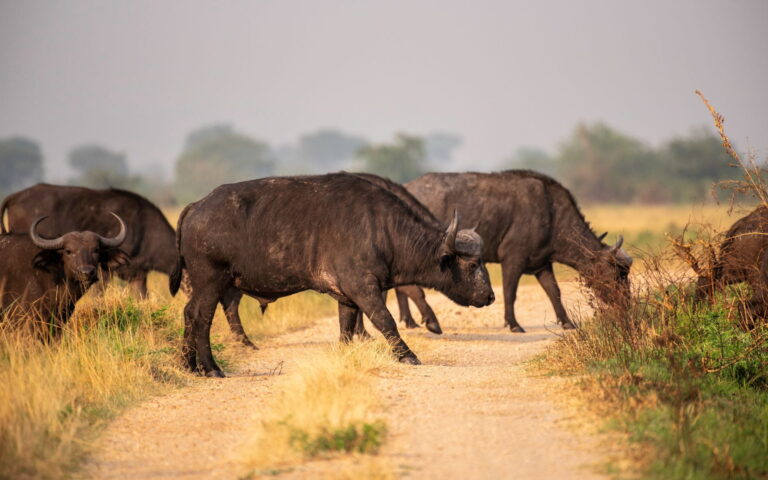
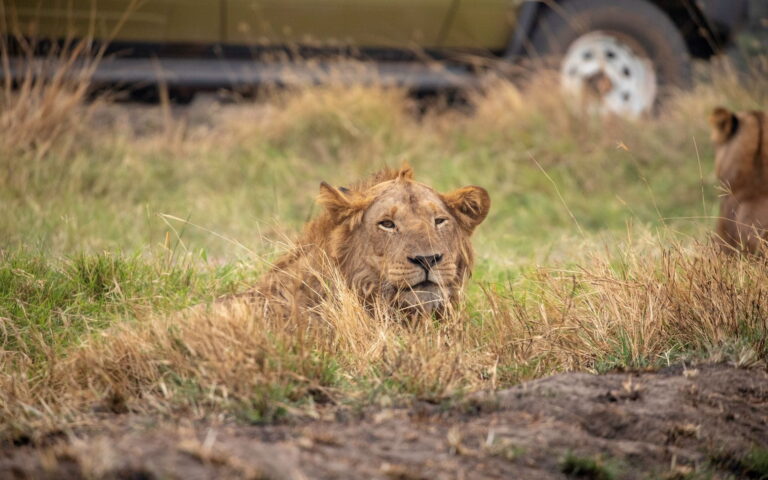
Both destinations support the full complement of East African wildlife including the Big Five, and reliable sightings of lions, leopards, cheetahs, elephants, and buffalo are available in both throughout the year. Masai Mara national park has a particular reputation for big cat density and visibility its resident lion prides and cheetah families are well known to guides and reliably located on most game drives. Serengeti national park matches the Mara for lion density with an estimated 3,000 individuals across the ecosystem and adds the specific wildlife experiences of its different sections the elephant concentrations of the western corridor, the kopje leopards of the Seronera area, and the wild dogs and black rhinos of the more remote northern reaches.
The Practical Differences.
Kenya’s Masai Mara National Reserve is generally more accessible from Nairobi, with shorter flight times and better road connections. Tanzania’s Serengeti National Park requires slightly more logistical planning and generally a higher budget to access its best areas. Accommodation options across both destinations cover every budget level, though the private conservancy system around Masai Mara National reserve offers a particularly outstanding mid-range to luxury experience with off-road driving and night game drives that national park regulations in Tanzania do not permit.
Serengeti National Park and the Masai Mara National Reserve are not rivals. They are partners in one of the greatest wildlife stories on earth. Do not hesitate contact us at WildApes Safaris for more information about What Is the Difference Between the Serengeti and the Masai Mara and you will not regret.