

What is the best time for game drives in Kenya.
Timing is everything when it comes to an African safari. While Kenya is a year-round safari destination, the success of your game drives, the main way to see wildlife depends heavily on the hour of the day and then the season of the year. To see the ‘’Big five’’ in action, you need to align your schedule with the natural rhythms of the animals and the changing climate.
1.The Dily Rhythm: Why morning and late afternoon matter.
In the wild, most animals are not active during the heat of the midday sun. to increase your sightings, game drives are typically split into two main sessions, the early morning and late afternoon.
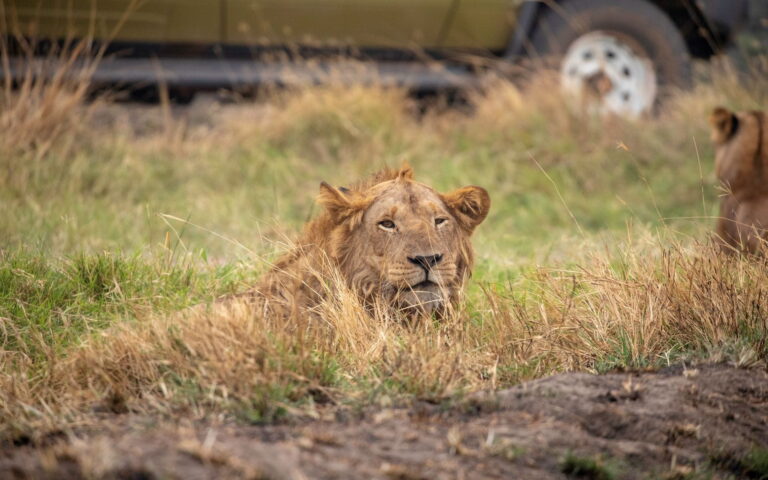
The early morning patrol (6:00am to 9:00pm): this is widely considered as the best time for a game drive. As the sun rises, the air is crisp, and then the predators’ lions, leopards and hyenas are often still active after their night of hunting. You might catch a pride of lions finishing a meal or a leopard retreating into a tree with its prey. The ‘’golden hour’’ light is also a photographer’s dream.
The sunset safari (4:00 pm to 6:30pm): As the temperature begins to drop, the savannah wakes up again. Herbivores like elephants and the giraffes move toward holes to drink before nightfall and predators begin to stir from their afternoon naps to prepare for the hunt. The dramatic African sunset provides a stunning backdrop for the final sightings of the day.
The Midday Lull: Between 11:00am and 3:00pm, most animals seek shade and then remain stationary to conserve energy. During this time, travelers usually head back to their lodge for a long lunch, a swim or a ‘’siesta.’’
2.The Dry Season (June to October): Park game Viewing.
If your main goal is to see as many animals as possible in a short time, the long dry season is the undisputed champion.
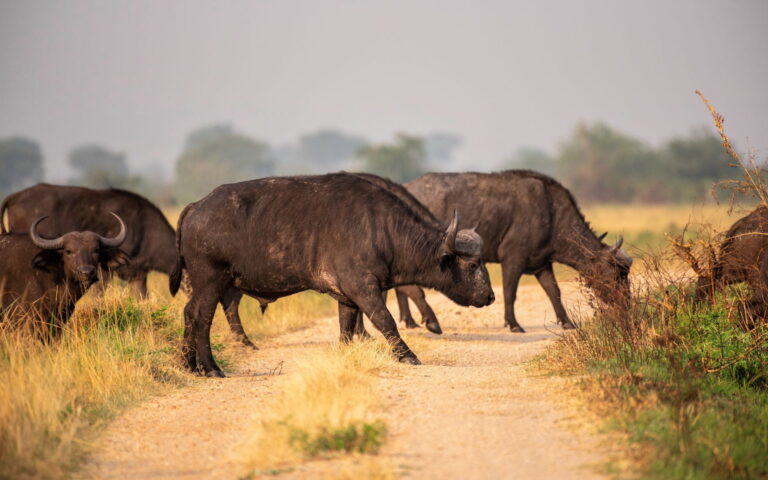
During these months, the grass is short and then gold, making it much easier to spot the cheetah camouflaged in the plains or a rhino hidden in the scrub. Because water is scarce, animals are forced to congregate around the permanent water sources like rivers and man-made waterholes. This creates ‘’theatre like’’ viewing opportunities where many species from zebras to buffaloes gather in one spot. This period also coincides with the Great Wildebeest Migration (typically July to September) where millions of animals arrive in the Masai Mara brining with them intense predator prey interactions.
3.The calving season (January to February): New life.
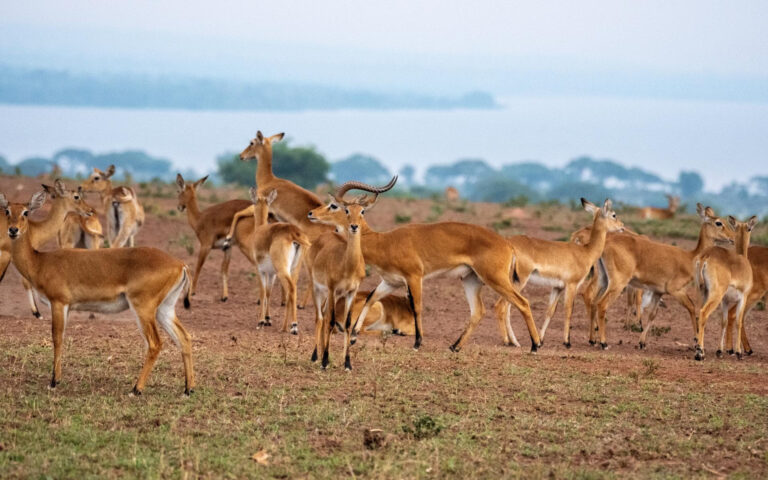
The short dry season in the early months of the year offers a different but equally beautiful experience. This is the ‘’calving’’ season for many resident species. The plains are often filled with wobbly-legged foals, calves and cubs.
While the weather is hot and dry, the scenery is often fresher than in the late dry season because of the ‘’ short rains’’ that offer in November and December. For the travelers, this is a fantastic time because the parks are generally less crowded than during the August peak and the abundance of vulnerable young animals means that predator activity remains very high.
4.The ‘’Green Season’’ (March to May): For the Explorers.
The long rainy season, often called the green season, is frequently overlooked, but it has unique advantages for the right kind of the traveler. During these months, the dust of the savannah is washed away, leaving the air crystal clear and the landscape a vibrant, emerald green.
Photography: The contrast of dark storm clouds against lush green plains creates incredibly dramatic photos.
Birdwatching: This is the best time for the birders, as migratory species are present and the resident birds are in their bright breeding plumage.
Value: Because this is the ‘’low season,’’ many luxury lodges offer significant discounts and you will often have the tracks and sightings to all yourself.
However, be aware that some roads can become muddy and challenging, so a high quality 4×4 vehicle and an experienced driver are essential during this time.
5.Night Game Drivers: A different World.
While most national parks close their gates at 6:30 pm, many private conservancies (like those bordering the Masai Mara or in Laikipia allow night game drives.
Equipped with powerful spotlights, these drives reveal a completely different ecosystem. You have the chance to see nocturnal creatures that are never seen during the day, such as the elusive aardvark, honey badger, or bushbaby. Watching a pride of lions communicate in the dark or seeing a leopard’s eye reflect in the light is a thrilling experience that adds a whole new dimension to a Kenyan safari.
The best time for a game drive in Kenya depends on what you want to experience. For a raw drama and massive herds, the dry months of July to September are unbeatable. For those who love newborns and then quiet trails, January and February are perfect. Regardless of the month you choose, the golden rule remains: wake up early. The most magical moments in the African bush happen when the world is just beginning to stir, and the first light of the sun hits the plains.
What to expect during best time for game drives in Kenya.
During the best time for game drives in Kenya the long dry season from June to October you can expect a high intensity wildlife experience characterised by dramatic sightings and predictable animal patterns. Because water become scarce, the landscape changes into golden, thinned out savannah, forcing animals to congregate in large numbers around permanent rivers and waterholes. This makes spotting the ‘’Big five’’ much easier, as there is less thick foliage for the predators like leopards or lions to hide in.
What to expect on the plains.
Great Migration: If you are in Masai Mara between July and September, expect the breathtaking sight of hundred of thousands of wildebeest and zebras. You might witness the ‘’river crossings,’’ where herds brave crocodile infested waters.
Predator action: With so many grazers gathered in open areas, predator prey interactions are at their peak. It is common to see lions stalking in the short grass or cheetahs using their clear lines of sight to hunt.
Dust and Sun: Expect a dusty environment, a scarf or ‘’buff’’ is helpful. The days are usually clear and sunny, providing the classic ‘’Lion King’’ backdrop for your photos.
Crowds and company: As this is the ‘’Peak Season,’’ expect to see more safari vehicles at major sightings. However, the size abundance of wildlife usually ensures that every driver is rewarding.