

What is the best month to visit Masai Mara.
Selecting the best period for a Masai Mara safari is comparable to deciding which day to watch a play. The theatre is always ready and the actors (wildlife) never really leave, but the plot varies depending on the time of your visit. It is true that the Masai Mara National Reserve in Kenya shines as a top-tier attraction 365 days a year. However, the weather, the number of animals, and your holiday cost will vary.
If you are planning an African safari and want to know exactly when to embark on it, here is a list of different months with the best Masai Mara safari experiences to expect from each.
July to October: The Great Migration Spectacle
When you saw a documentary about a river crossing by thousands of wildebeest, those images were probably taken during the July-October season. This is the period that is referred to as the “Peak Season” and for most tourists, it is indeed their number one choice. The Great Migration coincides with these four months whereby more than 1.5 million wildebeest, zebra, and gazelles move from the Serengeti in Tanzania to the Masai Mara in search of fresh grass.
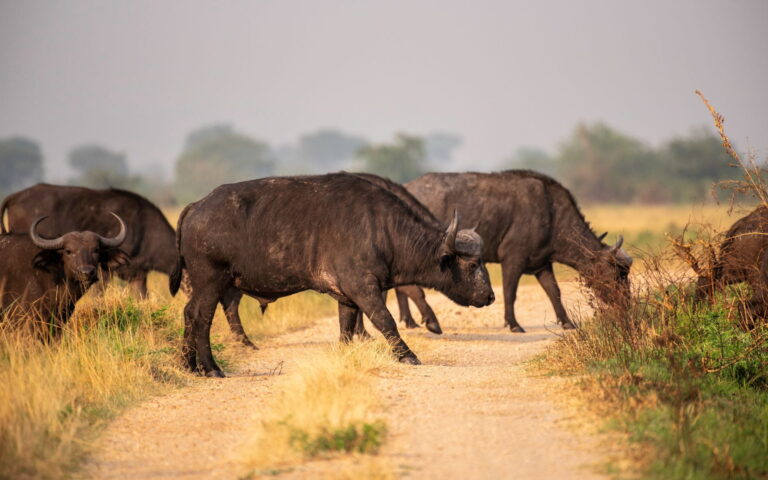
The main attraction during these months is the Mara River crossing. This is nature at its most raw and then dramatic. The herds must face hungry Nile crocodiles in the water and then waiting lions on the banks. Because this is the height of the dry season, the grass is eaten down or thinned out, making it incredibly easy to spot the ‘’Big five’’ (lion, leopard, elephant, buffalo and rhino). However, because this is the most popular time, you should expect more safari vehicles around animal sightings and then higher prices for accommodation. If you want to see the ’’Greatest Show on Earth,’’ August and September are your best targets.
January to March: The New Life and Big Cats Season
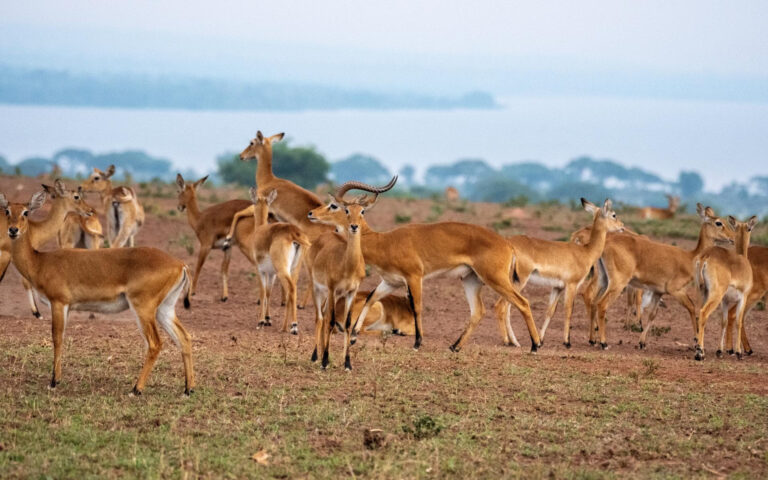
After the huge migratory herds move back to Tanzania, the Mara goes into a season which is described as “a hidden treasure” by many tour guides. The weather is usually dry and nice during the months of January to March, and this period is commonly known as the Calving Season. Many deer of the plains such as antelopes and zebras, among others, give birth to their babies at this time.
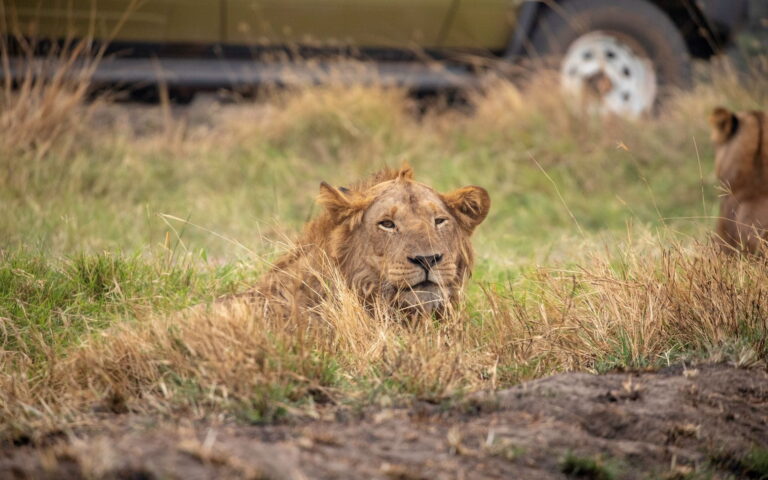
From a tourist’s point of view, this is a perfect season to take photos. Watching a baby elephant or a fawn taking its first steps is something that touches one’s heart. However, this large number of weak and defenseless animals attracts the Mara’s predators which are well-known all over the world. If you want to see the lions, cheetahs, and leopards hunting their prey, then this is the perfect time for your visit. During this time, the predators are very active, and since the rain has not fallen heavily enough to let the grass grow tall, visibility remains excellent. Besides, the number of people is way less than in August which means a more private and peaceful safari experience for you.
April to June: The Emerald Beauty of the Green Season
The “Long Rains” that fall in April, May, and early June, are the perfect time for an adventurous traveler or a person who has a tight budget. These months are the Green Season. Most people think that the rain is a reason to stay away at this time, but actually, it is when the Mara looks its best. The dust which was settled during the dry season is washed away and all the plains become super green with intense, deep emerald color.
There are quite a few benefits of you going to visit that period. Firstly, it is the best time for travelers who are conscious about their budget. Many lodges of deluxe standard, which normally charge thousands of dollars, significantly lower their prices to lure guests. Secondly, the reserve is deserted. You may keep driving for as long as an hour without spotting another tourist vehicle, thus getting an exclusive “private” version of the Masai Mara. Heavy rain may occur, but it generally happens in spectacular afternoon thunderstorms and doesn’t last all day. The mud, if there is any, will just add to the pleasure of the ride as long as your vehicle is a good 4×4 and you have a driver who knows the terrain very well
November and December: The Arrival of the Short Rains
In the months of November and December, the so-called “Short Rains” arrive. The land which may have been looking a little bit dry and parched due to the long dry season is gradually turning to be fresh and green. It is a transitional phase that allows you to enjoy a bit of everything. You get the beautiful green scene; however, the rains are short and they hardly disturb your daily game drives at all.
This is the also the best season for seeing birds. During these months, the migratory birds from Europe and Northern Africa arrive in the Mara, thus becoming a part of the hundreds of resident species that are there all the time. Since the air at this time is clean and contains no dust particles, it is a great setting for sunset photography. December, especially the beginning of the month is very good, given that it comes right before the Christmas rush for the holidays, which means you can get very good deals and have the trails to yourself before the arrival of festive crowds for New Year’s Eve.
Comparison at a glance.
To help you decide quickly, here is a simple comparison of what to expect through the year.
| Feature | July to October | Nov-Dec | Jan-March | April-June |
| Wildlife | Massive herds (migrations) | High bird activity | Baby animals/predators | Resident wildlife only |
| Weather | Cool and very dry | Warm with light rain | Hot and dry | Humid and heavy rain |
| Crowds | Very high | Moderate | Low to Medium | Very low |
| Price | Most expensive | Mid-range | Mid-range | Best value (cheap) |
| Scenery | Gold and brown | Fresh and greening | Dry and short grass | Lush and bright green |
Ultimately, the ‘’best’’ month depends on your personal priorities. If seeing the wildebeest migration is only your bucket list, you must book for August or September. If you want to avoid the crowds and then see big cats hunting in the sunshine, February, is your best bet. If you want the most affordable luxury and do not mind a little rain, May will give you a five-star experience for a three-star price.
No matter which month you choose, Masai Mara remains one of the few places on Earth where the wild still feels truly wild. The rhythm of the land and then majesty of the animals are sure to leave you with safari memories that last a lifetime.