
What is the age limit for gorilla trekking in Rwanda?
Planning a family safari to Rwanda is an exciting prospect, but when it comes to the ‘’bucket list’’ item of gorilla trekking, there is one non-negotiable rule that every parent must understand: the age limit. In Rwanda’s Volcanoes National Park, the official minimum age for gorilla trekking is 15 years old. This rule is strictly introduced by the Rwanda Development Board (RDB) and its done to the country’s conservation and then safety strategy. While it may seem disappointing for the families with younger children, this age restriction is done on important scientific, safety and then logistical reasons that protect both the endangered mountain gorillas and then visitors themselves.
1.The rule: 15 and older.
The policy is straightforward: anyone who has not reached their 15th birthday is legally prohibited from purchasing a gorilla permit or joining a trekking group. When you book your permit, you are required to provide a copy of your passport, which the park authorities verify at the headquarters during the pre-trek briefing on morning of your adventure.
Why the strict enforcement? The RDB does not offer ‘’waivers’’ or exceptions based on the child’s height, physical fitness, or maturity level. Even if a 14-year-old is an experienced hiker or ‘’almost 15,’’ the rules remain firm. This consistency ensures that there is no confusion at the park gates and that the conservation standards are upheld across the board. For families this means planning is essential; if your children are younger than 15 you must either wait a few years for the African trip or we can arrange for them their alternative safari activities while the adults go trekking.
2.Scientific of safety: Protecting Gorilla Health.
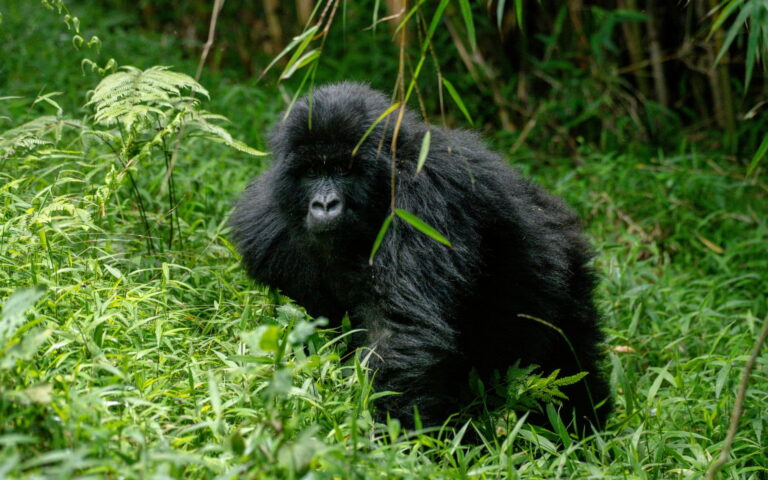
The most significant reason for the age limit is biological. Mountain gorillas share approximately 98 percent of the DNA with the humans, making them highly susceptible to the human diseases. Because their immune systems have not evolved to deal with many common human pathogens, a simple cold or a childhood illness could be fatal to an entire gorilla family.
Childhood illnesses: Children, particularly those under 15, are statically more likely to carry and then transmit common childhood diseases like mumps, measles, chickenpox, and even the common cold. Young children often have developing immune systems and are frequently in contact with germs at school. Because gorillas have no natural immunity to these ‘’human’’ illnesses, the risk of transmission from a younger visitor is considered too high. By setting the age limit at 15, conservationists significantly reduce the biological threat to these fragile primates, ensuring the long-term survival of the species.
3.Behavioral Risks: Maturity in the wild.
Gorilla trekking is not a standard zoo visit; it is a trek into a wild, unique environment where the humans must follow a specific set of the behavioral rules to remain safe. Mountain gorillas are generally peaceful set of the behavioral rules to rules to remain safe. Mountain gorillas are generally peaceful, but they are incredibly powerful wild animals that can react unpredictably to sudden movements or noises.
Discipline and silence: During the one-hour encounter with a gorilla family, visitors must remain quiet, move slowly, and then avoid direct eye contact with the silverback. Younger children may find it difficult to remain perfectly still or silent for an hour, especially if a curious young gorilla approaches them or if a silverback makes a sudden ‘’mock charge.’’ A child’s natural reaction to fear such as screaming to running away could trigger a defensive response from the gorillas, leading to a dangerous situation for the entire group. At 15 teenagers are generally considered mature enough to follow these strict behavioral protocols and then maintain their composure under the intense emotional pressure of being close to a 400-pound silverback.
4.Physical demands: The challenge of the rainforest.
The terrain in Volcanoes National Park is another factor that justifies the age limit. This is the high-altitude trekking in the tropical rainforest. The trails are often steep, incredibly muddy and then covered in the thick vines and then stinging nettles.
Endurance and altitude: A gorilla trek can last anywhere from two to eight hours, depending on where the family is located. This requires a level of physical stamina and then mental endurance that can be taxing even for the adults. High altitude (often above 2500 meters) makes breathing more difficult and then increases fatigue. While some younger children might be physically fit, the unpredictable nature of the hike, sometimes involving crawling through thick bamboo or sliding down muddy slopes is deemed too tiresome and then risky for children under 15. The age limit ensures that every person in the group is physically capable of finishing the trek without putting themselves or the park rangers at risk of injury or exhaustion.
5.What to do for families: what to do with younger children?
If you are traveling to Rwanda with children under 15, your honeymoon or family vacation does not have to be canceled. There are several ways to manage the situation so that adults can trek while the children are safe and entertained.
Lodges children services: Most high-end luxury lodges near Volcanoes National Park are well aware of the age limit and offer professional childcare or ‘’Kid’s club’’ activities. While the parents are trekking (usually from 7:00am to early afternoon), children can stay at the lodge with a vetted nanny, participate in nature walks around the property, or engage in cultural safari activities like basket weaving or drumming lessons.
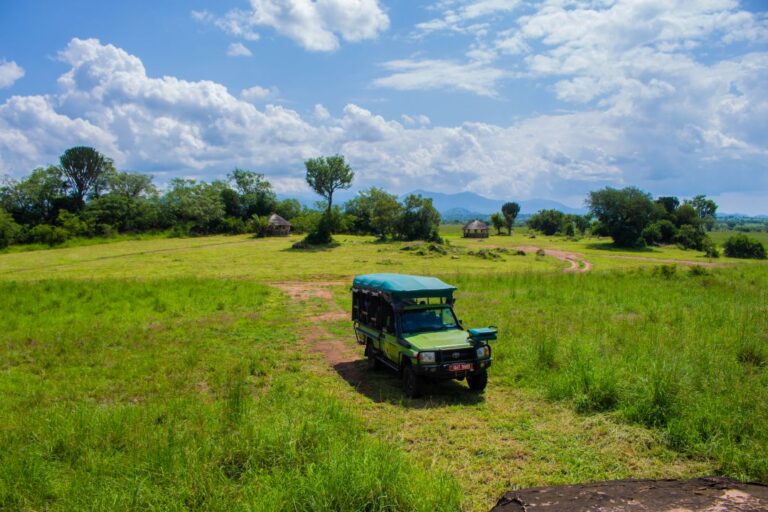
Alternative activities in Rwanda: There are other wonderful things for younger children to do in Rwanda. They can visit the Diane Fossey Map Room, take a cultural tour of the Iby’wacu Cultural Village, or enjoy a boat ride on Lake Kivu. For wildlife lovers, Akagera National Park offers a traditional ‘’Big five’’ safari where children of all ages are welcome to view lions, elephants, and giraffe from the safety of a closed safari vehicle.
In conclusion, the 15-year limit for gorilla trekking safari in Rwanda is not meant majorly to the family fun, it’s an important safeguard for one of the world’s most precious wildlife population. By respecting this rule, travelers are actively participating in the conservation of mountain gorillas. It ensures that the encounter is safe, the animals remain healthy and the environment is protected. For many families, waiting until a child turns 15 makes the eventual trek a powerful ‘’rite of passage’’ a shared reward for patience and a deep lesson in the importance of protecting the natural world.