
What is the age limit for chimpanzee trekking in Nyungwe national park.
When planning a family safari to Rwanda, one of the most important things to check is the age requirement for primate tracking. Nyungwe National Park, a massive rainforest in southern western Rwanda, is famous for its chimpanzees. On a Uganda safari, seeing these intelligent primates in the wild is a dream for many, the park has a strict age limit to ensure the safety of the animals and the visitors. Currently the age limit for chimpanzee trekking in Nyungwe National Park is 15 years old.
1.Why is the age limit set at 15?
Many parents ask why a 12- or 13-year-old cannot join the trek, especially if they are physically fit.
Disease Protection: Chimpanzees share about 98% of their DNA with humans. This means they are vulnerable to human illnesses. Children, particularly those under 15, are more likely to carry ‘’childhood diseases’’ like mumps, measles or even common colds that might have picked up at school. While these illnesses are minor for humans, they can be fatal for a chimpanzee colony. By setting the age at 15, the park authorities reduce the risk of introducing new germs into the wild population.
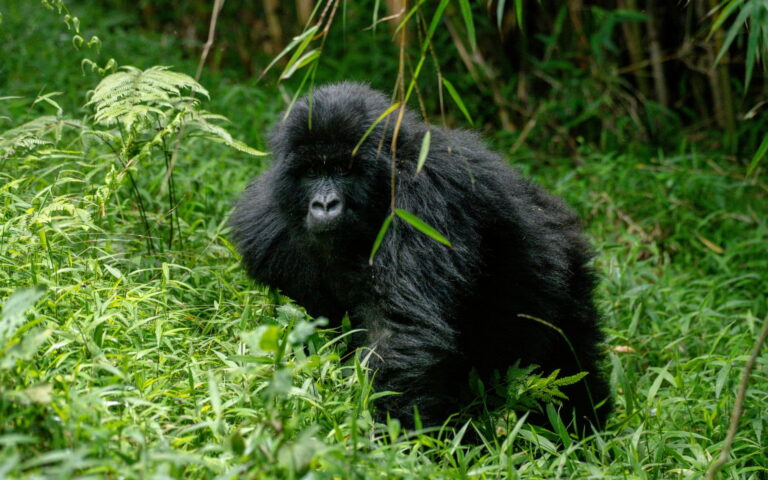
Unpredictable behaviour: chimpanzees are high energy animals. Unlike the clam mountain gorillas, chimps are often loud, fast moving and can be aggressive with one another. If a chimpanzee family starts screaming or swinging through the trees, a younger child might become frightened and scream or run. Sudden movements or loud noises from humans can startle the chimps, potentially causing them to act defensively. A 15-year-old of generally considered mature enough to follow the ranger’s instructions and stay calm during intense moments.
2.The physical challenge of Nyungwe.
Nyungwe is a true rainforest, and the terrain is much more difficult than a standard forest walk. The physical demand is another reason for the age restriction.
Deep jungle hiking: chimpanzees in Nyungwe are ‘’semi habituated’’ meaning they are used to humans but still very wild. They move quickly through the canopy. To keep up with them, you may have to hike off-trail, through thick bushes, and up very steep, slippery slopes. The treks can last anywhere from two to five hours. Younger children often struggle with the endurance required for those long, humid hikes. By the time a teenager reaches 15, they usually have the physical stamina to keep up with the group and then rangers without slowing down the experience for others.
3.How the age limit is verified.
The Rwandan Development Board (RDB) is very strict about enforcing this rule. You can not simply tell the ranger that your child is 15 if they are actually younger.
Passport verification: When you book your chimpanzee trekking permit, you are required to provide a copy of your passport. The date of birth on the passport is used to issue the permit. Furthermore, on the morning of the trek at the park headquarters (either at the Uwinka or Gisakura reception centres), the rangers will check your original passport again. If a child is found to be under the age of 15, they will be denied entry to the forest, and the permit fee is usually non-refundable. It is very important to be honest during the booking process to avoid disappointment at the park gate.
4.Exceptions and special requests.
Occasionally, travelers wonder if there is any flexibility in the rules. Generally, the answer is no. the 15-year-old limit is a standard policy across all of Rwanda’s national parks for primate tracking.
However, if a child is very close to their 15th birthday (for example 14 and 11 months) and is exceptionally tall and fit, some parents choose to write a formal letter to the Rwanda Development Board (RDB) months in advance to ask for a special waiver. These waivers are rarely granted and usually require a lot of paperwork. For 99% of travelers, the age of 15 is a firm boundary that must be respected for the health of the chimpanzees.
5.What can younger children do in Nyungwe?
If you are traveling with children under 15, do not worry Nyungwe National Park is still a wonderful place for a family holiday. There are several activities that younger children can enjoy while the older members of the family go chimpanzee trekking.
The canopy walk: this is one of Nyungwe’s most famous attractions. It is a suspension bridge 60 meters above the forest floor. The age limit for the canopy walk is usually 6 years old, provided the child is accompanied by an adult. It offers a thrilling view of the forest and a chance to see monkeys and birds from above.
Birdwatching and nature trails: There are several shorter, flatter trails around the Gisakura area that are suitable for children. These walks allow kids to see beautiful butterflies, colourful birds, and then various species of monkeys (like the L’Hoest’s monkey) that often hang around the edges of the forest.
Tea plantation visits: Nyungwe is surrounded by beautiful green tea plantations. Many lodges can arrange for children to visit the plantations, learn how tea is picked, and even try ‘’test tasting’’. It is an educational and safety activity for all ages.
6.Planning the ‘’dream trip’’ for the future.
If your children are currently 10 or 12 years old, we recommend waiting a few years before planning your chimpanzee trek.
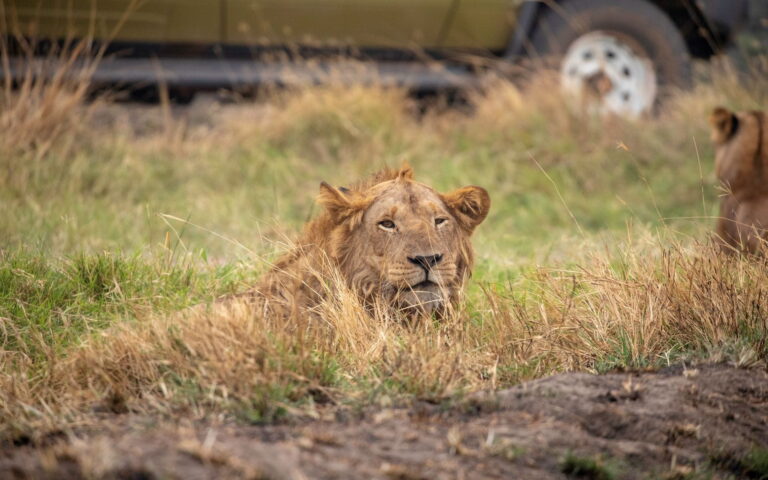
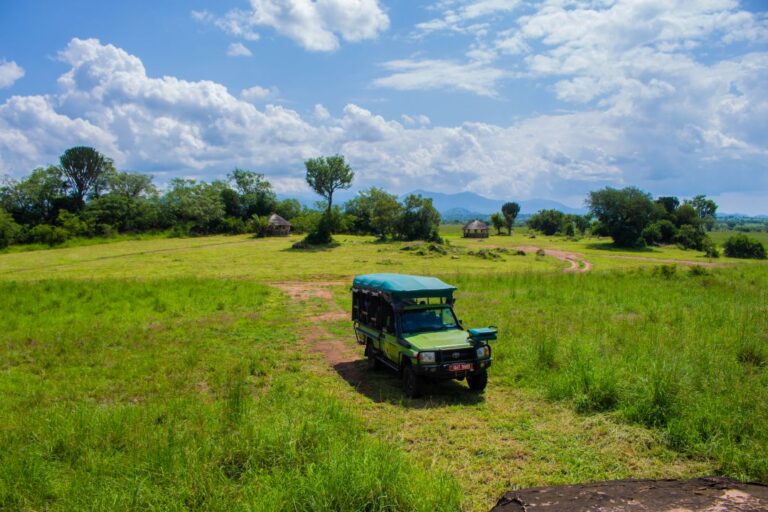
The reward of waiting: Chimpanzee trekking safari is an expensive and then physically taxing safari activity. It is much better to wait until your child is 15 so they can fully appreciate the science, the conservation, and then the thrill of the hunt. In the meantime, you can visit other parks like Akagera National Park in eastern Rwanda. Akagera is a savanna park where you can do traditional ‘’game drives’’ to see lions, elephants and giraffes from the safety of a vehicle. There is no age limit for a standard game drive, making it the perfect choice for families with younger children.
In conclusion, the age limit of 15 at Nyungwe National Park protects the endangered chimpanzees from disease and then ensures that every trekker is physically and mentally prepared for the challenges of the rainforest. By respecting this rule, you are helping to ensure that chimpanzees will still be swinging through the trees of Nyungwe when your children are old enough to return and see them for themselves.