
What animals can you see on a Kenya safari?
Kenya is widely regarded as the world’s largest wildlife stage because of its vibrant and diverse landscapes that include open savannahs, thick forests, sparkling lakes, and arid deserts. As a result, the country supports a vast variety of wild animals. No matter if you’re visiting the famous Masai Mara or the lesser-known spots in the north, you’re certain to encounter animals that most people merely watch on TV. Below are the spectacular creatures of the Kenyan wildlife that you might encounter on your journey with WildApes Safaris.
The Famous “Big Five”
The “Big Five” is a term used by most travelers to refer to the goal of their safari and that is the “Big Five” animals. This group of animals is made up of the Lion, Leopard, Elephant, Buffalo, and Rhino and only a handful of countries in the world, including Kenya, offer you a chance to see all of them together in the wild.
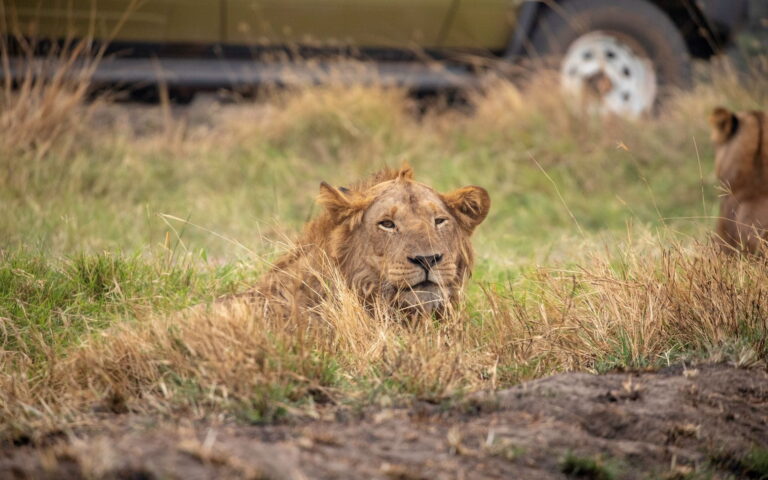
Lions: The lions, who are also called the “kings of the savanna”, are highly present in the Masai Mara and Tsavo. You could frequently spot them in packs or family groups, called “prides”, lying under the shade of an acacia tree or hunting during the early hours of the day.
Elephants: The elephants in Kenya are known to be among the biggest in the whole of Africa. You could witness the gigantic “tuskers” of Amboseli National Park with the magnificent Mount Kilimanjaro as the background. On the other hand, the elephants that have been coated with the red soil of Tsavo present a very unusual view.
Leopards: The leopards are the most secretive out of all the big cats. Being very good at hiding themselves, they usually sleep on the branches of a tree during the day. Seeing one is unquestionably a wonderful experience during any safari.
Rhinos: While endangered, Kenya has several successful rhino sanctuaries. Lake Nakuru and Ol Pejeta are the best places to see both the square-lipped white Rhino and the more solitary Black Rhino.
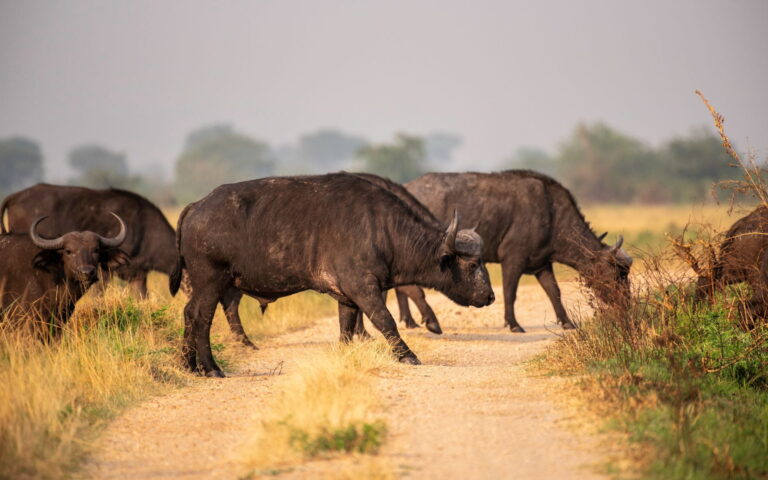
Buffaloes: Don’t let their cow-like appearance fool you; the African Buffalo is extremely strong and brave. You will come across them in large protective herds almost throughout all the parks in Kenya.
2. The “Big Cats” and Predators.
Besides lions and leopards, there is a whole lot more of predators that you can find in Kenya. The flat and open fields offer the perfect stage for the predators to exercise their hunting skills.
Cheetahs: The Masai Mara is the number one location if you want to see cheetahs that are known to be the fastest running land animals. Cheetahs most of the time hunt gazelles which are also the main inhabitants of the open plains.
Hyenas: Spotted hyenas often get a bad reputation, but they are really clever and capable hunters. During the night, when you are near your safari camp, the likelihood is high that you will hear their distinct “whoop” or “laugh” sound.
Wild Dogs: Wild dogs are also referred to as painted wolves and they are quite uncommon. Nevertheless, they still get spotted every now and then in Laikipia and Samburu regions. Those who have seen a pack of wild dogs consider themselves extremely lucky safari lovers.
3. The Great Migration and Plains Game
Kenya boasts a population of millions of “plains game”, that is herbivores, which are at the core of the living ecosystem, and the most famous instance involving these animals is the Great Migration.
Wildebeest and Zebras: Routinely, between the months of July and October, the Masai Mara sees the arrival of not less than 1.5 million wildebeests and hundreds of thousands of zebras. Even if it is not during the time of migration, there are always certain “resident” herds around all year round.
Giraffes: There are three varieties of giraffes in Kenya: the Maasai giraffe (in the south), the Reticulated giraffe (in the north), and the extremely rare Rothschild giraffe (seen in Nakuru and Nairobi).
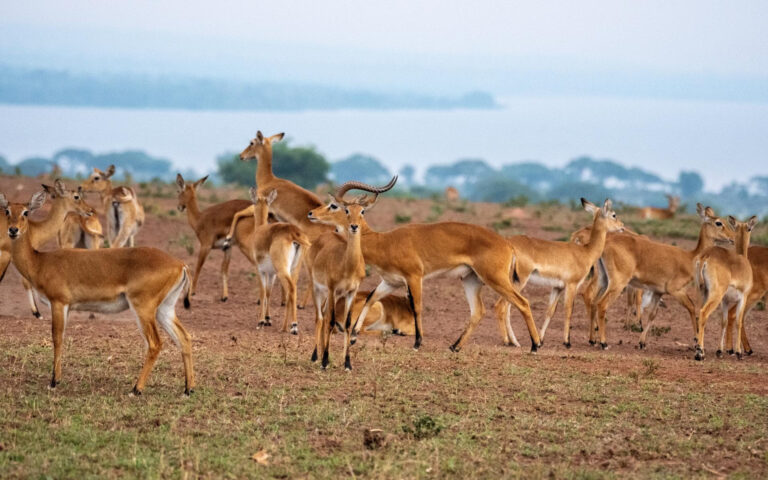
Antelopes: You will see a huge variety of antelopes, from the tiny Dik-dik (which is about the size of a rabbit) to the massive Eland (the world’s largest antelope).Keep an eye out for the graceful impala and the water loving waterbuck.
4. The “Samburu Special Five”
Going to the north of Kenya means you will see the animals adapted to the dry, arid climate. These are very special species that you will not come across in the Masai Mara.
Reticulated Giraffe: The first thing that comes to mind is its really outstanding, liver-colored geometric pattern.
Grevy’s Zebra: Compared to the plain zebra, it is much bigger and has thin stripes and big, rounded ears.
Somali Ostrich: One of the main features is the blue color that appears on its neck and legs.
Beisa Oryx: It is a stunning antelope and its horns are super long and straight.
Among the first things people think of when they see the gerenuk are the giraffe-necked antelope as they have such a long neck. Due to its habit of standing on its hind legs to get leaves from the high branches, it is very well known.
5. Aquatic Life and Primates.
Kenya lakes and forests give a totally different kind of wildlife travel adventure besides the dry plains.
Hippos and Crocodiles: These two can be spotted very easily in the Mara River and Lake Naivasha. Hippos are one of the typical themes of a safari, especially if you find a pod of them yawning while in water.
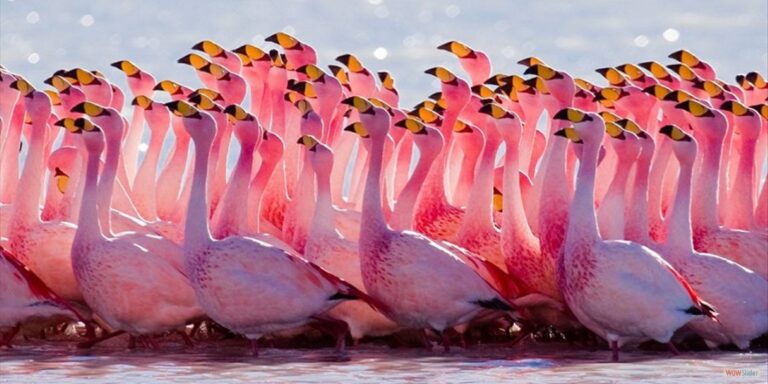
Flamingos: Lake Nakuru and Lake Bogoria are known worldwide because of the millions of pink flamingos feeding that turns the water into an ocean of color.
Primates: In the forest areas, there are Olive Baboons, Sykes’ Monkeys, and the lovely Black-and-white Colobus Monkeys with their pretty long tail, to name a few.
6. A Note on Birdlife
If you are a bird lover, Kenya is a true paradise since there are more than one thousand species of birds recorded in the country. From the enormous Martial Eagle and the wonderfully colored Lilac-breasted Roller to the Ground Hornbill that looks somewhat like a dinosaur, the birdlife of Kenya with its diverse colors and sounds will always be remembered as an extra highlight of your game drives.
Summary: What to Carry
To get a better view of the animals, we advise you to bring a good quality pair of binoculars (for example, 8×42) and a camera with a zoom lens. Most importantly, carry your patience with you. Nature is capricious which means that sometimes the greatest experiences come from the instances when you are just sitting silently and allowing the savanna to disclose its secrets to you.
In conclusion, a safari in Kenya is similar to living a nature documentary. You may say that the smallest insect is any less important than the biggest elephant in the same ecosystem. However, this is one very special ecosystem and that is why every creature that inhabits it has to be acknowledged. WildApes Safaris is a great company that offers you expert guides passionate about wildlife who will help you not only spot but also recognize the numerous animals which make their home in Kenya.