
New Gorilla Families Opened for Trekking in Bwindi in 2026.
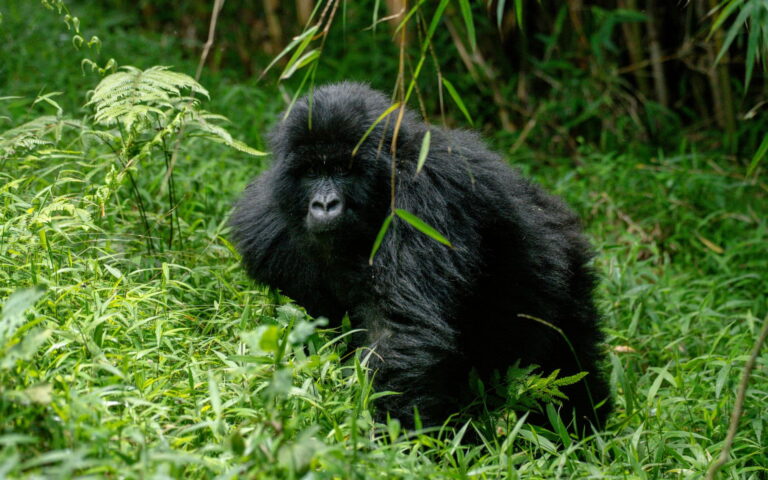
Bwindi Impenetrable National Park in Uganda is considered to be one of the best tourist safari destinations for primates and has now begun a new era in 2026. Uganda Wildlife Authority (UWA) has recently started trekking some new families of gorillas that have been habituated in the park. This marks a major achievement for Uganda as it is now providing more choices of mountain gorilla safaris in Africa.
There are over 459 mountain gorillas in Bwindi, making up nearly half of all those left on earth. It is home to the greatest number of habituated gorillas today, while the introduction of these additional families ensures that the park’s reputation as the ideal place to trek gorillas continues to be well-deserved. For those looking to go on a safari in 2026 and beyond, they will get an advantage through more permits, smaller crowds, and the ability to trek additional habituated gorillas.
Two New Families Officially Opened in 2026.
Uganda Wildlife Authority confirmed the opening of two new habituated gorilla families in April 2026, expanding the park’s trekking options across different sectors. These families are the Happy Group in the Buhoma sector and the Nshanjare Group in the Rushaga sector. Both are now fully integrated into UWA’s official booking system, giving travelers greater flexibility when securing permits.
Nshanjare family has generated particular interest among safari enthusiasts because of its location in Rushaga, a sector already famous for hosting the largest number of gorilla families in the park. The training of Nshanjare took many years as a result of efforts by scientists and rangers who had to follow this group on a daily basis, studying their social dynamics and familiarizing them with human contact. Currently, tourists get the opportunity to walk with this group amid the thickly wooded hills and fog-covered areas in the south of Bwindi Impenetrable Forest.
Happy Group in Buhoma similarly adds to the options in the park’s northern sector, which is the oldest and most established trekking area in Bwindi. With these additions, Buhoma now has six gorilla families available for trekking, while Rushaga has ten, making these sectors the most popular choices for gorilla safaris.
Recent Additions from Prior Years.
Apart from the Happy and Nshanjare groups that have been opened for tourism in 2026, there are other habituated groups that can be visited within recent years. Following the announcement of the year 2024 in January, five more families of gorillas were introduced by UWA. These include the Bunyindo and Muyambi families in Buhoma, the Rwigi and Tindatine families in Rushaga, and the Posho family in Nkuringo. Each of these groups now contributes to the park’s total of 25 fully habituated gorilla families available for trekking.
The addition of these families has significantly increased the number of gorillas permits available daily. Bwindi now offers approximately 200 gorilla trekking permits per day across its four sectors, compared to the more limited availability of previous years. This growth helps even out distribution in the park, lessening the strain on the families who have been there for a long time.
Importance of New Gorilla Families for your Gorilla Trekking Safari.
The availability of new gorilla families helps solve several problems associated with gorilla trekking in Bwindi. At certain times of the year, from June to September and from December to February, permits to see the most famous families would be sold out long before they were needed. With more families available, travelers have better odds of securing permits even during high season.
New families also offer a different type of experience. Whereas well-known families like that of Mubare have received visits from countless tourists within several decades, recent habituated families are still at a very early stage of exposure to tourists. Such families usually conduct themselves more naturally because they are not used to being around humans. For photographers and experienced safari travelers seeking something beyond the well-trodden path, a trek with a newly opened family can be especially rewarding.
How to Book a Trek with the New Families.
Booking a trek with any of the new gorilla families follows the same process as booking with established groups. Because permits are issued by sector rather than by specific family, travelers must book a permit for Buhoma, Rushaga, Nkuringo, or Ruhija. On the morning of the trek, during the mandatory briefing at the park headquarters, visitors can request a specific gorilla family. UWA rangers typically consider visitors’ interests, physical fitness levels, and group preferences when making assignments.
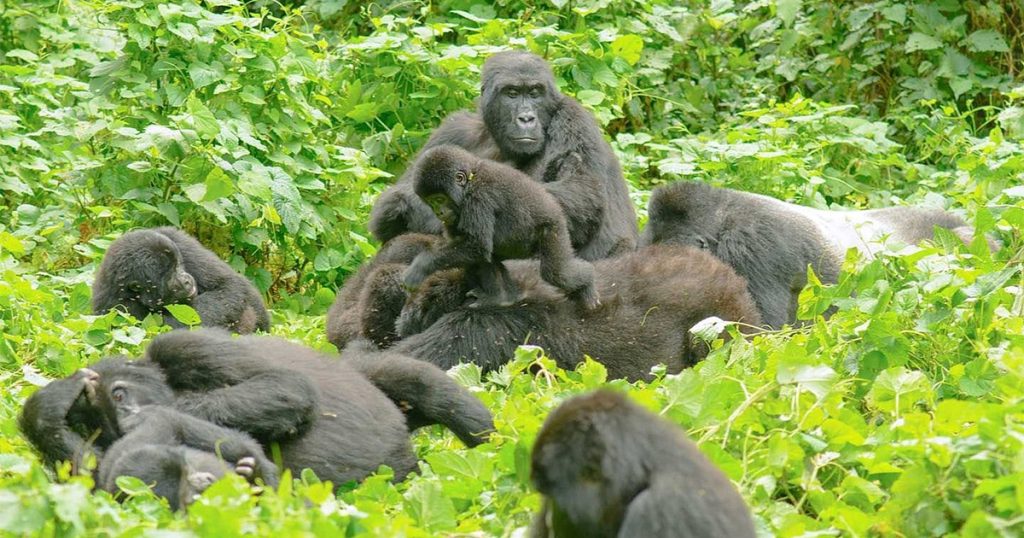
For those specifically hoping to track the Nshanjare or Happy families, it is essential to book a permit for the Rushaga or Buhoma sectors respectively and to communicate this preference early during the briefing. Early booking remains critical, especially for travel during peak months. Permits are limited to just eight visitors per gorilla family per day, and demand continues to grow each year.
Permits Charges and Useful Information.
The price charged on a permit to trek gorillas in 2026 is $800, while foreign residents have reduced prices, as do the Africans and East African Community member countries. For those who need more time, there is a gorilla habituation experience that enables one to stay with the semi-habituated family for four hours only in the Rushaga region. The cost is $1,500. Low-season discounts of $600 for foreign non-residents apply during April, May, and November, making these months particularly attractive for budget-conscious travelers.
Bwindi is best visited during the dry months which fall between June and September as well as December and February. But since it is located within a rain forest, Bwindi can experience rains anytime, therefore rain gears should be brought along just in case.
A New Chapter for Gorilla Tourism.
The opening of these new gorilla families in Bwindi represents more than just additional permits. It reflects Uganda’s continued commitment to conservation and sustainable tourism. Economic gains come from every new family that becomes acclimatized and open for trekking tours, as well as aiding anti-poaching programs, thus helping with the survival of mountain gorillas in the future. For visitors, it means new options and more chances to enjoy what they would call an incredible wildlife adventure in Africa. The gorillas of Bwindi are waiting, and now there are more of them to meet than ever before. Contact us for more information.