


Is Kenya safe for a wildlife safari.
For many travelers, Kenya is the ultimate dream safari destination. It is the place where the concept of a ‘’safari’’ was born. However, when you look at news headlines of travel advisories, you might feel a little nervous. You might ask:’’ if it really safe to visit Kenya for a wildlife safari in 2026?’’
The simple answer is yes. Millions of people visit Kenya every year and have a perfectly safe, life changing experience. However, like any travel safari destination, being safe requires a bit of knowledge and preparation. Most of the risks people worry about are easily avoided if you stay in the right areas and follow a few simple rules.
Safety inside the national parks.
The good news is that Kenya’s national parks like Masai Mara national reserve, Amboseli national park and Tsavo national park are among the safest places in the country. These areas are far away from the bust, crowded cities and are strictly managed by the Kenya Wildlife Service (KWS).
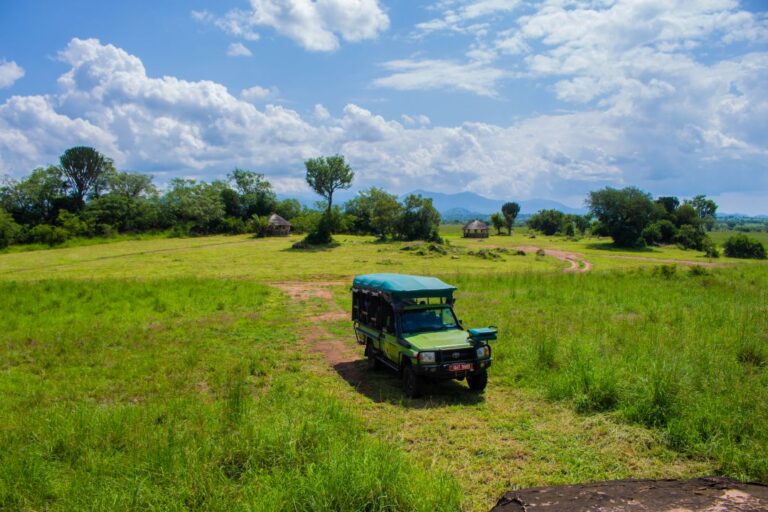
When you are on safari, you are in a ‘’tourist bubble.’’ Most lodges and camps have 24-hour security guards (often local Maasai warriors who know the land perfectly). These guards make sure that wild animals do not get too close to your room at night and that only authorised people enter the property. Inside the parks, the ‘’crime’’ you are the most likely to encounter is a cheeky monkey trying to steal your breakfast.
Urban security: Moving Nairobi and Mombasa.
Most safaris start or end in Nairobi. While the safari parks are very safe, the big cities require more ‘’street smarts.’’ Just like in New York, London, or Paris there are neighbours that are safe and others that you should avoid.
In Nairobi, areas like Karen and Westlands are very popular with the tourists and are generally safe to walk around during the day. However, it is a golden rule in Kenya never to walk alone at night in the cities. Always use a reputable taxi app like Uber or have your hotel arrange a driver for you. Keep your phone and expensive camera inside your bag when walking in crowded markets to avoid ‘’snatch and grab’’ petty theft. If you follow these simple urban rules, your time in the city will be smooth and enjoyable.
Wildlife safety: respecting the locals.
The biggest ‘’danger’’ on a safari is not usually people it’s the animals but remember the animals are only dangerous if they feel threatened or if humans break the rules. Your safari guide is your best find when it comes to safety. They are highly trained to read animal body language.
Here are the most important rules for staying safe around wildlife:
Stay in the vehicle: Never get out of your safari jeep unless your guide tells you it is a designated ‘’safe zone.’’
Keep your voice down: Loud noises can startle animals, which might cause them to run away, or in rare cases, charge.
Do no feed the animals: This includes monkeys at your lodge. Feeding them makes them aggressive toward humans.
Zip your tent: If you are staying in a tented camp, always keep your tent zipped up. This keeps out insects and small curious animals.
Health and medical safety.
When people ask ‘’is Kenya safe”, they are often thinking about health. In 2026 Kenya has good medical facilities in major cities, but in the bush, help can be far away.
The most common health concern is Malaria. Most safari areas are in ‘’malaria zones,’’ so it is highly recommended to take anti-malaria tablets. You should also use the insect repellent every evening. Another simple tip: Never drink tap water. Always stick to bottled or filtered water provided by your lodge. Also, do not forget the Afrina sun is very strong. Wearing a hat and drinking plenty of water will prevent heatstroke, which is one of the most common reasons tourists feel unwell on safari.
Transportation: Flying vs Driving.
Kenya’s roads have improved a lot, but traffic can be chaotic. If you are nervous about the long road trips, the safest and then most comfortable way to travel is by domestic flight. Small planes fly daily from Nairobi’s Wilson Airport directly to the dirt airstrips in the Masai Mara or Amboseli national parks.
If you do choose to drive, it is best to hire a professional driver guide through a reputable tour company like WildApes Safaris. They know the ‘’unwritten rules’’ of Kenyan roads and how to move the traffic safely. Avoid driving at night, as roads can be poorly lit and animals sometimes cross the path unexpectedly.
Your 2026 safety checklist.
| Category | Advice |
| Documents | Keep a digital copy of your passport and ETA on your phone. |
| Money | Don’t carry large amounts of cash; use cards or M-Pesa where possible |
| Clothing | Wear neutral colours (khaki, olive) to mix in and then avoid tsetse flies. |
| Insurance | Always get travel insurance that includes ‘’emergency medical evacuation’’ |
| Area to Avoid | Stay away from the border regions with Somalia (which are far from main safari parks) |
In conclusion, Kenya is a warm, welcoming country that takes the safety of its visitors very seriously. Tourism is a huge part of the economy, so the government and then the local communities work hard to keep safari goers protected. If you book with a reputable company like WildApes Safaris, then kindly you are advised to listen to your safari guide, and then use the common sense in the city, your Kenya safari will be one of the safest and most incredible adventures of your life.
For more information about knowing Is Kenya safe for a wildlife safari, or any information that you may need to know about the Kenya safaris, from the wildlife safaris to the beach safaris. Do not hesitate to contact us or make an inquiry at WildApes Safaris and our tour experts will be available to advise you and then help you to plan for you the excellent Kenya safari with the best safari itinerary that will offer you the wonderful experience.