
Is it safe to do gorilla trekking in Rwanda?
The mystique and exhilaration of coming face to face with a mountain gorilla often overshadow initial concerns about safety, especially when traveling to a remote African rainforest. However, the short answer for travelers contemplating a safari to Rwanda’s Volcanoes National Park is unequivocally yes, gorilla trekking safari here is extremely safe, highly regulated, and then properly manages. Rwanda has consciously positioned itself as a secure, high value safari destination, pouring significant resources into ensuring the safety of the tourists, staff and then most importantly, the critically endangered gorillas themselves. The feeling of safety is not accidental; it is the result of the rigid government policy, expert conservation management, and then commitment to national stability that makes the experience secure from the moment you land in Kigali until the moment you depart.
1.Foundation of safety: Political stability and infrastructure.
The bedrock of Rwanda’s successful tourism industry is its decades-long commitment to political stability and then infrastructure development, which directly impacts tourist safety.
National order and low crime: Rwanda is internationally recognized as one of the most organized and then secure countries in Africa. Crime rates, particularly those affecting tourists, are remarkably low throughout the national, including the capital city, Kigali, and the tourist attraction of Musanze, near Volcanoes National Park. The government views the gorilla trekking industry, which generates substantial revenue through the 1500 USD permit fee, as a protected national asset. This means there is a vested interest in maintaining absolute security around the parks and along the travel corridors. Visitors benefit from the pervasive sense of order and safety that is instantly apparent upon arrival, contrasting sharply with the security perceptions of many other African nations.
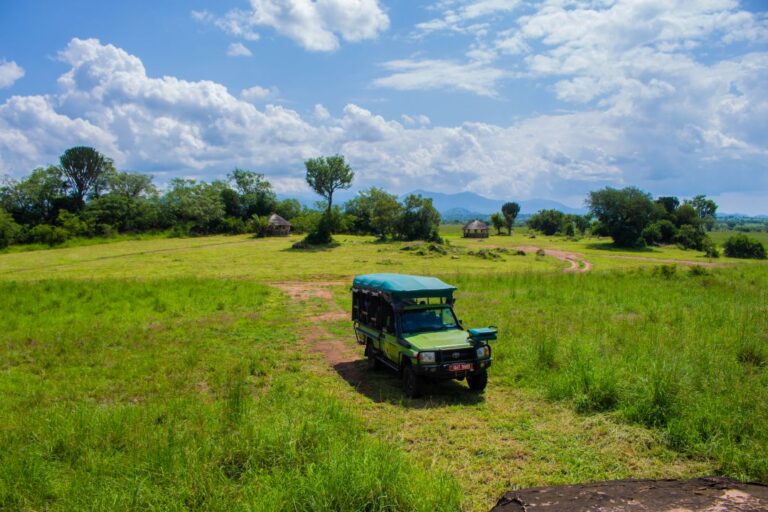
Secure logistics and road network: The logistical journey from Kigali to the park is smooth and highly secure. The main road network is exceptionally well maintained, reducing the risks associated with the poor road conditions or breakdowns. Tour operators use the modern, reliable 4×4 vehicles and the transfer time is relatively short (around three hours), reducing exposure to the potential risks. Furthermore, the routes leading to the park are regulated monitored and then protected, thus ensuring that the tourists are only focused on the scenic beauty of the country, not on potential security issues during transit.
2.Physical security: Park rangers and Border control.
The most visible aspect of security lies in the highly professional management of the Volcanoes National Park itself, particularly concerning the border with the neighboring countries.
The role of the armed park rangers: Every gorilla trekking group is accompanied by a team of the highly experienced park rangers, many of whom are armed. Their presence serves several critical functions. Firstly, they are experts in the terrain and then gorilla behavior, ensuring the safety and then comfort of the trekking group. secondly, they act as the visible deterrent against any potential threats. While confrontation is exceptionally rare the rangers’ presence is designed to handle any eventuality, allowing the tourists to trek in confidence. The main goal is maintaining the peaceful integrity of the forest encounter.
Rigid border security: Volcanoes National Park shared a border with the Democratic Republic of Congo (DRC) this is the country that has faced historic political volatility. The Rwandan government maintains a robust, visible and sophisticated security presence along this border. Trekkers are kept strictly within the well defined and monitored boundaries of the park, and the routes used are far from the sensitive border zones. This stringent control ensures that external political or security issues do not encroach upon the gorilla habitat or the tourist trekking routes, isolating the trekking experience within a secure bubble.
3.Gorilla interaction safety: Health and behavioral Protocols.
The safety protocols enforced during the actual hour with the gorillas are main designed to protect the animals, but this simultaneously ensures human safety.
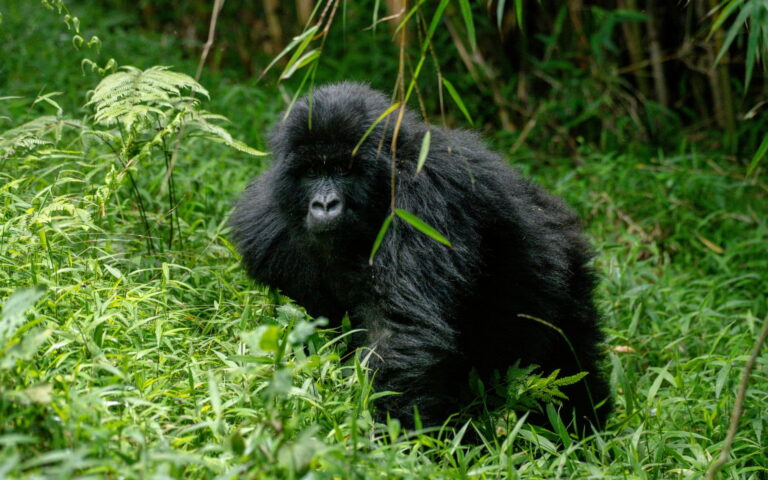
Habituation and predictable behavior: Tourists only visit gorilla families that have undergone a rigorous habituation process, meaning they are accustomed to the human presence and are generally calm and non-aggressive. The rangers and trackers are experts at reading gorilla body language. They know when to stop, when to step back, and how to calmly manage the group’s positioning to avoid stressing the animals. If a young gorilla approaches a tourist the rangers intervene immediately to restore the mandated distance, ensuring the animals maintain their wild state and then visitors remain at a safe observational range.
The seven-meter rule and disease control: the mandatory minimum distance of the seven meters is the single most critical safety measure. This rule protects the gorillas, who are highly susceptible to the human illnesses like the common cold. Visitors who show any sings of illness are not permitted to trek. This focus on bio-security protecting the gorillas from the human pathogens is the best and then the strictness of the adherence provides trekkers with confidence that the entire system is built on the responsible and non-negotiable conservation ethics.
4.Personal safety: Physical demands and porter support.
While not a security threat, the physical challenge of the trek is the element most likely to cause injury and robust safety measures are in place to mitigate this risk.
Mandatory briefing and gear checks: before the trek, the RDB rangers provide a thorough safety briefing, covering everything from what to do if a silverback charge (stay low and avoid direct eye contact) to advice on moving the muddy slopes. They check footwear and gear to ensure trekkers and prepared. The rangers are trained to manage group pacing, ensuring slow and steady progress to combat the effects of the high-altitude trekking and then physical exhaustion.
The essential porter Hire: The single greatest aid to personal safety is hiring a local porter. The trails are steep, slippery and often dense with undergrowth. A porter not only carries your heavy daypack, but they also offer a steady hand and pull up steep sections, significantly reducing the risk of a fall or twisted ankle. This small, ethical investment (typically 10 USD to 20 USD is highly recommended by all operators, changing the trek from a personal struggle into a manageable, supported physical activity.
In conclusion, a gorilla trekking safari in Rwanda is an emotionally rewarding African trip. The price from the trekking permits helps to fund the infrastructure, expert ranger teams, and political stability that offer visitor safety. Get in touch with us for more information.