
How to Trek the Nshanjare Gorilla Family in Rushaga Sector, Bwindi,
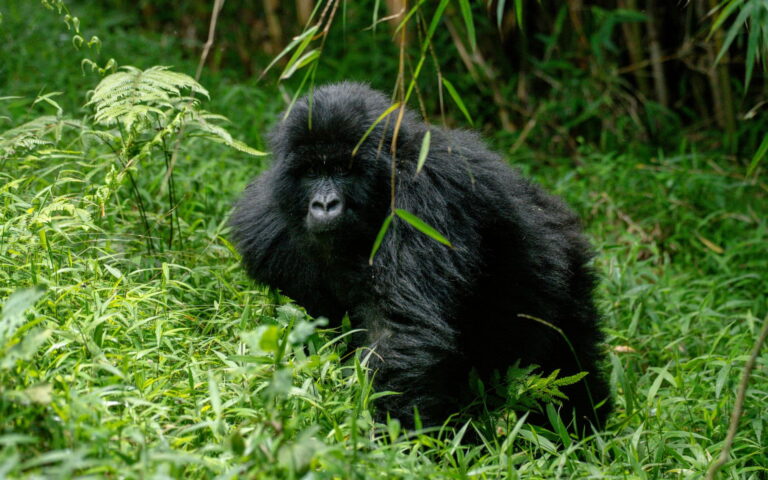
Nshanjare gorilla family is the newest habituated gorilla family available for trekking in Bwindi Impenetrable National Park because it was officially open to tourists in April 2026. Nshanjare is located in Rushaga sector, and Rushaga sector has the reputation of being the gorilla capital of Bwindi because of the high number of habituated gorilla families, over eight families being recorded in the Rushaga sector the most concentrated number of any part in the whole Bwindi National Park.
Rushaga sits in the southern part of Bwindi, near the town of Kisoro and close to the borders of Rwanda and the Democratic Republic of Congo. This strategic location means that many travelers’ accesses Rushaga from Kigali, which offers a shorter and more convenient road transfer compared to Entebbe. The sector’s abundance of gorilla families gives trekkers unmatched flexibility and greatly improves the chances of securing permits, even during the busy months of June through September and December through February. The Nshanjare family has been carefully habituated over more than two years, during which researchers and rangers studied the behaviors of this group and its individual members before opening it for tourism. This careful process ensures that the gorillas are comfortable with human presence while remaining truly wild.
How to Book Your Trek for the Nshanjare Gorilla Family.
Booking a trek to see Nshanjare gorilla family requires understanding how the permit system works in Bwindi. Gorilla permits for Bwindi are not issued for specific families in advance but are booked per sector. Since Nshanjare is located in Rushaga sector, you must book a gorilla permit for Rushaga. This process starts with reaching out to a tour operator that one can trust like WildApes Safaris or others and arranging with Uganda Wildlife Authority for the time you need. After confirming and paying the tour operator, he will sort out your permits and also arrange other needs for you.
The standard gorilla trekking permit for Uganda costs $800 per person for foreign non-residents, a rate that has held steady for the 2026-2027 period for high season and then 600 USD for the low season during May, June and November. This permit grants you one hour with the gorillas once they are located. Permits are limited to just eight visitors per habituated gorilla family per day, and demand has been exceptionally high, with permits for peak months selling out 18 to 24 months in advance. Because Nshanjare is a newly opened group, it may offer slightly better availability than some of the more established families, but early booking remains essential. Travelers planning to visit during the peak dry seasons of June through September or December through February should book their permits at least six months to one year ahead.
Requesting the Nshanjare Family on the Day of Trekking.
While you cannot guarantee a specific gorilla family when you first book your permit, you can request to be assigned to Nshanjare on the morning of your trek. The process works as follows. All gorilla trekking in Rushaga begins with a mandatory briefing at the Uganda Wildlife Authority headquarters, which starts at approximately 8:30 AM. It is essential to spend the night at a lodge near the Rushaga trailhead so you can arrive at the briefing on time and well-rested.
During the briefing, park rangers explain the dos and don’ts of gorilla trekking. This is the moment when you should express your interest in trekking the Nshanjare family. Your tour guide can assist in making this request. The rangers will allocate the trekkers into individual gorilla families according to several criteria such as interests and physical fitness among others. Although it cannot be assured that you are allocated to Nshanjare gorillas, chances are much higher since the family in question is located in Rushaga sector, which is where you have booked your trek.
What Makes the Nshanjare Trek Unique.
As a newly habituated group, Nshanjare offers something that older, long-established families may not. The experience is likely to be relatively fresh and real since the habituated gorillas remain relatively wary and nervous, thus creating an element of spontaneity and unpredictability, something that attracts most wildlife photographers and seasoned trackers. Rushaga region features rugged and rough terrain, including steep mountains and dense forest. However, the trails in this area are well-maintained, and every climb rewards you with magical sightings of gorillas in their untouched habitat.
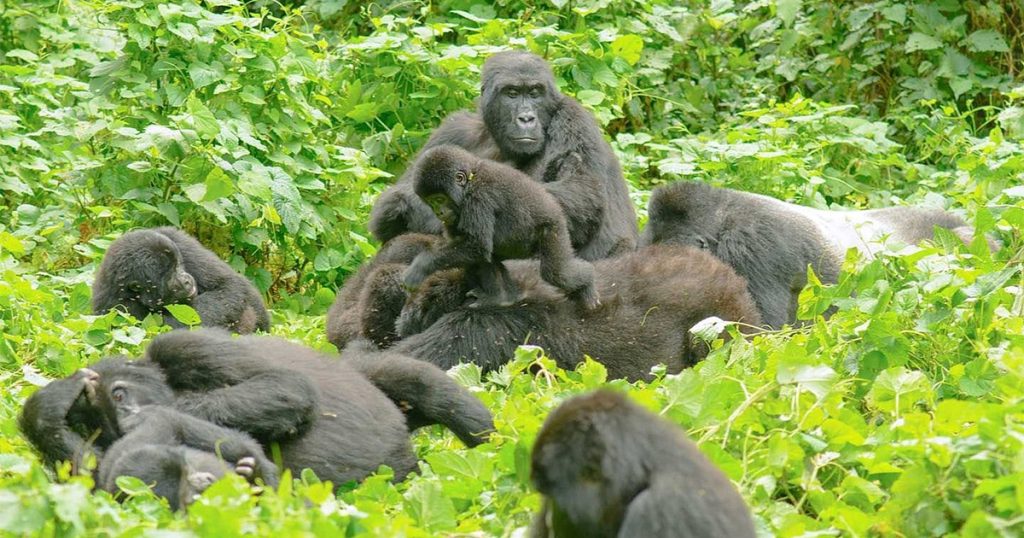
The trek length can vary significantly depending on where the Nshanjare family has moved on the day of your visit. Some trekkers may find the gorillas within one or two hours, while others may hike for four hours or more. Rushaga sector is located in the steep hills and narrow forest trails. Despite the period of time spent looking for the gorillas, the joy of meeting them makes every minute worth it.
Habituation Experience in Rushaga.
For travelers who want more than the standard one-hour trek, Rushaga is the only sector in Uganda that offers the gorilla habituation safari experience. This exclusive safari activity allows you to spend up to four hours with a semi-habituated gorilla family, observing authentic behaviors like feeding, grooming, nesting, and playful interactions and among many others. The habituation permits costs 1500 USD for foreign on−residents through December 31,2026, increasing to 1,800 from January 1, 2027. Only four visitors are allowed per day, making this a truly premium and intimate experience.
While the Nshanjare family is now fully habituated and open for standard trekking, the habituation experience remains available with other families in the Rushaga sector. Photographers, researchers, and passionate wildlife lovers often choose this encounter because it provides the time needed to record rare behaviors and truly connect with these incredible animals.
Preparing for Your Nshanjare Trek.
Proper preparation makes you to have the best safari experience. The terrain in Rushaga is steep and can be muddy, especially in the rainy seasons. So, there is need of the sturdy, waterproof hiking boots that you have broken in before your trip are essential. Long trousers and long sleeves protect against stinging nettles, and gardening gloves help you grip vegetation on steep sections. A waterproof jacket is necessary as rain can arrive at any time in the montane forest.
Hiring a porter at the trailhead is strongly recommended. For approximately 15to20, a porter carries your daypack and provides a hand on slippery or steep sections. The porters are local community members, and hiring one directly supports families in the area. The physical demand of the trek are real, with humidity, and steep slopes combining to create a genuine challenge during the safari. Yet thousands of travelers complete the trek every year, and the moment you come face to face with the Nshanjare family, the fatigue disappears. The gorillas are waiting. Book your permit, pack your boots, and prepare for an adventure you will never forget. Contact us for more information.