
How safe is gorilla trekking in Uganda.
Uganda’s Bwindi Impenetrable National Park and Mgahinga Gorilla National Park have consistently been rated as two of the safest wildlife safari expeditions on earth. Although you will be trekking through a challenging environment of dense forest, steep hills, and high elevation, the likelihood that either an encounter with a gorilla will present a danger to your safety or that other external security risks will be present is very low. The Ugandan Government and Uganda Wildlife Authority (UWA) values gorilla tourism as a very important resource for the country, and have in place extensive multi-sanctioned security procedures and guidelines to ensure a safe trek for all trekkers from start to finish.
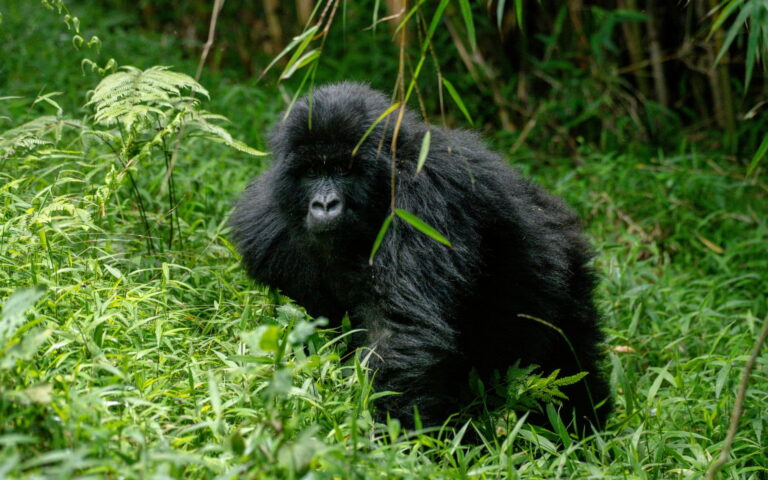
Often, the perception of danger is much greater than actual danger. The many years that have been spent habituating mountain gorillas to humans have resulted in the gorillas becoming docile and easy to walk with and view, such is their nature “as gentle giants” and with the accompanying presence of armed ranger security present during your trek, you will be walking in a secure environment.
Wildlife Risks: Habituation and Gorilla Behavior.
The number one concern for many first-time trekkers is often the danger presented by large mountain gorillas. However, this risk is not significant once a gorilla is habituated to humans, and not only does habituation provide trekkers with the opportunity to observe and photograph these magnificent creatures, but it also provides an increased level of safety.
Habituation The Key to Safety.
The gorilla families you will visit during your visit are habituated, which means they have experienced a lengthy period (typically 2 to 3 years) in which they have become accustomed to human presence, but have not become dependent on it.
Visitors observe that humans do not endanger gorillas. The gorillas usually appear calm, relaxed, and tolerant of this hour-long visit. They will continue to eat, groom, and play while ignoring the visitors.
Ranging Ability and Mock Charges.
All trekking parties are accompanied by trained guides from the Uganda Wildlife Authority (UWA) plus armed rangers, whose experience allows them to interpret symptoms of Gorilla behavior. The rangers also know the optimum positions for trekking parties, and they study patterns of behavior, see and hear warning signs before anything becomes a threat. On occasion, a dominant male Silverback will conduct a mock charge through a loud beating of the chest, piercing bare gaze, or a short burst of running. The aim of this action is to assess or frighten the visitors. Visitors are instructed on how to react to a mock charge: bend over, yield to their eyes, and respond as submissively as possible. The ranger will help direct the group through these guidelines, which gives confidence to trekkers that the Silverback will turn back once he sees that the visitors are showing him respect and submission.
The Rule Of Distance.
The most important rule regarding visiting Gorillas is that they must maintain an adequate distance of a minimum 7 Meters (23 feet) from them. This distance ensures the safety of the visitors and Gorillas both by preventing physical confrontation and, most importantly, by reducing risk of disease transmission (see Health Risks section).
Security in Uganda’s National Parks: The Role of Armed Park Rangers.
The trekking areas of Bwindi Impenetrable and Mgahinga National Parks are designated as “high security zones,” to allow for external threats to be neutralized before they reach visitors.
Armed Escort and Patrol.
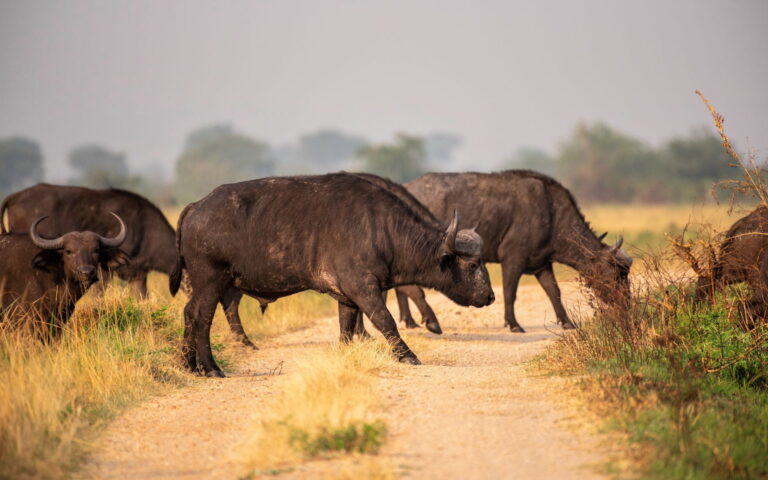
Each trekking group is accompanied by 1 or 2 armed Uganda Wildlife Authority (UWA) rangers whose chief responsibility is not to protect the gorillas, but rather to protect the tourists from the less habituated forest wildlife (like forest elephants, buffaloes), as well as poachers and other illegal activities. The Uganda Wildlife Authority, in partnership with the Uganda People’s Defense Force (UPDF) conducts rigorous daily patrols and border control in the remote areas along the border between Uganda and the Democratic Republic of the Congo (DRC).
Uganda has had a stellar record of security in relation to gorilla trekking for more than 20 years. In response to a single, isolated security event that occurred in 1999 (the Bwindi Massacre), the Uganda government greatly increased military presence and security protocols in all trekking areas. That commitment has made this region among the most protected and secure tourist locations in East Africa.
The communities that border the parks provide another level of safety and economic benefit to the communities through their connection to the trekking industry. The local communities around the parks receive a portion of the permit fees generated from the trekking permits, and many of the locals have jobs as guides, porters, or lodge staff. Therefore, the economic incentive created by trekking has made the local population partners in the conservation of the gorillas and an extensive communication network to report any suspicious activity or practices to park rangers.
Health Risks: Environmental and Health Risks(diseases and environment).
While security risk is considered low, trekkers will be exposed to environmental and health-related risks in conjunction with the trekking within the rainforest.
1. Human to gorilla disease transmission.
This is considered the number one health risk for most trek organizers. The gorilla shares over 98% of human DNA and is quite susceptible to common human respiratory illnesses, such as colds and flu. These diseases can cause illness in an entire troop or family.
Protocols: Trekkers who exhibit signs of illness will not be allowed to participate in the trek (usually receive a full refund or the opportunity to reschedule). Face masks will now be mandatory for anyone in close to a gorilla to minimize the risk of illness transmission.
2. Tropical diseases (like malaria) transmitted by mosquitoes.
Bwindi region, like most other regions in sub-Saharan Africa, is considered a malaria risk area, particularly at lower altitudes.
Precaution: A travel clinic should be consulted well in advance of your trip, as well as any anti-malarial prophylaxis prescribed by the clinic. Long sleeves and insect repellent containing DEET should also be used. Yellow Fever vaccination is a requirement for entry into Uganda.
The Physical Challenge and Terrain.
For trekkers, the main safety risk is often the terrain. Trekking for 2 to 8 hours long on steep, uneven and extremely muddy terrain through a high-altitude rainforest is not uncommon (Bwindi’s elevation ranges from 1,160 m to 2,607 m or 3,800 ft to 8,550 ft).
Precaution: Sturdy waterproof hiking boots with ankle support are essential. You are advised to pack the gaiters and gardening gloves that can help you and then protect against nettles and insect bites. Hiring a porter will help you maintain your balance while carrying gear and can significantly decrease the risks of falling or injuring yourself.
In conclusion, gorilla trekking safari in Uganda is very safe adventure. By following the set-up rules and adequately preparing yourself for the physical challenge, you can limit the possibility risks and increasing your opportunity for a truly amazing and safe wildlife experience.