How much is a gorilla trekking permit in Rwanda.
Gorilla trekking safari in Rwanda’s Volcanoes National Park is worldly renowned as the most exclusive and then streamlined way to encounter the magnificent Mountain Gorillas. However, this unforgettable safari experience comes with a hefty price tag, largely centred around the cost of the trekking permit itself. Understanding the actual price of a gorilla safari requires looking beyond the single permit fee and then appreciating the economics, conservation efforts and logistics that justify Rwanda’s high value, low-impact tourism model. For the travellers planning their 2026 adventure, knowing the exact price of the permit and then associated, mandatory costs are the critical first step.
1.Mandatory permit fee: Rwanda’s exclusive price tag.
The core of any Rwandan gorilla safari budget is the price of the official permit issued by the Rwanda Development Board (RDB).
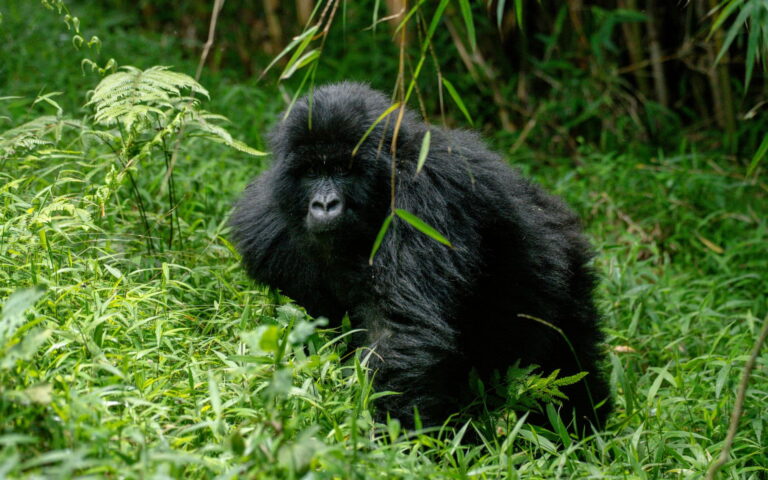
The standard cost: As of the current planning period (and projecting for 2026), a single Rwandan Gorilla Trekking Permit costs $ 1500 USD per person. This price is non-negotiable and provides access to one single, monitored hour with a habituated gorilla family within the Volcanoes National Park. This price is significantly higher than the neighbouring Uganda’s $ 800 permit, reflecting Rwanda’s strategic decision to position itself as a luxury, high-value safari destination.
What the permit buys: The $ 1500 fee is far more than just an entry ticket. It is a direct investment in the survival of the species. A substantial portion of this money is channelled directly into conservation funding, supporting anti-poaching patrols, veterinary care, and gorilla monitoring teams. Importantly a part of the revenue (currently 10%) is returned to local communities surrounding the park in the form of infrastructure projects, schools, and clinics.
Exclusivity and Supply: Only a limited number of the permits are issued each day (usually 96, based on 12 families to be visited by 8 people each). This ensures that the gorillas are not stressed by the human interaction and the rainforest environment is not degraded tourism. The high price demand an exclusive, intimate encounter.
2.Mandatory Logistics: Transport, Guides and accommodation.
The permit is only the start. Since Volcanoes National Park is located in the northwest corner of Rwanda, several other costs are essential for the safari to happen.
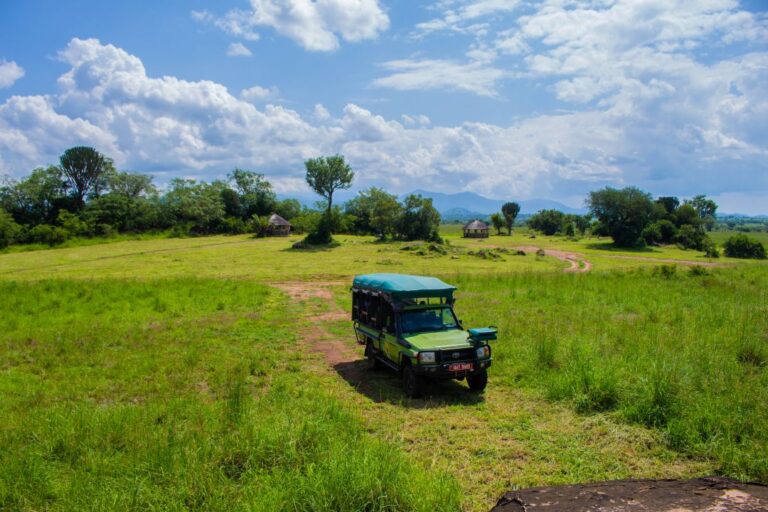
Transport Efficiency: Unlike Uganda, the road network in Rwanda is excellent. The journey from Kigali International Airport (KGL) to Volcanoes National Park is roughly three hours on the paved roads. Transport is usually provided by a private 4×4 vehicle and a driver-guide, costing approximately $250 to $400 USD per day depending on the vehicle type and then operator like WildApes Safaris. The efficiently of the transport is one reason to why Rwanda is popular; you can arrive in Kigali and be at your lodge in time for dinner, ready for the next day’s trek.
Accommodation: Accommodation costs are highly variable and contribute significantly to the total price. Rwanda’s mainly offer the high-end tourism means luxury options are abundant.
Luxury Lodges: ($1500 to $3500+per night)-examples include staying Singita or One and Only, offering all-inclusive, personalized service near the park boundary.
Mid-range Lodges: ($350 to $800 USD per night)-these offer comfortable, well-located cottages and then full board service, providing the best experience.
Budget Accommodation: ($150 to $300 per night)-simple guesthouses providing clean, essential services.
A 3-day gorilla safari requires two to three nights of accommodation, meaning the accommodation cost can quickly the permit fee if luxury is chosen.
3. Essential on the day costs and gratuities.
Two smaller costs are considered mandatory for safety and ethical reasons and should be factored into the budget:
Porter Hire ($10 to $20 USD): Hiring a local porter is strongly recommended. They carry your pack day, camera gear, and water but most importantly, they assist you on the incredibly steep and slippery trails. This small fee provides crucial employment and then income for community members, making it an ethical necessity.
Tipping and Gratuities: Tipping is customary and expected for the park staff and trackers who spend the day finding the gorilla family. Budgeting approximately $20 to $30 USD per person for the park trackers and head guide is standard in addition to tips for your driver guide.
4.Optional Add-ons: expanding the Rwandan Experience.
To fully justify the travel and then high permit cost, most travellers add complementary adventure safari activities in Rwanda.
Golden monkey tracking permit: This is located in the same park; this safari activity offers a vibrant contrast to the gorilla trek and then it costs $100 USD per person. It is less tiresome and provides an opportunity to see Rwanda’s other endemic primate.
Volcano Hikes and Dian Fossey Trek: Permits for trekking to Dian Fossey’s grave or climbing Bisoke are typically around $75 to $100 USD, offering physical challenge and historical depth.
Total cost summary: when budgeting for a Rwanda gorilla safari, a traveller must consider the $1500 permit fee as the baseline. A typical 3-day mid-range safari, inclusive of the permit, accommodation and private transport, generally falls between $4500 and 6500 USD per person, excluding international flights. This guarantees an exclusive safari experience, world class conservation support and then direct community benefit, faming its status as one of the world’s best, but yet costly, ethical wildlife encounters.
Best time to do gorilla trekking in Rwanda.
Peak dry seasons: the best time for gorilla trekking safari in Rwanda is during the long dry season from June to September and the shorter dry sell from mid-December to February. During these months, rainfall is less, which keeps the steep volcanic trails significantly less muddy and therefore easier to move. During the season there can be clearer skies also offer excellent photographic opportunities greatly increasing the overall trekking experience into Volcanoes National Park.
Wet season: Although the wet seasons (march to May and October to November) come with the heavier rain and mud, they should not be avoided entirely. The rain makes the vegetation lush and green and the gorillas often stay at lower altitudes, potentially shortening the trek time. Permits may also be slightly easier to book during these months, offering a worthwhile trade-off for the budget-conscious or last-minute travellers looking for the same incredible safari experience.