
How Much Are Park Fees in Kenya National Parks?
One of the most practical questions any Kenya safari traveler asks during the planning process is also one of the most important how much do the national park entry fees actually cost, and how significantly do they affect the overall safari budget? Kenya’s park fee structure ranks as a major factor financially when planning any East African safari. Coming to grips with it thoroughly prior to setting a budget will avert unforeseen additions that may disproportionately impact what has been a well-thought-out trip from a financial point of view.
This guide provides a clear, honest, and comprehensive breakdown of Kenya’s national park and reserve fee structure covering entry fees, vehicle charges, camping fees, and the practical differences between Kenya Wildlife Service managed parks and the county-managed reserves that operate under separate fee structures.
Who Manages Kenya’s Parks and Sets the Fees?
Kenya’s protected areas are managed by two distinct types of authority whose fee structures differ considerably from one another and understanding which authority manages which destination is the essential first step in accurate park fee budgeting.
Kenya Wildlife Service (KWS) is the national body responsible for the management of all national parks and national reserves in Kenya. They operate under a single centralized government authority and thus implement uniform entry fees that are applicable throughout their entire collection of protected areas. Some of the KWS-managed parks include Amboseli, Tsavo East, Tsavo West, Lake Nakuru Aberdare Mount Kenya Meru Nairobi as well as several other parks scattered across the country.
County governments manage certain high-profile reserves most significantly the Masai Mara National Reserve under their own independent fee structures that differ from KWS rates and are subject to independent revision by the relevant county authority. The Masai Mara is managed by the Narok County Government, and its fees are set and collected independently of the KWS system.
Private conservancies including the network of community conservancies surrounding the Masai Mara and the private conservancies of the Laikipia Plateau operate under their own fee structures that are incorporated into the all-inclusive rates of the lodges and camps operating within their boundaries rather than charged separately at a gate.
Kenya Wildlife Service Park Entry Fees.
KWS charges park entry fees on a per-person per-day basis, with rates differentiated between non-resident adults, non-resident children, East African residents, and East African citizens. The non-resident adult rate applies to the majority of international safari travelers and is the most relevant figure for trip planning purposes.
Amboseli National Park charges non-resident adults USD 90 per person per day the highest single-park entry fee in the KWS system, reflecting Amboseli’s status as one of Kenya’s most visited and most internationally celebrated wildlife destinations. The combination of elephant herds, Kilimanjaro views, and consistent Big Five wildlife makes Amboseli one of the most productive parks in Kenya despite its relatively compact size, and the premium entry fee reflects both the quality of the wildlife experience and the conservation costs associated with managing one of the country’s most intensively visited ecosystems.
Tsavo East National Park and Tsavo West National Park together forming the largest protected area complex in Kenya each charge non-resident adults USD 80 per person per day, representing excellent value relative to the landscape scale, wildlife diversity, and genuine wilderness atmosphere these two parks deliver across their combined area of over 20,000 square kilometers.
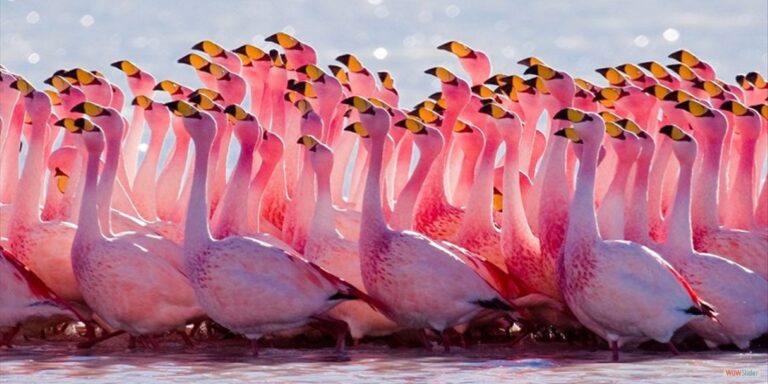
Lake Nakuru National Park charges non-resident adults USD 90 per person per day a rate that reflects the park’s exceptional wildlife density, its critically important rhinoceros sanctuary status, and the flamingo spectacle that makes it one of the most visually distinctive and most photographed national parks in East Africa.
Aberdare National Park charges non-resident adults USD 70 per person per day for access to the Salient sector and the park’s tree lodge accommodation zone a rate that provides access to one of Kenya’s most distinctive and most historically significant highland wildlife destinations alongside the famous nocturnal waterhole viewing experience of The Ark and Treetops.
Mount Kenya National Park charges non-resident adults USD 70 per person per day for trekking and wildlife activities on the mountain’s lower slopes, with additional fees applicable for summit trekking permits and rescue levy charges that bring the total daily cost for active trekkers to approximately USD 72 per person per day inclusive of all applicable levies.
Meru National Park charges non-resident adults USD 70 per person per day a rate that represents outstanding value relative to the wildlife quality, historical significance, and genuine remoteness of one of Kenya’s most rewarding and most under visited safari destinations.
Nairobi National Park charges non-resident adults USD 80 per person per day the most affordable entry fee of any major KWS park and one that makes Kenya’s most extraordinarily positioned urban wildlife sanctuary accessible to travelers across a wide range of safari budgets.
Hell’s Gate National Park charges non-resident adults USD 50 per person per day the lowest entry fee of any significant KWS park and one that reflects the park’s primary appeal as a walking and cycling destination rather than a vehicle-based game drive environment, making it the most budget-friendly significant wildlife experience available within easy reach of Nairobi.
Masai Mara National Reserve Fees
Masai Mara National Reserve managed by the Narok County Government independently of the KWS system operates under a fee structure that is both higher than most KWS parks and more complex in its daily calculation methodology.
Non-resident adults are charged USD 200 per person per day during the peak season from July through October the period of the Great Migration River crossings that draws the highest visitor volumes and the most internationally celebrated wildlife events of the annual safari calendar. This peak season rate is among the highest daily park entry fees of any African safari destination and reflects the extraordinary wildlife productivity, the global demand, and the conservation costs associated with managing the Mara during its most intensively visited months.
During the low season from April through June and November, the Masai Mara entry fee for non-resident adults reduces to USD 100 per person per day a rate that represents significantly better value for travelers with flexibility to visit outside the peak Migration window and who are prepared to accept slightly less predictable wildlife concentrations in exchange for considerably lower overall safari costs.
The shoulder season months of January through March and November carry an intermediate fee of USD 150 per person per day for non-resident adults a rate that balances the reasonable wildlife productivity of these periods with a cost position between the peak and low season extremes.
Vehicle fees in the Masai Mara are charged separately from person entry fees at a rate of USD 30 per vehicle per day an additional cost that applies to all safari vehicles regardless of passenger numbers and is typically absorbed into the overall vehicle hire cost rather than itemized separately in client invoices.
Private Conservancy Fees
The network of private conservancies surrounding the Masai Mara including Ol Kinyei, Mara North, Naboisho, Olare Motorogi, and Lemek among others charge conservancy fees that are typically incorporated into the all-inclusive daily rates of the lodges and camps operating within their boundaries rather than levied separately at a gate.
These conservancy fees which typically range from USD 100 to USD 150 per person per day when itemized separately cover the conservation management, anti-poaching operations, community development programs, and wildlife monitoring activities conducted within the conservancy and form an essential component of the community-based conservation model that has made the Mara conservancy network one of the most successful and most widely studied examples of wildlife-compatible land use in Africa.
For travelers staying in conservancy camps whose all-inclusive rates incorporate both the conservancy fee and the Masai Mara national reserve entry fee where applicable the total daily conservation contribution embedded in the accommodation cost is considerable but fully justified by the exclusivity, wildlife quality, and conservation impact that conservancy-based safari experiences deliver.
Camping Fees Within KWS Parks
Travelers choosing to camp within KWS national parks pay camping fees in addition to the standard entry charges. Public campsite fees are charged at USD 30 per person per night for non-resident adults across most KWS parks. Special campsites exclusive-use sites in remote and highly productive wildlife areas carry fees of USD 55 per person per night in most parks, reflecting the exclusivity and ecological positioning that distinguishes them from the standard public campsite network.
Vehicle Fees in KWS Parks
KWS charges a vehicle registration fee of USD 30 per vehicle per entry into its national parks. This is a one-time charge for the duration of the visit, and in most cases, this fee is included in the overall vehicle hire cost and handled by the safari operator on the client’s behalf without the need for separate payment at the park gate.
Practical budgeting for Kenya Park fees.
Realistic Budgeting for Kenya Park Fee For people planning their Kenya safari budget, park fees are a major and fixed cost part which they must be not only calculated accurately at the very beginning but also planned well in order to avoid estimated broadly and then reconciled after deposit payment.
A four-night Masai Mara safari during peak season generates park entry fees of USD 800 per person before accommodation, guiding, vehicle hire, or any other costs are considered. Adding two nights in Amboseli at 90 USD per day amounts a combined park fee contribution to 980 USD per person for a six-night itinerary covering only two destinations. Knowing these figures well in advance of committing to an itinerary enables the travelers to make informed decision on the selection of destination, duration of visit and season of the visit that align the park fee burden with the overall safari budget in such a way that the final bill is accurate and without surprises.
Park fees in Kenya are subject to periodic review and revision by both KWS and the Narok County Government, and the figures provided in this article reflect the fee schedule applicable at the time of writing. Travelers are strongly advised to confirm current fee levels with their safari operator during the planning process particularly for the Masai Mara, whose county-managed fee structure has been revised more frequently in recent years than the more stable KWS tariff schedule.
Conclusion; Kenya’s national park fees are among the highest in Africa a reflection of the extraordinary wildlife quality, the global demand, and the genuine conservation costs associated with protecting some of the continent’s most celebrated and most ecologically significant landscapes. For the traveler who understands what those fees fund the rangers, the anti-poaching operations, the community programs, and the wildlife monitoring that together sustain the lion prides and elephant herds and flamingo spectacles that make Kenya one of the world’s great safari destinations they represent not merely an expense but a meaningful and entirely worthwhile investment in the continued existence of something irreplaceable. Contact us for bookings.