
How many gorilla families are in Uganda.
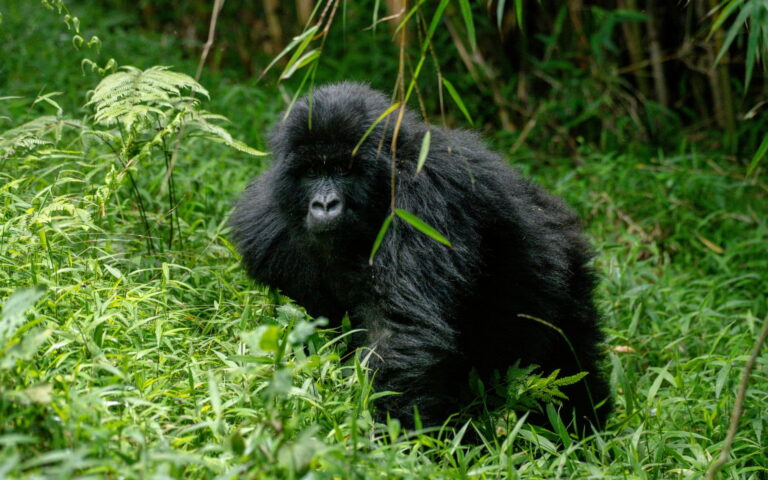
Uganda is an outstanding safari destination that is a meaningful importance in the global effort to save the critically endangered Mountain gorillas. Uganda is a home to approximately half of the world’s entire mountain gorilla population, Uganda is arguably the most essential sanctuary for this wonderful species. The health and then the growth of this population are managed and then monitored by tracking specific social groups known as gorilla families or groups. While the total number of families in the wild fluctuates, the critical number for tourism, purposes is the number of families that have undergone habituation, the long proves of becoming accustomed to the human presence without altering their natural habitat.
As of late 2025, Uganda monitors over 50 gorilla groups across its two parks, with 23 families habituated and available for tourist trekking. This distinction between wild families and then habituated families is crucial for understanding the conservation structure and then tourism logistics in the country.
Habituated families: the foundation of conservation tourism.
The term ‘’gorilla family’’ for tourism refers to a group that has successfully completed the habituation process. These are the groups that generate the income necessary to protect the entire population.
Uganda Wildlife Authority (UWA) count.
Uganda Wildlife Authority (UWA) is the government body responsible for wildlife management; it has successfully habituated 23 mountain gorilla families available for the standard one-hour tourist encounter. These groups are spread across the two national parks that serve as the gorillas ‘habitat. Each group is visited by the maximum of eight tourists per day a non-negotiable rule is designed to reduce stress and then prevent the transmission of the human diseases. This strict limit means that Uganda releases a total of 184 trekking permits per day (23 families x8 permits), making the safari experience highly exclusive and necessitating advance booking.
The role of the permit fee.
The high cost of the gorilla trekking permit (800 USD) is directly tied to the small number of the habituated families. This fee funds the salaries of the rangers, trackers and veterinarians who spend every day monitoring the gorilla health, tracking their movements, and actively protecting them from the poachers and then habitat encroachment. The stability of the habituated families is what allows Uganda to maintain its status as the world’s leading gorilla trekking safari destination by combing economic incentive with conservation success.
Distribution across the parks: Bwindi impenetrable forest national park vs Mgahinga gorilla national park.
The 23 habituated families are distributed mainly across the four sectors of Bwindi impenetrable national park, with a small number residing in Mgahinga gorilla national park.
Bwindi impenetrable national park (approx. 23 families).
Bwindi, which has the vast majority of the Uganda’s gorilla population has the most habituated groups. The families are distributed geographically across the park’s four main trekking sectors.
Rushaga sector (south) this is the largest sector in terms of habituated groups and often has the highest permit availability. It also has the families dedicated to the Gorilla Habituation Experience (GHEX) where the tourists spend four hours with the gorillas.
Buhoma sector (North) this is the oldest sector, known for its relative ease of trekking and then accessibility, it has a significant number of the gorilla families that are usually the most sought after the quickest to sell out.
Ruhija sector (East) this is known for its high-altitude, moss terrain, this sector also mages several habituated groups.
Nkuringo sector (southwest) this known for the challenging, steep treks this sector also managed several groups including some of the dedicated to the extended GHEX.
This widespread distribution across four distinct trailheads means that the trekking safari experience, the duration, difficulty and then surrounding habitat varies significantly depending on which sector and then family you are assigned to.
Mgahinga Gorilla National Park (1 to 2 families).
Mgahinga gorilla national park which is part of the larger Virunga Mountain chain, is much smaller and then typically hosts only one or two fully habituated families at any given time.
Nyakagezi family; this is the most famous group in Mgahinga. Historically this family was known to the transient, that is often crossing the border into Rwanda or DRC, making permits difficult to book in advance. However, in the recent years, the family has become highly resident in the park, making trekking here a reliable option.
The Bushaho family; Mgahinga also occasionally hosts a second group which may or may not be available for trekking on its location and then behaviour.
Mgahinga offers the unique safari opportunity to combine your gorilla trek with trekking to see the endangered Golen monkeys but the travellers choosing this national park must be comfortable with the high altitude and then the possibility of the fewer group choices than in Bwindi.
Beyond tourism; the wild and habituation groups.
While the 23 habituated families are the focus of tourism, it is essential to remember the broader context of the entire population.
The uncounted wild families.
The total number of the mountain gorilla families in Uganda is closer to 50 or more. These additional groups are wild (unhabituated) and are strictly protected from human interference. They live in the deeper, inaccessible parts of the forest and are crucial for maintain the genetic health and then wild population density of the species. They are monitored by research teams but are not available for tourism.
The Habituation Experience Families.
Uganda also has a small number of the families to the Habituation Experience (GHEX). These are groups in process of becoming fully habituated. Tourists who purchase the 1500 USD Permit spend four hours with these groups, essentially, assisting the research teams in making the gorillas comfortable with a controlled human presence. These GHEX groups are examples of the next generation of fully habituated families that will be added to the official trekking count, demonstrating Uganda’s commitment to expanding its conservation tourism capacity.
In conclusion, Uganda’s gorilla families are defined by its careful management of its gorilla population. The 23 fully habituated families available for trekking ensure a stable, high-revenue conservation model, while the larger population of wild groups ensures the species, long-term genetic viability. Every permit purchased directly supports this network, securing the future of the world’s largest mountain gorilla population.