


Essential documentation requirements for gorilla trekking in Uganda.
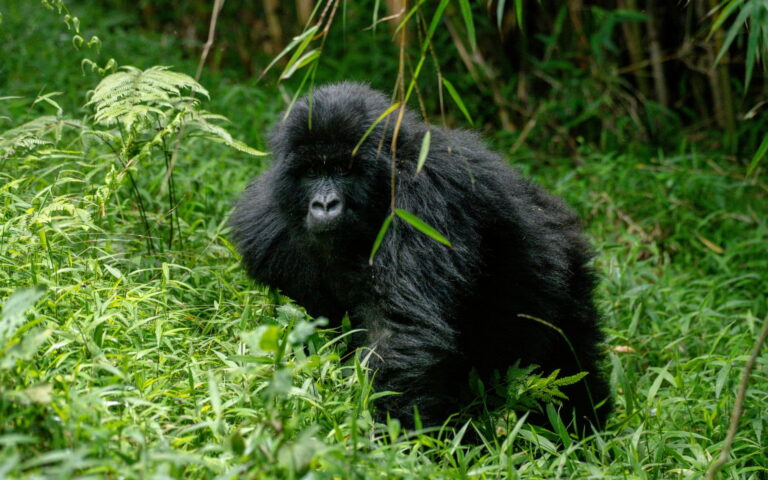
Gorilla trekking safari in Uganda is an unbelievable wildlife experience of the planet, where you get to see the royalty of the animal kingdom, that is the Mountain Gorillas, living in the wild and naturally within the main forest of Bwindi Impenetrable or Mgahinga Gorilla National Park. While the venture is located on the wilderness, some prep works are necessary to be done, and they mainly concern the essential papers. Having the right papers is not only a formality; they are your real passes to the gorilla habitat and a surety that your whole journey will be flawless and without any worries.
The Cornerstone: Your Gorilla Trekking Permit
The one and only necessary documentation that goes side by side with gorilla trekking is the Gorilla Trekking Permit. It goes without saying that this is the thing that will give you access to the parks and the forest where you will have your close-up with the gorillas. It is a must authorization carried out solely by the Uganda Wildlife Authority (UWA).
What the Permit Does.
This document is actually your entry and observing pass, for one given date and time, to the wilderness where it allows you to spend one hour with a habituated gorilla family. Most of the money that comes from issuing the paper will be used for the protection of the Mountain Gorillas and the conservation of their natural forest parks. Additionally, this permit is very important in addressing the issue of visitor numbers, as only a limited number of permits (usually 8 per gorilla family per day) are allowed to preserve the tranquility of the gorillas.
How to Secure Your Permit.
Due to the limited daily permits, they are always in great demand, more so during the dry seasons that are the peak (June to September and December to February). To be sure of a permit, it’s advisable that one reserves it at least from 3 to 6 months ahead and this can be even longer during the peak season. The majority of foreign tourists arrange their permits through a local Ugandan tour operator who takes care of everything. Upon making the reservation, you will be asked to provide the correct details of your passport since a permit will be issued in your name and it should be identical to your ID on the day of the trek. Having a copy of the confirmed permit both in print and online is something you should always keep with you.
Valid Travel Documents: Passport and Visa.
In addition to the permit, standard international travel documents are the must-haves if you want to enter Uganda or do verifications in the park. These papers are your tickets as well as the prerequisite for a legal stay in the country.
Your Valid Passport.
What is mandatory for any foreign visitor is a passport that will not expire within the next six months after the date of entry into Uganda. This is a generally accepted requirement for most countries and at the same time, it is a very important safety measure in case there are any unforeseeable delays in your travel. On top of that, there should be enough free pages in your passport for the entry and exit stamps, and also for any visas that you may require. On the day of your gorilla trek, park officials will need to see your passport in order to confirm that the person holding the permit is indeed you and that you are at least 15 years of age, the minimum age allowed for trekking. Always have your passport with you, in particular, on the day of the trek.
Uganda Tourist Visa.
Most foreign travelers are required to get a visa before they can enter Uganda. The typical choice is a single-entry tourist visa board that usually costs $50 and allows 30 days stay. A couple of what you have to do is to apply for an electronic visa via the web before you depart, or obtain a Visa on Arrival at Entebbe International Airport or at some border land crossings.
If the plan you have in mind is to travel to East African States like Kenya, and Rwanda, then, get an East Africa Tourist Visa (currently about $100 USD) may be an option for you. This visa gives you a right of multiple entries for the member countries within 90 days, thus it is an excellent choice for Safari lovers to explore multi-countries. Please be sure to confirm the latest visa information based on your nationality well before your departure.
Health and Safety Requirements.
How Human Travelers and Mountain Gorillas are Protected: To achieve this, certain required health documents are enforced for entry into Uganda.
Yellow Fever Vaccination Certificate.
An International Certificate of Vaccination or Prophylaxis (ICVP) against Yellow Fever is a prerequisite for entering Uganda for those travelers coming from a country with a risk of Yellow Fever or have been through such a country. The requirement of this immunization is always included in visa application procedures. You will be requested to provide the original certificate to the immigration officials upon your arrival in Uganda.
Health Screening and Declaration.
Though it is not a preparatory “paper,” the health screening is a must for you when you come to the venue of the trekking and the very morning of your trek. Mountain Gorillas are very vulnerable to human diseases, even a simple cold. Suppose you are ill (like bad cough, flu, or continuous sneezing) on the day of your visit, then for the safety of the gorillas, the rangers may decide to cancel your trip to the gorilla forest. This is an absolutely non-negotiable regulation. Consequently, it will not harm you to have comprehensive Travel Insurance that covers the cost of trip cancellation and any medical emergencies, just in case you cannot go due to sickness or some other unexpected event.
Summary of Key Documents.
The essential documentation checklist of your life can be summed up as follows:
Original Gorilla Trekking Permit: The official authorization for your trek.
Valid Passport: With a validity of six months after the date of entry, it has to be shown at the park gate.
Uganda Visa (or East Africa Tourist Visa): Obtained either beforehand via an e-visa or on arrival.
Original Yellow Fever Vaccination Certificate: Absolutely necessary for a safe entry into Uganda.
Travel Insurance Details: Even though you may not be inspected, it is very important that you have the details of your insurance policy along with emergency contact numbers for personal safety purposes.
In conclusion If you handle these documents with all seriousness, then nothing will distract you from the extraordinary and once-in-a-lifetime encounter with the Mountain Gorillas.