Queen Elizabeth National Park.
One of the top national parks in Uganda, the Pearl of Africa, is Queen Elizabeth National Park. Uganda Wildlife Authority has managed Queen Elizabeth Park since 1952. It is a stunning savannah park. The park is located next to Kasese town with a total area of 1,978km2 in the south western part of Uganda where the boundaries run along Kasese district in the North, Rubirizi district in the south, Kamwenge district and Rukungiri district. There is an incredible variety of animals and plants within the park that make its ecosystem even more beautiful. Queen Elizabeth Park’s flora the best by far consist of both savannah grassland and savanna forests. Among its tropical rain forests, bamboo forests, acacia trees, and papyrus swamps, all are excellent places for different animal species to breed.
Attractions in Queen Elizabeth National Park.
Mammals in Queen Elizabeth National Park.
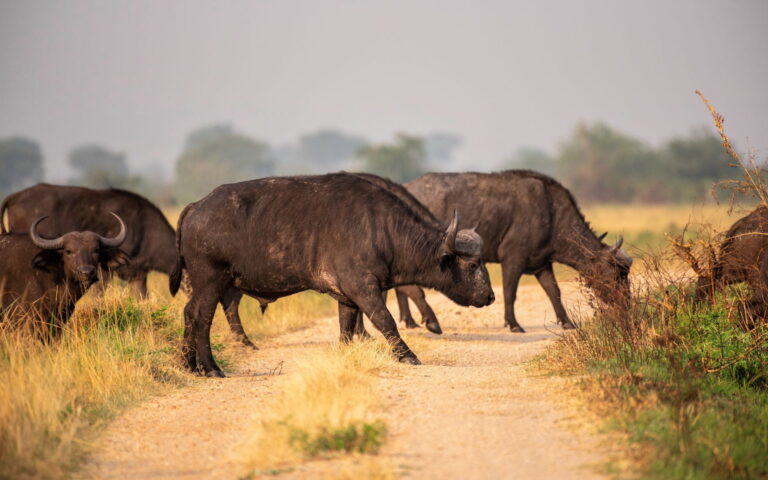
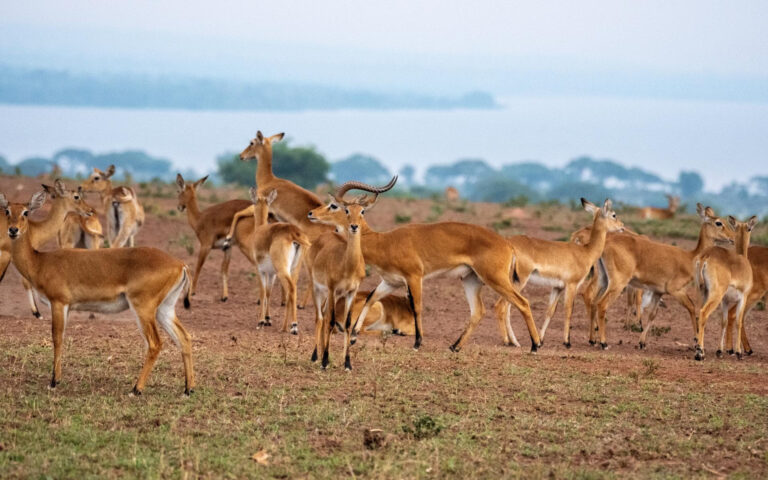
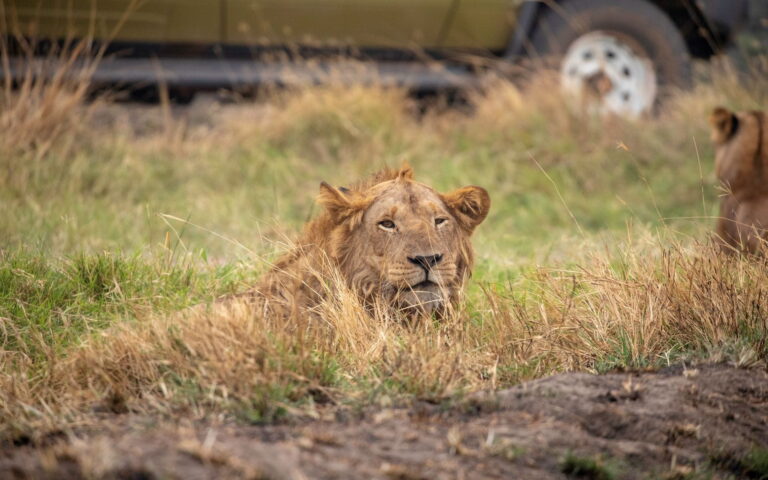
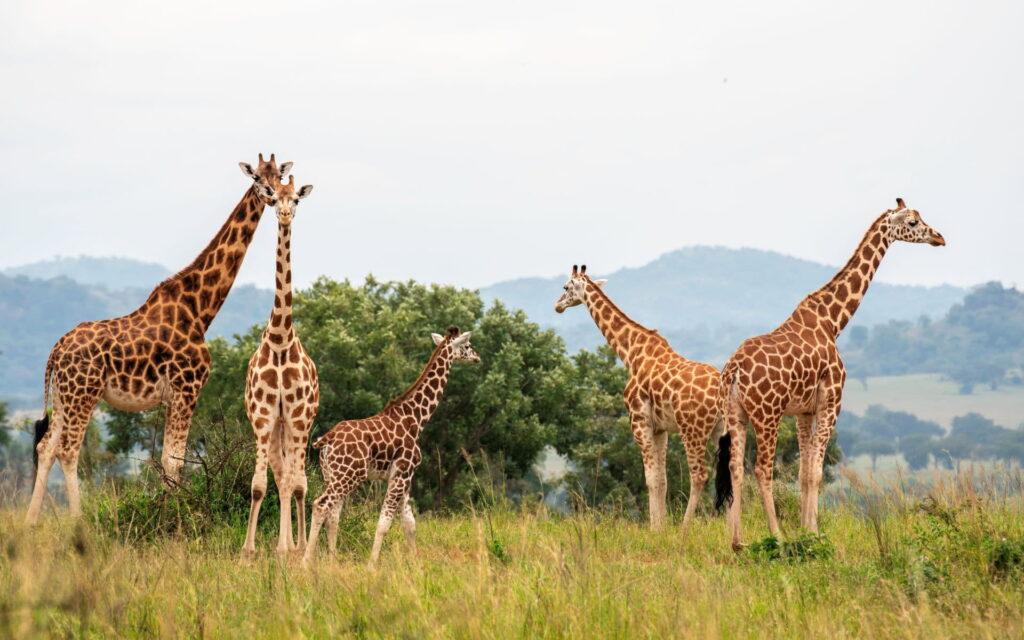
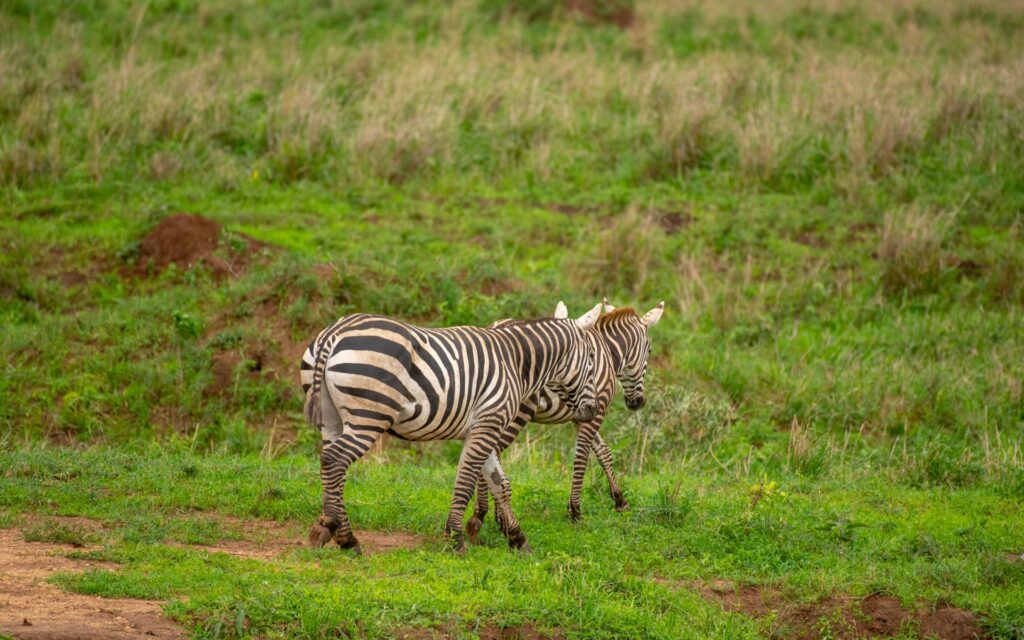
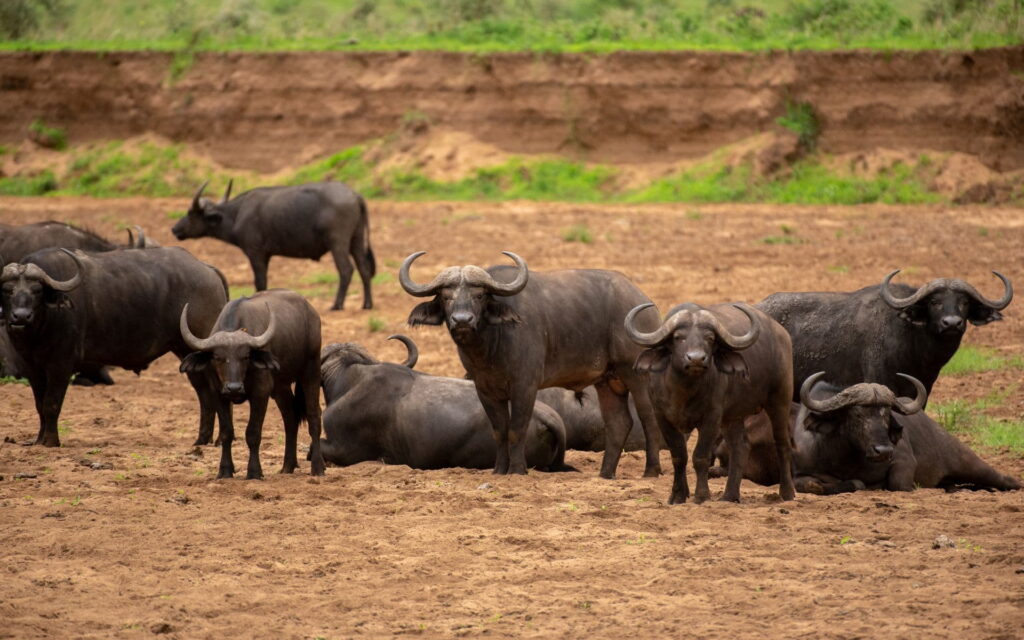
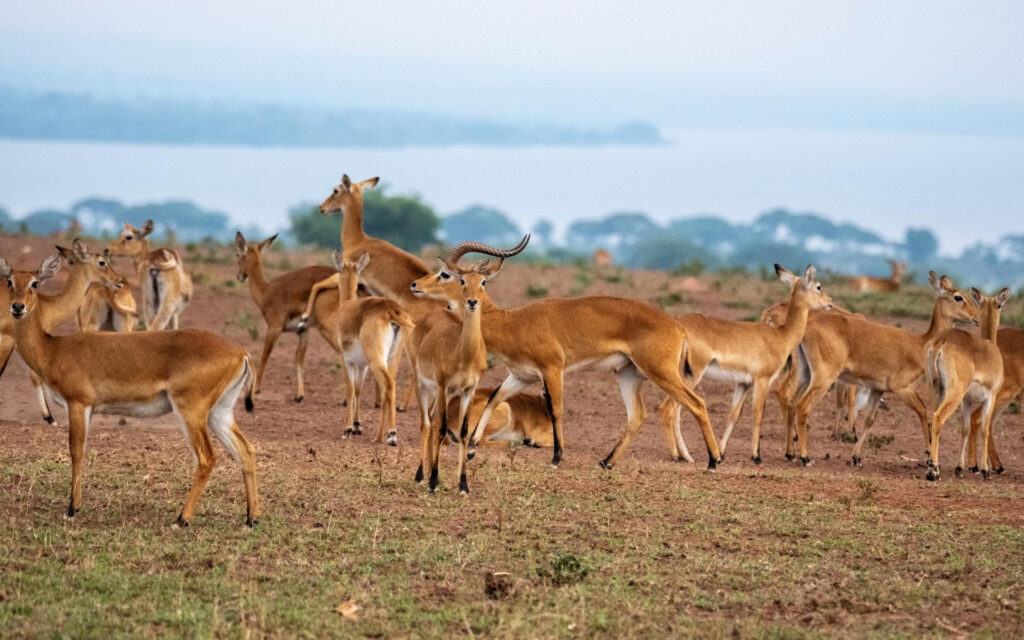
The main attractions to see in Queen Elizabeth National Park are the mammals. There are more than 95 different kinds of mammals in various parts of the park including over 2500 African elephants, 5000 hippos, over 10,000 buffaloes, and many others such as lions, Uganda Kobs, leopards, etc. Going on a game drive to various areas of the park in Queen Elizabeth National Park is the best option to see different kinds of mammals. For example, a game drive in Kasenyi plains of Queen Elizabeth Park provides an opportunity to see a large number of mammals as they graze in the savanna grassland such as Elephants, antelopes, Uganda Kobs, and a good number of carnivores such as lions while a game drive in Ishasha sector offer the visitor the view of the tree lions sleeping and overlooking the grazing Uganda Kob. Further mammals can be observed during the boat cruise along Kazinga channel where an immense number of hippos is found and other mammals that visit the Kazinga channel in search of water during the afternoon hours like elephants, buffaloes and among others plus sighting various bird species.
Birds in Queen Elizabeth National Park.
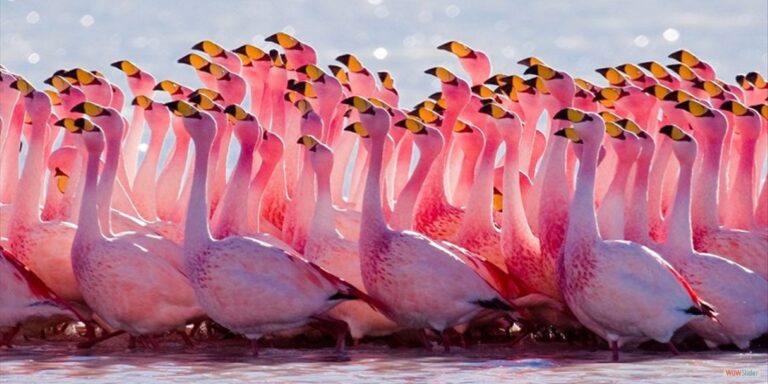
Queen Elizabeth National Park is home to a wide variety of bird species numbering over 600 of Forest birds, Raptor birds, Water birds, and species that are endemic to the Albertine Rift which is one of the key attractions of the park for the bird watchers who are quite a number. The whole of Queen Elizabeth National park is designated as the Important Birding Area which means the best birding spots here are those in the Ishasha sector, the Kasenyi plains, Maramagambo forest, along Kazinga channel, in Kyambura gorge and the main birds that are commonly seen here are; warblers, Papyrus canary, Yellow throated Cuckoo, African Skimmer, White-winged Warbler, Verreaux’s Eagle Owl, Shoebill, Papyrus Gonolek, Martial Eagle and many more.
Things to do in Queen Elizabeth National Park.
Kazinga Boat Cruise.
If you go for a Kazinga Boat Cruise or Launch cruise, you can watch most of the game animals in Queen Elizabeth National Park at a single moment. A boat ride along the 40-km-long Kazinga Channel is a wonderful method to getting to know the African animals like the elephants, cape buffaloes, hippos, crocodiles, and a variety of birds. The boat cruise is done twice daily (three times when there is a high pick season).
Game Drives.
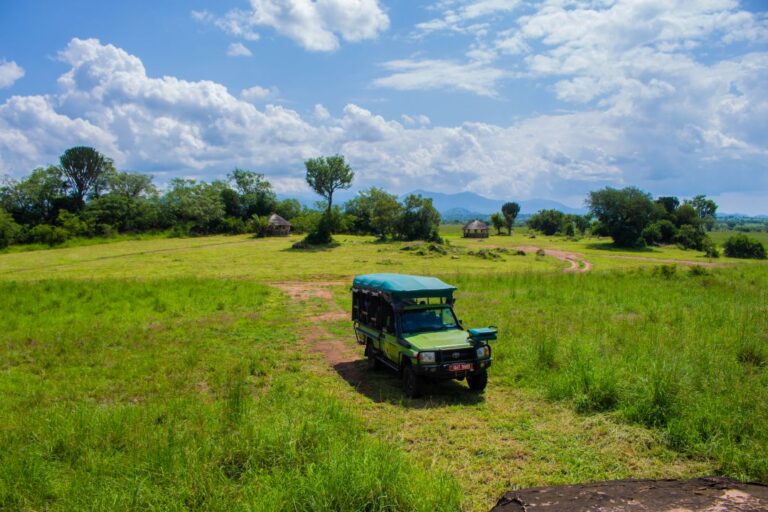
Apart from that, you can go for the fantastic game drives when you visit Queen Elizabeth National Park. The ideal time to go on a game drive safari in Queen Elizabeth National Park is in the dry season which is from June to September and January to February. During the dry season the roads are dry and the vegetation is short making it easy to spot the animals. You will have an opportunity of watching the tree climbing lions in Ishasha and also do some lion track study in the Kasenyi plains. During the drive you can spot the huge herds of buffalos, the stunning Uganda Kobs, elephants, hippos (in the morning) and warthogs as well as the other animals. There are morning, afternoon and night game drives in Queen Elizabeth National Park.
Chimpanzee Trekking.
Another great activity on a safari in Queen Elizabeth national park is chimpanzee trekking in Kyambura Gorge. The large number of these funny primates that run around has given new names to Kyambura gorge like; valley of apes and valley of comedy among others. Kyambura Gorge is a lovely place. It is a rain forest belt cutting through a large open area of Savannah. In Kyambura Gorge, chimpanzees are mostly terrestrial and occasionally they also swing from tree to tree. They live basically in the Kyambura gorge because it is a rain forest and Kyambura River drains it making it a whole world.
Birding Watching.
Queen Elizabeth national park is a perfect safari destination for bird watching safari. There are over 600 species of birds in Queen Elizabeth National Park and some of them have earned the park an international recognition; The international birding association (IBA) has thus recognized Queen Elizabeth National Park. Because there are numerous areas for birds to inhabit, such as the Savannah forests, the forests like Maramagambo and Kalinzu that are near Queen Elizabeth National Park as well as the marshes, birds are able to adapt. On a Kazinga boat cruise, you can spot most of the birds including cormorants, kingfishers, fly catchers, African Jacana, Yellow bellied stork and the powerful African fish eagle. Among the bird species that can be found in the park include the Pied crow, wattled Lapwing, Black kite, Hamerkops, Yellow throated long claw, Marabou stock, Hadada Ibis, Black headed gonolek, Red eyed dove, Raptor, cattle egret, Ring necked dove and many others.
Lion Tracking.
Lion tracking are fascinating activities that are second to none in the list of compelling safari activities attracting the tourists. The heater collar is utilized to locate the lions in Kasenyi Plains It is an authentic research study conducted by the experts from the Uganda Carnivore Programme. (UCP). Lion tracking is the main activity to be done in Kasenyi plains, where you can get lots of information about African lions and have a closer look at the king of the jungle. In fact, lions may hunt a Kob, which might be the day’s meal. The lion tracking safari activity is limited to a handful of people to avoid the disruption of the natural balance of the wilderness, allow deeper learning of the lion habits, and, most of all, is to give you a wonderful lion tracking safari experience.
Best Time to Visit Queen Elizabeth National Park.
Queen Elizabeth National Park remains open through all season but the best time to spot animals is during January to February and June to July (the dry seasons). However, this beautiful park is most attractive during the wet season which is March to May and August to December.
How To Get to Queen Elizabeth National Park.
Just imagine, if you were to go on a safari to Uganda, you will be surprised that there are only two ways to Queen Park: the road or the air. It is about a 6-7 hours journey from Kampala, which is the capital of Uganda, to the park if you take the road. You can also reach there from Bwindi Impenetrable National Park, Kibale Forest National Park and several other national parks. Air travel includes a domestic and charter flight operation from Entebbe international airport or Kajjansi air to Mweya airstrip in Mweya peninsular.
Where To Stay In Queen Elizabeth National Park.
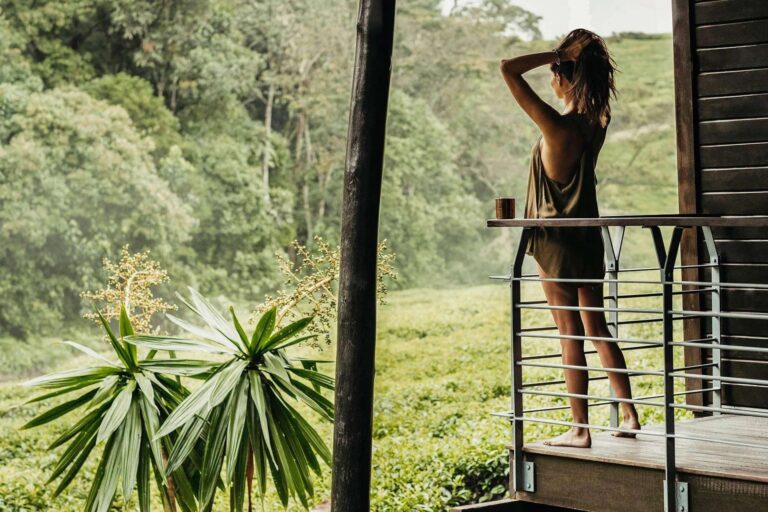
The park offers a wide range of accommodation options that include Budget, midrange and luxury with excellent amenities spread over different parts of the park. On a Queen Elizabeth safari, you can consider staying at Jacana safari lodge, Queen Elizabeth Safari Lodge, Park view hotel, Mweya safari lodge, Kyambura gorge lodge, Ishasha wilderness camp, Simba safari camp, or any other place.