

Can You See Lions Year Round in Kenya?
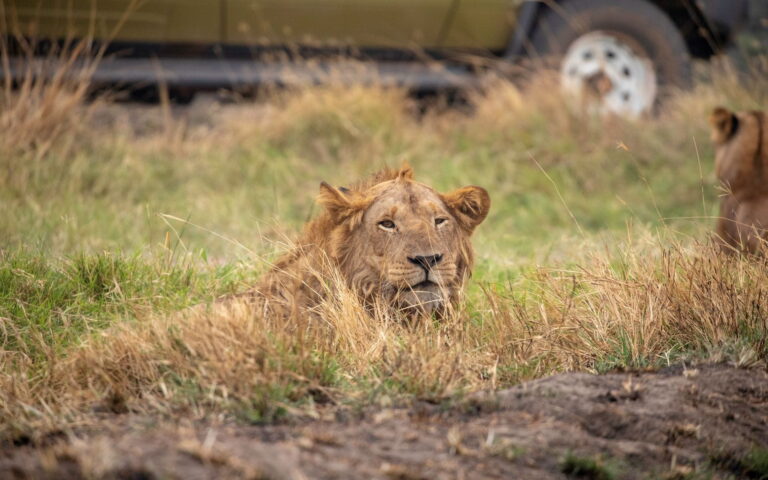
There is a question that sits at the heart of almost every Kenya safari planning conversation and for wildlife travelers whose main ambition is a genuine, close, and behaviorally rich lion encounter, it is perhaps the most important question of all. Can you see lions in Kenya throughout the year? The answer is one of the most reassuring in East African safari planning and it is an unqualified, honest, and entirely confident yes.
Kenya’s lion population distributed across the Masai Mara, Amboseli, Tsavo, Samburu, Laikipia, and numerous other protected landscapes is one of the most accessible and most consistently observable in Africa, and the combination of open savanna habitat, year-round resident prides, and the professional guiding infrastructure that Kenya’s tourism industry has developed over decades creates lion viewing conditions of outstanding reliability across every month of the calendar year.
Why Kenya’s Lions Are Visible Year Round.
The foundation of Kenya’s exceptional year-round lion viewing is the resident nature of its principal lion populations. Unlike the migratory wildebeest herds whose seasonal movements determine the timing of the Great Migration spectacle, Kenya’s lions do not migrate they maintain permanent territories across defined home ranges within their respective ecosystems, returning to the same valleys, the same acacia groves, and the same rocky kopjes across every season of the year with the territorial consistency that makes them reliably findable for guides who know their specific ranges intimately.
Masai Mara harbors one of the highest lion densities of any protected area in Africa large, well-studied prides whose open grassland territories create viewing conditions of outstanding visibility and behavioral accessibility throughout the year. The Mara’s famous prides including the celebrated Marsh Pride and the Rekero Pride whose individual members have been studied and documented by researchers for decades move across the reserve’s open terrain with a relaxed, unhurried confidence that delivers close-range encounters of extraordinary quality on the majority of game drives conducted in the Seronera and river corridor areas in any month of the year.
Amboseli National Park at the foot of Kilimanjaro supports reliable lion prides whose movements across the park’s open, short-grass ecosystem create viewing conditions of exceptional clarity and photographic quality, with the additional visual drama of Kilimanjaro’s snow-capped summit rising behind every encounter in a backdrop of such concentrated natural magnificence that the lion sighting and the mountain combine in a single image of unforgettable personal beauty.
Tsavo East and Tsavo West Kenya’s largest protected area complex harbor significant lion populations across their combined 20,000-plus square kilometers of savanna and thornbush, with the famous Tsavo maneless lions larger, darker, and behaviorally distinctive from their Mara counterparts creating lion encounter experiences of particular scientific interest and personal excitement for travelers whose lion knowledge extends beyond the visual experience to the ecological and behavioral characteristics that make each regional population genuinely distinctive.
Laikipia Plateau the mosaic of private ranches and community conservancies across central Kenya’s highlands supports lion populations of considerable size and accessibility whose encounters in the context of walking safaris and night game drives create the most intimate and most personally immersive lion viewing experiences available anywhere in Kenya, the on-foot proximity of a lion pride in the Laikipia highland landscape delivering a sensory intensity and personal immediacy that no vehicle-based encounter, however excellent, can fully replicate.
Which Months Deliver the Best Lion Sightings.
While lions are visible year round across Kenya’s principal safari destinations, certain seasonal conditions create lion viewing of consistently superior quality whose understanding allows travelers to time their visit for maximum encounter frequency and behavioral richness.
The dry seasons June through October and January through March concentrate wildlife most predictably around permanent water sources, reduce vegetation cover for improved visibility across the open savanna, and create the prey concentration conditions that stimulate increased lion hunting activity and territorial behavior. Early morning game drives during the dry season departing before sunrise to arrive at known pride locations in the first golden light of dawn deliver lion encounters of the most behaviorally rich and most photogenically magnificent kind, with the combination of cool temperature, directional morning light, and peak predator activity creating conditions that experienced Kenya guides consistently identify as the finest lion viewing hours of the entire safari day.
The wet season green months April, May, November bring lush vegetation that increases concealment and reduces visibility across the open grassland, making lion sightings marginally more dependent on guide skill and local knowledge than the dry season’s more open terrain allows. The lions are equally present, equally territorial, and equally huntable in the wet season but finding them requires the additional field craft and landscape reading that separates the finest Kenya guides from their less experienced counterparts, and the green season encounter, when it comes, carries a particular satisfaction of earned reward that the more easily achieved dry season sighting cannot quite replicate.
Conclusion; Kenya’s lions are visible year round in the Masai Mara, in Amboseli, across Tsavo, on the Laikipia Plateau, and in the private conservancies whose vehicle exclusivity and night drive access create lion encounter conditions of such outstanding personal quality that Kenya remains, across every month of the annual calendar, one of the finest and most reliably rewarding lion safari destinations in the world. Come in any season, travel with a skilled guide, depart before dawn, and the lions of Kenya will do the rest as they have been doing, with magnificent consistency and complete indifference to the calendar, since long before the first safari vehicle rolled across the savanna in their unhurried, golden, permanently captivating direction.
For more information about knowing the different Kenya safaris, and then the entire East African different safari destinations, do not hesitate to contact us or making a safari inquiry at WildApes Safaris, and our team of the safari experts will be more than available to take you through planning for you the wonderful safari itinerary of your choice to your best safari destinations and you will have unforgettable safari memories in your entire life.