
Can you do a luxury safari in Kenya.
When travelers ask if they can do a luxury safari in Kenya, the answer is a resounding ‘’yes’’ in fact, Kenya is the gold standard for high end wilderness experiences. In 2026, the definition of luxury has moved beyond just thread count and fine dining; it is now about exclusivity, private access to remote landscapes, and seamless logistics that allow you to glide through the bush without ever feeling like a ‘’tourist.’’
1.The strategy of Exclusivity: Private Conservancies.
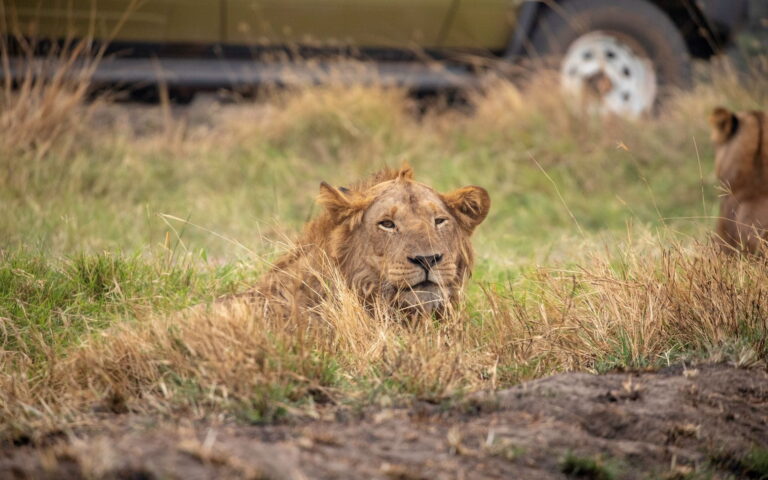
While the national parks are open to the public, the true luxury experience happens in Private Conservancies. These are massive tracts of land such as Mara North, Olare Motorogi, and Naboisho that border the main reserves. In these areas, the number of vehicles allowed at any single sighting is strictly limited, often to just three. This means when you find a leopard or a pride of lions, you have the moment almost entirely to yourself.
Beyond the lack of crowds, conservancies offer activities that are strictly forbidden in national parks. On a luxury safari, you can enjoy night game drives using infrared spotlights to find nocturnal predators or take part in the guided bush walks, where you track animals on foot with a Maasai naturalist. This level of intimacy with the land is the experience of a premium Kenyan journey.
2.Iconic Lodges and ‘’Star beds’’
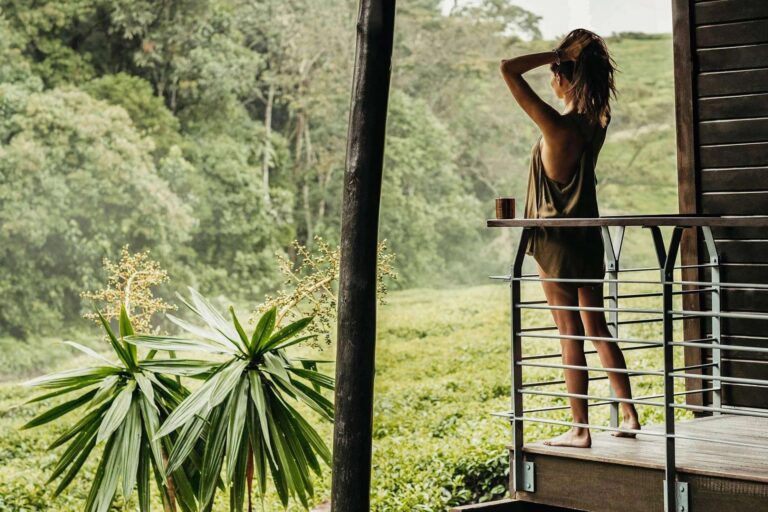
The accommodations in Kenya’s luxury circuits are among the most celebrated in the world. Modern luxury lodges are designed to blend into the environment while offering the comforts of a five-star hotel. Many have floor to ceiling glass walls, private plunge pools and 24-hour butler service.
Suspended luxury: Lodges like Angama Mara sit on the edge of the Great Rift Valley, offering views so expansive they feel like looking out of an airplane window.
Heritage charm: Cottar’s 1920’s camp provides a ‘’vintage’’ luxury experience, with white canvas tents, antique gramophones and a wood paneled safari vehicle that transports you back to the era of the early explorers.
The sleep out: A growing trend in 2026 is the ‘’Star Bed.’’ Many high end camps, particularly in Laikipia and Samburu offer a night spent on a raised wooden platform under the vast, unpolluted African sky, protected by a mosquito net and the distant sounds of the wild.
3. Fly-in Logistics: The gift of time.
The most expensive commodity on a safari is time. A standard safari often long, bumpy drives between parks that can take 6 to 8 hours. A luxury safari eliminates this by being a ‘’Fly in’’ experience.
Using a network of light aircraft and private airstrips you can fly from Nairobi to the Masai Mara in just 45 minutes. For the tourists looking for a total seclusion, private helicopter charters are the ultimate upgrade. A helicopter can take you to the peaks of Mount Kenya for a sunrise breakfast on the snow, or the ‘’Cradle of Mankind’’ at Lake Turkana in the remote north, all while returning you to your lodge in time for a sundowner cocktail.
4.Gournmet Bush Dining and Personalization.
The culinary side of a luxury safari is a feast of engineering. In the middle of the savannah, miles from the nearest town, you might be served a three-course dinner paired with fine wines.
Bush breakfast: After a morning game drive you might round a corner to find a fully set table under an Acacia tree, where a chef is preparing fresh omelettes over a campfire.
Sundowners: This is a sacred safari tradition. As the sun begins to set, your guide will find a scenic ridge and set up a mobile bar with a premium spirits and snacks, allowing you to toast the day as the sky turns purple and orange.
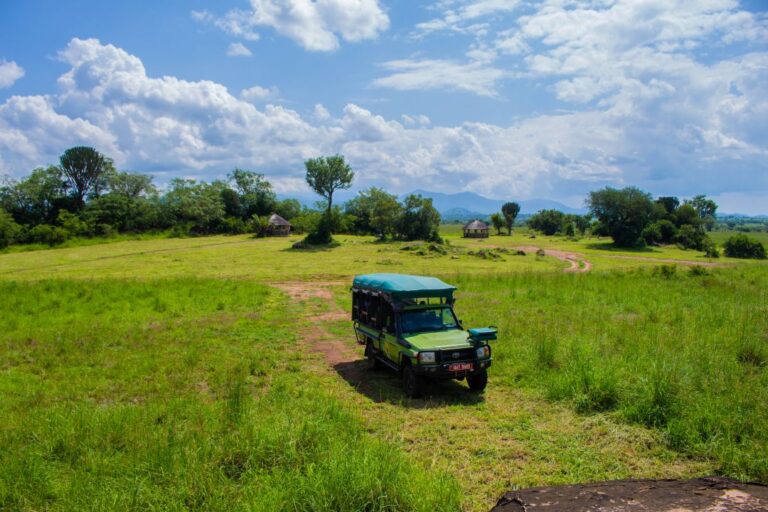
Private Guiding: On a luxury package, you are not sharing a vehicle with strangers. You have a private 4×4 Land Cruiser and a dedicated guide who tailors every drive to your specific interests whether that is professional photography, birdwatching or tracking the ‘’ Big Five.’’
Best time to do a luxury safari in Kenya.
The undisputed ‘’Peak Season’’ for a luxury safari in Kenya is during the long dry season from July to October. This is the most sought-after window because it coincides with the Great Wildebeest Migration in the Masai mara, where millions of animal’s brave crocodile infested rivers in a dramatic display of survival. During these months, the vegetation is sparse and water sources are limited, forcing wildlife to congregate around the permanent rivers and then waterholes, which makes spotting the ‘’Big Five’’ incredibly easy. For those who prefer a quieter, more intimate experience, the short dry season from January to February is a hidden attraction, it is the ‘’calving season,’’ where the plains are filled with the newborns and predators are exceptionally active. While the ‘’Green season’’ (April to June) brings rain, it is the best time for the birdwatchers and then the photographers who crave lush, emerald backdrops and the, lowest possible at elite camps.
Luxury packing: Essential Gear and ‘’Safari chic’’’
Packing for a luxury safari requires a ‘’less is more’’ philosophy, especially since many light aircraft transfers have a strict 15 kg weight limit and require soft sided duffel bags rather than hard suitcases. The golden rule for clothing is layering. Early morning game drives can be surprisingly chilly often requiring a warm fleece or light down jacket while midday temperatures can soar, necessitating breathable cotton or linen shirts.
The ultimate luxury checklist.
Colours: Stick to neutral earth tones like Khaki, olive and tan. Avoid bright whites (which get dusty), black or dark blue (which attract biting tsetse flies) and camouflage patters (which are reserved for the military and can be illegal).
Footwear: You do not need heavy hiking boots unless you are trekking, a pair of high-quality closed toe trail sneakers or Chelsea boots are perfect for the vehicle and camp.
Protection: High SPF sunscreen and a white brimmed hat are non-negotiable under the equatorial sun. Also, pack a high-quality insect repellent containing DEET for evenings.
Electronics: Bring a high-end camera with a 200 mm to 600mm zoom lens to capture the details of a leopard’s spots or a lion’s mane from a distance. Pair of 8×42 binoculars is also essential for scanning the horizon.
Sustainability: Kenya has a strict ban on single use plastic bags; use reusable fabric pouches or dry bags for your toiletries instead.