

UWA Announces Low Season Gorilla and Chimpanzee Permit Prices in Uganda.
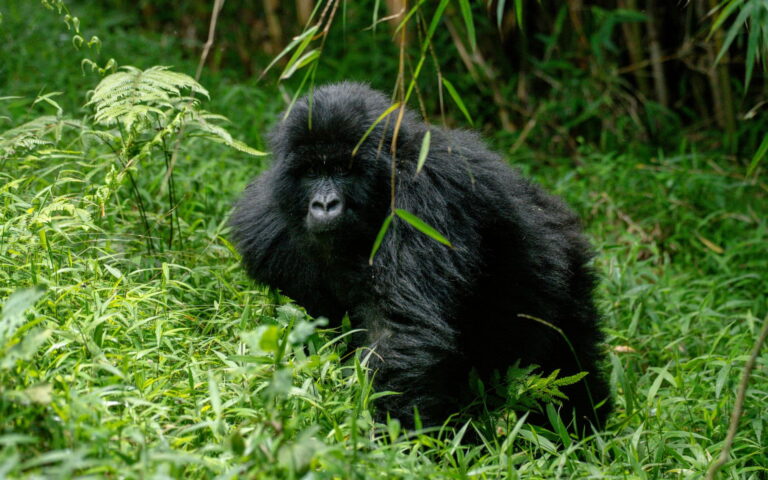
Uganda Wildlife Authority has delivered one of the most significant and most welcome announcements in Uganda’s safari tourism calendar a formal low season permit pricing structure that makes the country’s most extraordinary wildlife experiences more accessible than ever before. For the budget-conscious safari traveler who has always dreamed of sitting in the presence of a wild mountain gorilla or tracking chimpanzees through an ancient rainforest, the Uganda Wildlife Authority’s announcement of formal low season permit pricing represents a genuinely transformative development one that removes the single largest financial barrier to experiencing Uganda’s most celebrated and most personally significant wildlife encounters.
Uganda Wildlife Authority the government body responsible for the management, protection, and regulation of Uganda’s national parks and wildlife resources has confirmed official low season pricing for both gorilla trekking and chimpanzee tracking permits, applicable during the designated low season months of April, May, and November. The announcement formalizes a pricing structure that makes Uganda the most competitively priced gorilla trekking destination in the world during these months and one of the finest wildlife value propositions available anywhere in Africa throughout the calendar year.
New Low Season Gorilla Permit Prices.
The gorilla trekking permit is the single most important and most significant component of any Uganda safari itinerary and the low season pricing announced by the Uganda Wildlife Authority delivers savings of considerable magnitude for the traveler willing to plan their visit around the designated low season window.
During the low season months of April, May, and November, gorilla trekking permits in Uganda are priced at USD 600 per person for foreign non-residents a reduction of USD 200 from the standard peak season rate of USD 800. For foreign residents of East African countries, the low season permit price is USD 500 per person, representing a similarly meaningful reduction from the peak season resident rate.
The significance of these reductions is most clearly understood in the context of a couple or small group travelling together. For two people trekking together during the low season, the combined permit saving amounts to USD 400 a figure that, depending on the accommodation and transport choices made for the remainder of the itinerary, could represent an additional two nights at a comfortable mid-range lodge, a return charter flight between parks, or a meaningful reduction in the total safari budget that brings the entire experience within reach of travelers who might otherwise have concluded that a Uganda gorilla safari was beyond their financial means.
The standard peak season gorilla permit price of USD 800 per person for foreign non-residents applies during all months outside the designated low season from January, February, March, June, July, August, September, October, and December maintaining the premium pricing that reflects peak demand during the dry season months when trekking conditions are most reliable and visitor numbers are at their highest.
New Low Season Chimpanzee Permit Prices.
Uganda Wildlife Authority’s low season price extends beyond the celebrated gorilla trekking permit to encompass the chimpanzee tracking permit a development of considerable significance for the traveler planning a comprehensive primate safari that combines gorilla trekking in Bwindi with chimpanzee tracking in Kibale National Park or Budongo Forest.
The standard chimpanzee tracking permit in Uganda costs USD 300 per person for foreign non-residents during peak season. During the designated low season months of April, May, and November, the Uganda Wildlife Authority has confirmed a reduced low season chimpanzee tracking permit price of USD 200 per person for foreign non-residents a saving of USD 100 per person that, while more modest in absolute terms than the gorilla permit reduction, adds a further and welcome dimension of financial accessibility to the comprehensive Uganda primate safari.
Kibale National Park home to the highest density of primates in Africa and the largest studied chimpanzee population on the continent is the main safari destination for chimpanzee tracking in Uganda, and the low season permit reduction makes the Kibale experience even more compelling as a component of the broader Uganda safari itinerary. The Budongo Forest chimpanzee tracking programme, associated with the long-running Budongo Conservation Field Station whose research has produced some of the most important chimpanzee behavioural science of the past three decades, similarly benefits from the low season pricing reduction making this less visited but equally rewarding chimpanzee tracking destination more financially accessible to the budget-conscious traveler.
Why the Low Season Is Worth Considering Beyond the Price.
Uganda Wildlife Authority’s low season pricing announcement will naturally draw the greatest attention from budget-conscious travelers for whom the permit savings represent the most immediately compelling argument for low season travel. But the full case for visiting Uganda during the low season months of April, May, and November extends considerably beyond the financial argument alone.
The parks are quieter during the low season with visitor numbers reduced across all of Uganda’s national park destinations, creating a quality of solitude and intimate wildlife encounter that the peak season, with its higher visitor volumes, cannot consistently provide. Gorilla trekking groups during low season months are smaller and the overall atmosphere of the forest is more personal, more unhurried, and more genuinely immersive than the peak season experience.
The landscape of Uganda during and immediately after the rains is at its most visually extraordinary the savannah of Queen Elizabeth vivid and saturated green, the hills surrounding Bwindi impossibly lush, the birdlife of every park enriched by the arrival of Palearctic migrants and the breeding plumage displays that the rainy season stimulates. For the naturalist traveler and the wildlife photographer, the low season Uganda offers a visual richness that the dry season’s more muted palette cannot match.
Accommodation rates across Uganda’s lodge and camp landscape drop meaningfully during the low season months with many properties offering reductions of between twenty and forty percent on their peak season rates, creating further savings that compound the permit discounts to produce a total low season safari cost that can be thirty to fifty percent below the peak season equivalent for the same itinerary and the same accommodation choices.
How to Book Low Season Permits.
Low season gorilla trekking and chimpanzee tracking permits are available through the Uganda Wildlife Authority directly or through any registered Ugandan safari operator like WildApes Safaris holding a current Uganda Tourism Board license. Booking through a registered local operator is the recommended approach for most travelers providing access to the operator’s established relationships with accommodation providers, transport companies, and park management that translate into a smoother and more reliable safari experience than self-organized alternatives typically produce.
Uganda Wildlife Authority’s online permit booking system allows direct permit purchase for travelers who prefer to manage this component of their itinerary independently though the non-reschedule condition and the need to coordinate permit dates with accommodation and transport bookings makes operator-assisted booking the more practical option for most itineraries.
Permits should be booked as early as possible even during the low season the designated low season months of April, May, and November attract a growing number of budget-conscious and experience-focused travelers who have recognized the value of the low season window, and the most desirable permit dates and gorilla family assignments at the most popular trekking sectors book out weeks to months in advance even outside the peak season.